
By Sara Kooperman, JD
Aquatic fitness programs have long been a staple in the fitness industry, offering a unique blend of low-impact exercise and high-intensity results. Whether promoting vertical aquatic exercise or deep-water programs, building and maintaining a successful aquatic fitness business requires more than a great workout. It demands a strategic approach to marketing, class management, and revenue generation. Here’s how fitness professionals and facility managers can dive into the business side of aquatic fitness and make their programs not only impactful but also profitable.
 Marketing Aquatic Fitness Programs
Marketing is the cornerstone of any successful fitness program, and aquatic fitness is no exception. To attract participants, you need to communicate the unique benefits and accessibility of your offerings.
Highlight the Benefits
Aquatic fitness is ideal for people of all fitness levels, especially those with joint issues, injuries, or mobility challenges. Showcase these benefits in your marketing materials through testimonials, videos, and before-and-after success stories.
Leverage Visual Content
Use compelling visuals to promote your classes. Photos and videos of participants enjoying workouts in the water can help potential clients visualize themselves in the program. Highlight energetic group classes, smiling participants, and your skilled instructors in action.
Target Specific Demographics
Customize your messaging to resonate with different demographics. For example:
– Seniors: Emphasize low-impact movement and joint health.
– Athletes: Highlight cross-training benefits, such as enhanced endurance and reduced injury risk.
– Families: Promote fun, inclusive activities that appeal to parents and kids.
– Pregnant & post-partum women: Reach women in similar situations to promote community.
Celebrate Holidays with Themed Classes
Holiday-themed classes are an excellent way to boost engagement and attract new participants. Examples include:
– Valentine’s Day: “Heart Health Splash” featuring partner-based exercises.
– Halloween: “Spooky Splash HIIT” with participants encouraged to wear waterproof costumes, or decorated shower caps. Have contests for the best designs.
– Fourth of July: “Stars and Stripes Aqua Bootcamp” with red, white, and blue gear.
Themed classes keep workouts fun, seasonal, and memorable, while also creating marketing opportunities for social media and email campaigns.
Managing Classes Effectively
Running a smooth and engaging aquatic fitness program requires strong organizational skills and a focus on participant experience.
Create Structured Schedules
Offer classes at various times to accommodate different schedules, such as early mornings for working professionals, mid-mornings for moms and/or retirees, and evenings for families.
 Diversify Programming
Keep your offerings fresh and exciting by incorporating a mix of classes, such as:
– High-Intensity Interval Training (HIIT) in the water.
– Aqua yoga for relaxation and flexibility.
– Sport-specific training programs for athletes.
– Pilates for Pickleball.
Train Your Instructors
Invest in certification and ongoing education for your instructors. Skilled and enthusiastic instructors are essential for creating positive class experiences and fostering participant loyalty.
Optimize Class Sizes
Monitor participation rates and adjust class sizes to balance engagement and profitability. Too many participants can dilute the experience, while too few can limit revenue.
Use Participant Feedback
Regularly solicit feedback through surveys or informal conversations to identify what participants love and where you can improve.
Maximizing Revenue in Aquatic Fitness
Revenue generation is a key aspect of sustaining and growing an aquatic fitness business. Explore these strategies to boost profitability:
Offer Tiered Membership Options
Provide tiered pricing for access to aquatic fitness programs. For example:
– Basic membership includes access to general classes.
– Premium membership offers access to specialty classes, like deep-water Pilates or aquatic boot camps.
– Get your best instructor to offer semi-private sessions limited to only four to eight (4-8) participants guaranteeing a more personalized experience.
Upsell Equipment
Sell or rent aquatic fitness equipment, such as resistance gloves, noodles, and flotation belts, as part of your program. While this is somewhat unusual, being able to take special equipment with you on vacation may appeal to some of our more dedicated members.
Vacation Retreats
Coordinate an Aqua Exercise Retreat to further engage members and explore new revenue streams. Partnering with a neighboring spa or vacation resort may prove profitable and increase member retention and loyalty.
Host Workshops and Events
Organize specialty workshops, such as “Aquatic Fitness for Beginners” or “Mastering Aqua HIIT,” to generate additional income and attract new participants.
Partner with Local Businesses
Collaborate with local swimwear or fitness apparel stores to offer discounts to participants, earning a commission for referrals or customer lead-sharing.
Corporate Wellness Programs
Approach local businesses with corporate wellness packages that include aquatic fitness classes for their employees.
Offer Certifications
If you have certified instructors, host aquatic fitness certification courses for other professionals. This positions your program as an industry leader while attracting quality instructors to your facility.
Building a Loyal Community
A strong community is the backbone of any successful fitness program. Engage participants with these retention strategies:
Celebrate Milestones
Recognize participant achievements, whether it’s completing a set number of classes or reaching a fitness goal. Consider hosting celebratory events or awarding small prizes.
 Create Social Opportunities
Encourage socialization through post-class coffee meetups or themed events, like “Underwater Dance Party.” Building relationships fosters loyalty and keeps participants coming back.
Incentivize Referrals
Offer rewards for participants who refer friends, such as discounted memberships or free classes.
Stay in Touch
Use email newsletters to share updates, tips, and class schedules. Personalized communication shows participants that you value their involvement.
The Bottom Line
The business of aquatic fitness goes beyond the shallow end or deep end of your pool. By strategically marketing your programs, managing classes effectively, and finding creative ways to boost revenue—like incorporating themed holiday events—you can create a thriving aquatic fitness business that stands out in the competitive fitness landscape. With a focus on community, innovation, and participant experience, aquatic fitness programs can be as rewarding financially as they are for your clients’ well-being.

About the Author: Sara Kooperman, JD
Sara Kooperman, JD, CEO of SCW Fitness Education, WATERinMOTION®, and S.E.A.T. Fitness, Founder of the MANIA® Convention, sits on the canfitpro Advisory Panel and the Gold’s Gym Think Tank and was a founding board member for the Women In Fitness Association (WIFA). Recently nominated for the IDEA Fitness Leader of the Year Award, Kooperman won the Most Innovating Fitness Pro by FIT-C (Fitness Industry Technology Council). Sara is the best-selling author of FIT FOR BUSINESS, an inductee into the National Fitness Hall of Fame, an Illinois State Businesswoman of the Year, esteemed panelist for multiple Webinars & Podcasts, and sits on the ACSM Communication & Public Information Committee.
By Gracie Moore
How YMCAs and JCCs are shaping their communities through engaging and effective aquatics programming.
 Aquatics programming has long been a pillar of community recreation, but for many YMCAs and JCCs, the pool represents more than swim lanes and lessons. The pool is where a wide variety of programs converge to meet different needs — whether that’s teaching safety skills to children, offering a low-impact fitness option for older adults or creating inclusive opportunities for members with disabilities.
The strength of a pool program lies in how it’s designed, and directors across the country say variety is what keeps members engaged and coming back.
At the YMCA of Superior California, Erik McClain, the aquatics director, said three pillars guide their aquatics programming: water safety, health and well-being, and community engagement. From swim classes to aquatics fitness, the Y offers a variety of programs to fulfill its mission of serving all ages, abilities and comfort levels.
Their programming includes group and private swim lessons for babies to seniors; adaptive aquatics for members with disabilities; low-impact, high-energy aquatics fitness classes for older adults; recreational swim for families and leisure; and lifeguard and first aid certification classes.
Swim lessons and adaptive aquatics remain the most popular for the Y, with McClain attributing it to the high demand of water safety in the community. Drowning prevention is important to the Northern California community where water features are common.
Creating a safe and inclusive environment at the Y is vital for McClain, especially in the aquatics department. “Our pools are often the first point of entry for new members, whether they’re bringing their toddler to swim lessons or joining an aqua fitness class after an injury,” he said.
For Allison Zuchowski, the aquatics director at the Weinstein JCC, variety and safety are just as important. “We want to provide a well-rounded mix of aquatics opportunities that support health, wellness, skill development and recreation,” she said. “Offering a variety ensures we meet the needs of all ages and interests from fitness enthusiasts to families with children.”
On the fitness side, the Weinstein J offers multiple water-based classes, including deep and shallow water aerobics, aqua Zumba, Tabata and Water in Motion — a low-impact, high-energy aqua workout class. Instructional swim is a major part of their programming too, with American Red Cross Parent and Child courses and Learn to Swim classes offered. The JCC also emphasizes youth development through their Pre-Fins and the Dolphin Club swim team, giving young swimmers the chance to build competitive skills and team spirit.
The impact of these programs is clear to Zuchowski. She said feedback has been very positive, with members returning for future sessions and recommending programs to family and friends.
At the Caine Halter Family YMCA in Greenville, South Carolina, Sean Van Velsor, the aquatics director, oversees a program built on balance. With two pools — one kept warm for therapy, aqua aerobics and swim lessons, and an outdoor pool kept cooler for lap swimmers and advanced swim teams — his department can serve multiple audiences without programs competing for space.
That balance has been strengthened by a recent facility upgrade. The Y installed a DynaDome pool cover, transforming how consistently they can run programming. “It’s a night and day difference,” said Van Velsor. “We don’t have closures nearly as much because of bad weather. We don’t have to close because we lose power and we don’t have issues with temperature. It’s just such a nicer environment.”
The flexibility has been especially important for programming that needs reliability, like lap swim or fitness classes. “I can press the button and in 45 seconds the dome will be open,” said Van Velsor. “In the middle of the day, lap swimmers are ecstatic because in January, they get to swim outside. If we get a thunderstorm, we can close it. It’s given us a lot of flexibility to not be bound to weather issues.”
Behind every program are the resources that make it possible. McClain pointed to staffing as the foundation of their success. Training lifeguards and swim instructors well is essential for his team. They invest in ongoing training, in-service drills and certifications for their staff. Budget allocations help cover training costs, safety equipment and ADA-compliant upgrades like pool lifts. Scheduling tools help maximize the use of the pool without overcrowding and maintaining a clean facility is key to member satisfaction.
Van Velsor said he sees the most success when observing from the pool deck. “When I’m watching a practice or class, I see parents sitting down and barely paying attention to their swimmers, but that’s because they trust and respect us,” he said.
Observation is also vital for Zuchowski, saying she knows a program is succeeding when members are active and enthusiastic.
For other community rec professionals looking to implement or grow aquatics programming, each director pointed to the importance of responsiveness to the community.
“Start with your community’s needs,” said McClain. “Run surveys, talk to parents and partner with local organizations. Then invest in staff training — your people make the program.”
McClain added prioritizing safety and accessibility, mixing structured and unstructured aquatics and keeping programs fresh by rotating formats and events.
Zuchowski emphasized member input. She recommended listening intently to members and using their feedback to guide your programming. Staying on top of current trends and continuing to innovate are other key strategies for aquatics programming.
For Van Velsor, flexibility and balance are the priorities. Having two pools allows the Y to program for therapy, recreation and competition without forcing groups to compete for time. The DynaDome gives staff confidence to schedule outdoor programming year-round.
What unites these directors is a shared belief that aquatics programming is essential not only to their facility operations but also to their community’s needs. Each director called aquatics a cornerstone of the YMCA.
“Aquatics is a cornerstone of our facility and one of the primary reasons many members join,” said Zuchowski. “It’s versatile; offering fitness, instruction, competition and fun while serving people across all age groups and ability levels. Aquatics programming strengthens community connections while promoting health and wellness, making it an essential part of any recreation center.”
For Van Velsor, the proof comes every time lap swimmers cheer for a January swim outdoors or when a child leaves lessons with new confidence. For McClain, it’s the parent who shares that adaptive aquatics changed their family’s life. And for Zuchowski, it’s the steady return of members who find themselves drawn back to the pool — session after session.
 Across YMCAs and JCCs, aquatics programming continues to evolve but its purpose stays steady: to meet members where they are and give them the tools, skills and experiences they need to thrive in and around the water.
What’s clear from each of these directors is that the pool is more than just a program space — it’s a connector. It’s where parents and toddlers take first steps toward safety, where older adults discover new ways to stay active, where children with disabilities experience inclusion, and where communities gather to celebrate, compete and grow together.
In that way, aquatics programs ripple far beyond the water. They keep members engaged, strengthen community bonds and fulfill the core missions of the Y and JCC alike: to promote safety, wellness and belonging. And while the classes, equipment and even pool domes may change with the times, the impact remains timeless.
Special thanks to community rec for publishing this article. You can view the original post here: Making Waves Through Aquatics Programming
Kick off 2026 with a splash! From February 26–March 1, the Hyatt Regency Dulles will host DC MANIA®, the ultimate destination for hot, high-energy aqua training. Get ready to rev up your energy, master bold choreography, and transform your aquatic programming into a year-long success.
 Start the Year Strong with Certification Smash
Before heading to DC, dive in from the comfort of home with Certification Smash, January 23–25. Connect with globally recognized Industry Idols, learn cutting-edge techniques, and network with fellow fitness pros—all live! Register for any certification at the reduced price and get each additional one for half off.
Level Up Your Credentials
Jumpstart your professional goals with 16 nationally recognized certifications, including Corrective Exercise, Aqua Ex, Active Aging, Personal Training, and Barre. These aren’t just certificates—they’re career-boosting opportunities to make 2026 your most powerful professional year yet.
Ignite Your Classes at DC MANIA®
Picture 15 explosive pool sessions bursting with innovative skills, tools, and choreography designed to make your classes sizzle. From heart-pumping cardio waves to strength-driven workouts and creative choreography ideas, DC MANIA® equips you to take your aquatic programs to the next level.
Catch Every Spark
With 200+ workshops across the weekend, you won’t want to miss a beat. Can’t attend everything in real time? Session recordings ensure you can replay your favorites, turning every “wish I could’ve seen that” moment into a “glad I didn’t miss it.”
Discover Something New
Step into our dedicated Pilates Room featuring full-size reformers and the brand-new Pilates Reformer Fundamentals Certification, led by Leslie Bender. This hands-on training focuses on core alignment, controlled movement, and breath integration to build strength, flexibility, and stability. MANIA® attendees get certified for just $199!
 Connect, Celebrate, and Build Momentum
DC MANIA® is more than a conference—it’s a movement. Meet fellow aqua pros, learn from world-class presenters, and explore the Expo for the latest tools to elevate your classes. It’s part education, part celebration, and part New Year’s resolution for your career.
Register Now and Make 2026 Your Hottest Year Yet
With registration starting at just $159, there’s no reason to wait. Deals and this energy won’t last! Start your New Year inspired, energized, and ready to light up the pool. DC MANIA® 2026 and SCW Certification Smash are your ultimate tools to level up, ignite creativity, and make 2026 a year of unstoppable fitness fire.
By Michelle Viera
People often ask me about the difference between shallow and deep water aerobics. Both are awesome workouts, as long as you put in the effort. You get what you give when it comes to exercise! Fun fact: water is 12 times more resistant than air, so whether you’re on the pool floor or not, it’s all about how you move and use that water’s resistance.
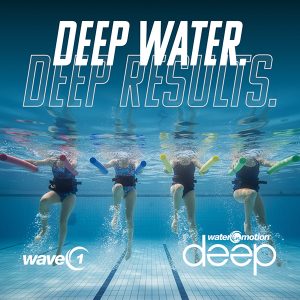 A lot of participants shy away from deep-end classes because they can’t swim or think they won’t get a great workout. But don’t worry! I provide flotation belts, so you don’t have to know how to swim. Once you try a deep water class, you’ll probably be surprised at how much you’ll enjoy it and how hard you’ll work.
Most of the classes that I offer in the shallow tank are dual-depth classes, meaning that you can choose where you place yourself in the pool. I also have dedicated deep water classes that are getting really popular. If you’re a fan of both, check out my classes that I switch the depth of the entire class.
I’ve compiled a comparison between the two workouts below to help you understand what you can expect when venturing into the shallow or deep ends of the pool!


The takeaway:
 Shallow water aerobics is a good introduction to water exercise, as the participant can control their movement a bit better with their feet touching the ground. It provides a low-impact workout, which is great for those who need gentler weight-bearing exercise to strengthen the muscles supporting their joints, improve bone density, and recover from injuries.
 - Deep water aerobics is fantastic for both beginners and advanced exercisers. It offers a no-impact workout that significantly engages the core and upper body. It can be high-intensity as long as you put in the work! It’s ideal for those seeking a more challenging aquatic experience and those with significant joint issues.
The best choice depends on your fitness level, water comfort, and specific fitness goals. You might even benefit from incorporating both types of water aerobics into your routine!
Special thanks to Fluid Fitness for publishing this article. You can view the original post here: The Difference Between Shallow and Deep Water Aerobics
by Teresa Sklenicka
Soft, tender Oil Free Vegan Donuts are a perfect treat for breakfast or snack time! These are made in minutes with easy ingredients, and are a healthier option for all donut lovers!
 As an Amazon Associate, I earn from qualifying purchases. This post may contain affiliate links.
When my daughters were growing up, I always celebrated the coming of fall with homemade donuts. This year fall came late, and I was thinking about how to celebrate it’s final arrival. Oil free donuts sounded great!
I was a little skeptical about how these would turn out. Would they be dry? Rubbery? Stick to the donut pan? When I told my daughter I was going to make them, she asked me how I was going to get them out of the pan. I wasn’t sure if they’d come out of the pan easily, but I decided to give it a try.
I’m happy to say, these oil free donuts turned out perfect!
If you’re looking for a donut option without all that oil, you’re definitely going to want to try this recipe! They are so soft and tender, lightly spiced, and perfectly sweetened. A much lighter donut option.
Now I wouldn’t call this a health food with the all purpose flour and sugar. But it’s so much healthier than the fat laden donuts from the doughnut shops or grocery stores. And we all deserve a sweet treat now and then.
These are so quick and easy, taking less than 30 minutes, you can enjoy donuts any time you want! And what’s better than a warm, fresh donut?
Ingredients
These donuts are made with simple ingredients, but taste heavenly! They’re so fresh and light!

- All purpose flour – for the lightest donuts, I chose to use unbleached all-purpose flour. If you are gluten free, I would recommend using a high quality 1:1 gluten free flour blend.
- Organic sugar – coconut sugar can also be used.
- Baking powder and Baking soda
- Salt
- Cinnamon and Nutmeg – for that classic baked donut flavor.
- Non-dairy milk – I prefer to use soy milk, but almond milk or oat milk should work just as well.
- Unsweetened applesauce
- Vanilla extract
- Apple cider vinegar
How to make
 These donuts are so simple to make. The only special equipment you need is a donut pan. I love the nonstick donut pans by Wilton. Silicone donut pans would also work well.
Whisk together the dry ingredients. Stir together the wet ingredients in a separate bowl.
Pour the wet ingredients into the dry ingredients, and stir together until combined.
Spoon or pipe the batter into donut pans.
Bake until lightly brown around the edges, about 11 minutes.
Remove from the pan and place on a cooling rack.
When the donuts are cool enough to handle, dip them into a cinnamon sugar mixture.
Special thanks to A Plantiful Path for publishing this article. You can view the original post here: Oil Free Vegan Donuts

About the Author: Teresa Sklenicka
I love creating plant based recipes! I have so much fun figuring out how to make vegan versions of all of our favorite foods! When my daughters were little I started researching how to help them avoid the health conditions that have affected both sides of their family. My research led me to a plant based lifestyle. I began adding vegetarian and vegan meals to our menu back in 2010, and went fully vegan in 2013. It was a fun challenge to learn how to create plant-based versions of the foods we loved.

Making Waves Through Aquatic Programming