
By Sara Kooperman, JD
As an aqua fitness instructor, your stage is as dynamic as the water itself—a wet and slippery pool deck that demands your full attention and precision. While your energy and creativity captivate your participants, your feet are doing the heavy lifting, navigating the challenges of cement decks, chlorinated environments, and non-stop movement. Enter water shoes: the unsung heroes of aqua fitness. They’re more than just footwear; they’re your partner in safety, comfort, and performance.
Let’s dive into why water shoes deserve a prime spot in your instructor arsenal and how they can help you make waves in every class.
-
 Grip the Deck Without Gripping Your Knees
Navigating a wet pool deck can feel like walking on thin ice—one wrong step, and you are part of the splash zone! Water shoes, with their non-slip soles, provide the traction you need to move confidently, whether you’re demonstrating lunges or pacing to encourage participants.
Caution: The same gripping power that keeps you steady can also stick during twisting movements, risking knee torque. Lift your feet slightly during turns to avoid strain and choose water shoes with flexible soles to support dynamic motion. With these precautions, you can move like a pro without worrying about losing your footing—or your knees!
- Cushion Your Step: Support for Every Bounce
Teaching aqua classes often involves mimicking water-based movements on a hard, unforgiving surface. Water shoes add a much-needed layer of cushioning to absorb impact and reduce strain on your knees, hips, and lower back. Whether you’re leading high-energy cardio or demonstrating a gentle stretch, the support provided by water shoes ensures your joints stay protected, letting you focus on keeping the energy flowing.
- Comfort That Lasts All Class
Standing and moving on a cement pool deck for hours can leave your feet feeling like soggy sponges. Modern water shoes are designed with lightweight, breathable materials that mold to your feet and dry quickly between classes. Their arch support and ergonomic fit keep your feet happy, so you can focus on leading your participants to their fitness goals instead of dreaming of a foot massage.
- Slay the Style Game
As an instructor, your appearance is part of your professional package. Water shoes have evolved far beyond the bulky, utilitarian designs of the past. With sleek, sporty looks and vibrant color options, today’s water shoes let you showcase your personal style while staying practical. Bonus: they reinforce your role as a safety-conscious leader, setting a great example for your class.
- Smooth Sailing Over Rough Decks
Pool decks might look pristine, but their surfaces can be rough enough to scrape or irritate bare feet. Plus, lurking puddles and debris add to the potential hazards. Water shoes protect your feet from abrasions, hot surfaces, and unexpected obstacles, ensuring that nothing slows you down.
- Hygiene First, Always
Between pool decks and locker rooms, your feet encounter environments that aren’t exactly pristine. Locker rooms, with their warm, damp environments, are particularly notorious breeding grounds for bacteria and fungi. Walking barefoot in these areas significantly increases the risk of infections like athlete’s foot or plantar warts.
Water shoes act as a shield, keeping your feet clean and safe. By covering your feet, you not only protect yourself but also model healthy habits for your participants. Clean, covered feet project an image of professionalism and care.
- Movement Made Easy
Water instructors are like performers on stage, demonstrating every move with precision and enthusiasm. Water shoes provide the stability you need to kick, jump, and pivot with confidence. Their snug fit and lightweight construction ensures that your movements remain smooth and seamless, whether you’re showing off a dynamic cardio drill or guiding participants through balance work.
-
 Durable and Dry in No Time
Made to thrive in wet environments, water shoes are your go-to for reliability and longevity. Unlike regular sneakers, which can deteriorate when exposed to water, water shoes are crafted with materials that resist damage from chlorine and frequent wear.
An added benefit is their quick-drying capability, ensuring they remain lightweight and comfortable even after prolonged exposure to water. This feature is especially valuable for instructors teaching back-to-back classes, allowing the shoes to be ready for use without prolonged drying times. With water shoes, you’re always ready for the next splash-filled session.
- Confidence That Makes Waves
Feeling prepared and secure in your footwear directly translates to how you lead your class. Water shoes give you the peace of mind to focus entirely on your participants, creating a high-energy and engaging experience. This confidence becomes contagious, inspiring your participants to push harder and enjoy the class even more.
- Lead By Example
As the leader of your aqua fitness class, your actions set the tone. When participants see you prioritizing safety with proper footwear, they’re more likely to follow suit. Encouraging your class to wear water shoes not only reduces their risk of slips and injuries but also enhances the overall safety and enjoyment of the session.
Choosing the Perfect Pair
When selecting water shoes, look for:
- Non-slip soles for stability on wet decks.
- Flexible construction to support twisting movements without risking knee strain.
- Cushioning to absorb impact and protect joints.
- Quick-drying materials to stay comfortable between classes.
- Durable design that stands up to chlorine and regular use.
Make a Splash, Stay Secure
Water shoes may not be the flashiest part of your gear, but they’re certainly one of the most important. They keep you safe on slippery decks, protect your feet, and enhance your ability to lead with confidence and flair. So, before you step onto that deck, slip into a pair of water shoes that will help you shine in every class. With the right pair, you’re not just making a splash—you’re creating waves of success.

About the Author: Sara Kooperman, JD
Sara Kooperman, JD, CEO of SCW Fitness Education, WATERinMOTION®, and S.E.A.T. Fitness , Founder of the MANIA® Convention, sits on the canfitpro Advisory Panel and the Gold’s Gym Think Tank and was a founding board member for the Women In Fitness Association (WIFA). Recently nominated for the IDEA Fitness Leader of the Year Award, Kooperman won the Most Innovating Fitness Pro by FIT-C (Fitness Industry Technology Council). Sara is the best-selling author of FIT FOR BUSINESS, an inductee into the National Fitness Hall of Fame, an Illinois State Businesswoman of the Year, esteemed panelist for multiple Webinars & Podcasts, and sits on the ACSM Communication & Public Information Committee.
AquaFitnessOnline.com
Aqua fitness classes have gained immense popularity due to their numerous health benefits and low-impact nature. As an instructor, your role goes beyond teaching movements; you create an engaging environment that fosters participant satisfaction and improved health outcomes. This article will explore various strategies that aqua fitness instructors can employ when planning and teaching classes, ensuring a rewarding experience for participants.
Understanding Your Participants
Assess Group and/or Individual Needs – Before planning any aqua fitness class, gather information about your participants. Understanding their fitness levels, health conditions, and personal goals helps tailor your classes effectively. Conducting pre-class assessments through questionnaires or informal conversations can provide insights into their unique needs. For instance, some may be focused on weight loss, while others might seek rehabilitation or general fitness.
 Create a Welcoming Environment – Ensuring participants feel comfortable is paramount. Foster a welcoming atmosphere by encouraging introductions and interaction. Establish a non-judgmental space where individuals of all fitness levels can feel safe to participate. Consider assigning partner exercises that promote camaraderie, allowing participants to bond and create a supportive community.
Class Structure and Planning
Set Clear Goals – Successful classes have clear objectives. Outline what you aim to achieve in each session, whether it’s enhancing cardiovascular endurance, building strength, or promoting flexibility. Clearly communicating these goals helps participants stay focused and motivated throughout the class.
Incorporate Variety and Equipment – Repetition can lead to boredom. To keep participants engaged, introduce a variety of exercises and techniques in your routines. Utilize different equipment like noodles, kickboards, or aqua dumbbells, and alternate between aerobic, strength, and flexibility activities. Consider themed classes (e.g., ‘Aqua Dance’ or ‘Aqua Boot Camp’) to maintain interest and enthusiasm.
Plan Progressions and Modifications – Recognizing that participants will have differing skill levels is essential. Ensure you have progressions for more experienced participants and modifications for beginners. This inclusivity enables everyone to work at their own pace while feeling challenged. For instance, offer progression options for squats or lunges—beginners may perform shallow movements, while advanced participants can engage in deeper dips.
Teaching Techniques
Use Clear and Effective Communication – Effective communication is essential in aqua fitness. Speak clearly and concisely, utilizing verbal and visual cues to guide participants through exercises. Consider demonstrating movements from the poolside beforehand, as visibility may be limited in the water. Reiterate important safety points regarding water depth and movement execution to prevent injuries.
Music, Rhythm and Timing – Aqua fitness is often choreographed to music, and the rhythm can significantly enhance the experience. Choose music that is motivating and aligns with the intensity of the workout. The right tempo can boost mood and energy levels, encouraging participants to push themselves harder while enjoying the process.
Emphasize Safety and Form – Safety should always be a priority. Remind participants to listen to their bodies and not push beyond their limits. Emphasize proper form to maximize the effectiveness of the exercises and minimize the risk of injury. Regularly circulate among participants to provide feedback and corrections, ensuring that everyone is maintaining correct posture and technique.
 Engaging Participants
Foster Group Dynamics – Building a community within your class can elevate the participant experience. Encourage team activities or partner work, which can help create relationships among participants. Recognize accomplishments, whether small or large, to reinforce a sense of belonging and promote continuous motivation.
Solicit Feedback – Regularly ask for feedback about the classes you conduct. This could be done through informal discussions or post-class surveys. Understanding what participants enjoy or wish to improve doesn’t just boost class quality; it also demonstrates that their opinions matter, fostering loyalty and engagement.
Integrate Education – Incorporate elements of education into your classes. Take moments to provide participants with knowledge about the benefits of various exercises, tips for nutrition, or information regarding the health outcomes of regular aqua fitness. This added value reinforces their commitment to the program and promotes healthier lifestyle choices outside the class.
Health Outcome Considerations
Highlight Health Benefits – Articulate the benefits of aqua fitness during your classes. Share information about how regular participation can improve cardiovascular health, enhance flexibility, alleviate joint pain, or aid in weight management. By highlighting these health outcomes, participants may feel more inspired to commit to their fitness journey.
Monitor Progress – Encourage participants to track their progress to recognize their improvements over time. You can suggest that they maintain a fitness journal, record personal bests, or use wearable technology to monitor their workouts. Monitoring progress not only boosts motivation but also helps participants set realistic and attainable goals.
Address Emotional Health – Recognize that physical fitness is intricately linked with mental health. Create an encouraging atmosphere where participants feel positive and uplifted. Consider incorporating elements of mindfulness, such as deep breathing or relaxation techniques at the end of a class. Acknowledging the dual impact of fitness on physical and mental well-being can enhance engagement and satisfaction.
Conclusion – An effective aqua fitness instructor holds the power to significantly impact the participant experience and health outcomes. By understanding individual needs, planning thoughtful and varied classes, employing effective teaching techniques, fostering an inclusive environment, and emphasizing health benefits, instructors can create a rewarding atmosphere that elevates both participant satisfaction and fitness results. As the demand for aqua fitness grows, focusing on these essential strategies will ensure that you not only teach effectively but also inspire lasting wellness in your participants.
Special thanks to Aqua Fitness Online for publishing this article. You can view the original post here: Enhancing the Aqua Fitness Experience: Strategies for Instructors.
November 14–16, 2025 | DoubleTree by Hilton, Danvers, MA
Grab your noodles, pack your suits, and get ready to make a splash — Boston MANIA® is back and wetter than ever! This year’s aquatic lineup is overflowing with inspiration, innovation, and good old-fashioned fun in the sun (well, indoor sun, anyway). If you live for the splash, teach with passion, and can’t resist the rhythm of the water, then this is the event you’ll want to float toward.
Where Aqua Pros Go to Flow
Picture this: 15 splash-packed pool sessions, each one brimming with new moves, tools, and techniques to send your classes swimming in excitement. Whether you’re looking to add some high-energy waves to your workouts, explore new equipment, or fine-tune your choreography, you’ll find plenty of ways to make a ripple in your aquatic programming.
Whether you’re chasing the perfect cardio splash, deep-water endurance challenge, or resistance training twist, Boston MANIA® is the ultimate current of inspiration. You’ll swim away with refreshed routines, new tools, and the confidence to wow your “pool peeps” all season long.
 Fill Your Toolbox to the Brim
Your certification game is about to float to the top! Thirteen nationally recognized certifications are offered throughout the weekend, helping you expand your credentials and take your career to the next level. From Aqua Yoga to Active Aging, from personal training to specialty formats, you’ll find the perfect course to fit your goals — all taught by the best in the business.
These certifications aren’t just paper — they’re power. Each one adds value to your teaching and opens new opportunities to grow your aquatic career.
Can’t Be in Two Pools at Once? No Problem!
We get it — with over 200 workshops and a sea of sessions to choose from, it’s tough to be everywhere at once. That’s why session recordings are available! Whether you’re soaking up knowledge in person or replaying your favorite sessions from home, you’ll have the flexibility to catch every wave of wisdom.
Network, Learn, and Splash Together
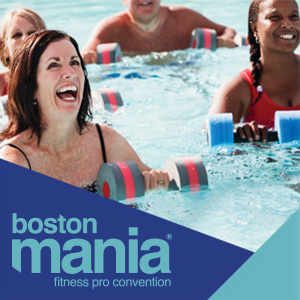 Boston MANIA® is more than just a conference — it’s a community. Meet other aquatic pros who share your passion for fitness and fun. Swap stories, share ideas, and soak up the electric energy that happens when the industry’s best gather under one roof.
Between sessions, explore the Expo, mingle with presenters, and discover products that’ll take your teaching to the next level. It’s part education, part inspiration, and part pool-party-meets-professional-development — the perfect mix for a weekend to remember.
Don’t Let This Wave Pass You By
Registration starts at just $159, and you can save $60 with code EARLYBIRD — but don’t wait! That deal will float away before you know it.
This is the final in-person SCW MANIA® of 2025, and you won’t want to miss it. Join us at the DoubleTree by Hilton in Danvers, MA, for three unforgettable days of education, energy, and excitement.
So, grab your swimsuit, your smile, and your sense of adventure — it’s time to dive into Boston MANIA®, where the wet and wild come to play, learn, and lead.
By Elizabeth Klodas, MD
September is Cholesterol Awareness Month, and it’s a good time to set the record straight. Few topics in medicine spark more confusion than cholesterol. Some people dismiss it as a myth, others believe it’s the sole cause of heart disease.
The truth lies in between. Cholesterol is real, it matters, and the way we understand it can have a profound impact on cardiometabolic health.
 Myth 1: All cholesterol is bad
Cholesterol itself isn’t harmful. In fact, your body needs it to build cell membranes, produce hormones, and aid in digestion. What matters most isn’t whether cholesterol is present, but how it’s carried in your bloodstream.
LDL (low-density lipoprotein) cholesterol can contribute to plaque buildup in arteries if levels are too high.
HDL (high-density lipoprotein) cholesterol helps remove excess cholesterol from the bloodstream.
Although the balance matters, your LDL level is probably the most important value when it comes to avoiding heart disease. The lower your LDL, the lower your risk for cardiovascular events. In fact, data from multiple randomized controlled trials show that populations with lower LDL levels consistently experience fewer cardiovascular events.
Myth 2: Cholesterol is a “myth”
At Step One, I sometimes hear from people who insist cholesterol doesn’t matter, or worse, that it isn’t even “real.” Nothing could be further from the truth. High cholesterol is one of the most extensively studied risk factors for cardiovascular disease, with incredibly consistent results: lower LDL levels translate to better outcomes, no matter how you get there—through medications, diet, or favorable genetics.
There are even rare individuals who are genetically unable to make PCSK9, the enzyme that slows LDL receptor activity. Their LDL levels hover around 30 mg/dL for life. And they almost never get cardiovascular disease. That’s not myth—that’s biology.
Myth 3: Dietary cholesterol is the main cause of high cholesterol
For years, foods like eggs and shellfish were villainized for raising cholesterol. But dietary cholesterol has much less impact on blood cholesterol than most people think. Your liver produces the majority of cholesterol circulating in your body. What influences blood cholesterol more strongly is the type of fat (and types of carbohydrates) you eat.
Saturated and trans fats can raise LDL cholesterol. These fats are all solid at room temperature and include butter, cheese, the marbling in beef, the fat in chicken, coconut oil and all hydrogenated fats.
Unsaturated fats (found in foods like nuts, seeds, and olive oil) are liquid at room temperature and can help improve cholesterol levels.
The bigger picture: food has the power to harm and the power to heal. Poor nutrition doesn’t just raise LDL—it also drives up blood pressure, blood sugar, weight, and inflammation. Eat right, and you improve all of these risk factors at the same time.
 Myth 4: Cholesterol is the only thing that matters
Cholesterol is important, but it isn’t the only player. Cardiovascular disease is multifactorial. High blood pressure, diabetes, smoking, chronic inflammation, and genetics all layer on top of cholesterol to influence risk. Even with high LDL, some people may avoid disease, while others with normal levels may still experience events.
This is why reductionist thinking—blaming everything on a single risk factor—misses the mark. Cholesterol matters, but so do the other pieces of the puzzle.
Myth 5: Medication is the only solution
Statins and other cholesterol-lowering drugs can be transformative for some people. But they’re also an incomplete solution, because they only target one factor. If you lower cholesterol through medication but ignore blood sugar, blood pressure, weight, or inflammation, your risk remains elevated.
Nutrition, on the other hand, is comprehensive. Eat poorly, and you worsen multiple risk factors at once. Eat well, and you lower LDL, improve blood pressure, stabilize blood sugar, reduce inflammation, and support healthy weight—all in one step.
The bottom line
Cholesterol is not a myth. It’s a proven, powerful risk factor for disease. But it’s also not the only one, and it shouldn’t be viewed in isolation. The good news is that food gives us an opportunity to improve cholesterol while simultaneously improving overall cardiometabolic health.
At Step One Foods, we’ve made it easier to take control of your nutrition with convenient options proven to help support cholesterol management.
Special thanks to Step One Foods for publishing this article. You can view the original post here: Understanding Cholesterol: What Everyone Gets Wrong
Aquatic exercise is renowned for its low-impact benefits, making it an excellent choice for individuals of all ages and fitness levels, especially those seeking to build strength without stressing their joints. For years, water-based workouts relied on simple movements against the water’s natural resistance, noodles, and aqua dumbbells. However, a new generation of equipment is revolutionizing this field, offering more dynamic and effective training. This innovative drag resistance tool, is a prime example of this evolution, providing a unique way to intensify water-based strength training and cardiovascular exercise.
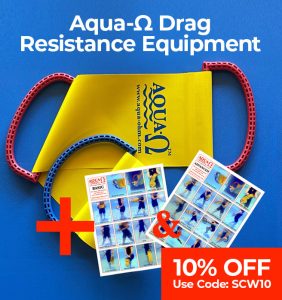 The secret lies in the principle of drag resistance. Unlike noodles or buoyancy weights, which only challenge the muscles on the downward or forward motion, this unique, portable piece of equipment uses the natural drag of water to provide resistance throughout the entire movement. The device, which does not stretch, creates an adjustable, constant push-back from the water, forcing your muscles to work in both directions. This creates a comprehensive workout that strengthens the muscles on both sides of a joint, promoting better muscle balance and overall stability.
Curious? Want more key benefits? Let’s dive into more action about Aqua-Ohm! The biggest plus is its versatility. It can be used for a wide range of exercises targeting the arms, legs, and core in both shallow and deep water. In shallow water, users can maintain proper postural alignment with the help of the pool floor, which can also aid in bone density improvement. In deep water, the core is challenged even further to maintain stability and balance. The intensity of the workout can be easily adjusted by shortening or lengthening the device, or by simply changing the speed of your movements. Moving slower will decrease the resistance, while speeding up your movements will increase the challenge.
The Aqua-Ohm is also designed to be highly accessible for a diverse group of users. It is beneficial for a wide range of individuals, from those recovering from an injury to elite athletes looking for a new challenge. The gentle, yet effective, resistance makes it ideal for managing conditions like arthritis, where joint pain can be a barrier to exercise. The equipment is also lightweight and portable, making it easy to store and transport.
 For aquatic fitness instructors, the Aqua-Ohm provides a powerful tool for creating dynamic and engaging classes. Looking to experience this unique drag equipment? It is being showcased at the upcoming SCW Boston MANIA®, a 3-day professional fitness convention taking place November 14-16, 2025, at the DoubleTree by Hilton in Danvers, MA. Multiple sessions offer hands-on experience with Aqua-Ohm, demonstrating how it can be integrated into various class formats, including interval training, muscle conditioning, and stretching routines. Its ability to provide adjustable resistance makes it simple to accommodate participants with different fitness levels within the same class, offering a “one size fits all” solution for a diverse group of students.
The Aqua-Ohm is more than just a piece of equipment; it represents a comprehensive approach to aquatic exercise. By harnessing the power of water’s natural resistance, it offers an efficient and safe way to build strength, improve cardiovascular fitness, and enhance overall well-being. Whether you are a beginner taking your first steps in the pool or a seasoned athlete, the Aqua-Ohm provides a new dimension to water workouts, helping you achieve your fitness goals with a simple yet effective tool. To learn more and purchase Aqua-Ohm, visit the website and social media. www.aqua-ohm.com, Instagram: @aquaohm, Facebook: Aqua-Ohm

About the Author: Irene Pluim Mentz, PT, ATRIC
Irene Pluim Mentz, PT, ATRIC, is a licensed physical therapist from the Netherlands and co-owner of One Step Beyond, Inc. Physical Therapy. Her passion for water therapy led her to earn certifications from the Aquatic Exercise Association (AEA) and the Aquatic Therapy and Rehab Institute (ATRI). Irene integrates hydro-dynamics into her physical therapy practice and is the inventor of the Aqua-Ω, an innovative adjustable drag resistance water exercise tool.
After a splash-tastic session, your body deserves a warm, nourishing reward! These healthy fall-inspired bites are perfect for post-pool recovery — packed with protein, fiber, and seasonal flavor.
Let SCW know what you think by posting pictures on our social media. https://linktr.ee/scwmania
Got some fun recipes? We’d love to share them. Send them to editor@scwfit.com. Lastly, take some time for yourself – enjoy the cooler temps and falling leaves!
🥣 Pumpkin Protein Smoothie – Blend pumpkin purée, banana, and vanilla protein for a creamy recovery drink that screams autumn.
Why it’s great: Replenishes glycogen and supports muscle repair.
Ingredients:
- 1 cup unsweetened almond milk
- ½ cup pumpkin purée
- 1 scoop vanilla protein powder
- ½ banana
- ½ tsp cinnamon + nutmeg
- 1 tsp honey (optional)
Blend until smooth and enjoy chilled.
🥗 Harvest Quinoa Bowl – Toss roasted sweet potatoes, quinoa, and chickpeas with a touch of apple cider vinegar for a hearty, balanced meal.
Why it’s great: Balanced mix of carbs, protein, and antioxidants.
Ingredients:
- 1 cup cooked quinoa
- ½ cup roasted sweet potato
- ¼ cup chickpeas
- ¼ cup chopped kale
- 1 tbsp pumpkin seeds
- Light drizzle of olive oil + apple cider vinegar
Toss together warm or cold for a satisfying post-swim meal.
🍎 Apple Cinnamon Overnight Oats – Prep ahead for early swims! Combine oats, yogurt, milk, and diced apples for grab-and-go fuel.
 Why it’s great: Ideal for early-morning swimmers — ready when you are!
Ingredients:
- ½ cup oats
- ½ cup Greek yogurt
- ½ cup milk of choice
- ½ apple, diced
- ½ tsp cinnamon
Refrigerate overnight, then top with walnuts or chia seeds.
🍫 Dark Chocolate Pumpkin Energy Bites – Mix pumpkin, oats, and almond butter for sweet, snackable energy balls that travel well.
Why it’s great: Quick grab-and-go recovery snack.
Ingredients:
- 1 cup oats
- ½ cup pumpkin purée
- ¼ cup almond butter
- 2 tbsp dark chocolate chips
- 1 tbsp flaxseed
Mix, roll, and chill — easy energy for post-aqua workouts!
Fuel your fall workouts with flavor, function, and a splash of seasonal fun! 🌊🍁

Why Water Shoes Are a Splashing Success: Keeping Aqua Instructors Safe, Stylish, and Steady