

Rebuilding the Standard: A Call for Quality in Group Fitness Education
By Gail Bannister-Munn
A quiet crisis is growing in the group fitness world. Directors, educators, and longtime leaders are seeing it clearly: the quality of new instructors is declining. This isn’t just a matter of inexperience—it’s a lack of foundational knowledge, coaching skills, and accountability. A generation of instructors is entering the industry influenced more by social media trends than true education and training.
Entertainment is replacing expertise. In formats like indoor cycling, the class has become more performance than programming. Instructors wave dumbbells, bounce in the saddle, and perform choreographed routines that blur the lines between safe movement and spectacle. These classes may attract attention online and draw cheers from members—but flash can’t replace fundamentals.
 This pattern extends beyond the bike. Pilates Reformer classes have morphed into choreography-focused sessions that ignore proper alignment and flow. Step classes are driven by BPMs instead of biomechanics. Even Zumba, once a movement revolution, is too often reduced to disjointed motion without clear instruction or purpose. The core of group fitness—programming, cueing, and coaching—is being lost.
Virtual certifications have changed the game—and not for the better. The shift toward online training was necessary, but it’s now creating disengaged, underprepared instructors. Many complete certifications without ever asking a question, turning on a camera, or demonstrating skills. Courses have become boxes to check, not opportunities to learn. The result is a wave of professionals who can imitate but not lead.
Auditions used to be full of promise. Facilities once hosted mass auditions with 25 to 50 passionate candidates, eager to grow and compete for opportunities. Today, that energy is gone. Inquiries are rare. Most new applicants lack valid certifications, real coaching knowledge, or the mindset to develop. The pipeline of talent has dried up.
There is a way forward. The industry must recommit to real education. That means bringing back live training, hands-on mentorship, and face-to-face coaching. It means raising—not lowering—the bar for instructor expectations. It means resisting the temptation to chase trends and instead focusing on sustainable skills that serve members safely and effectively.
Auditions can evolve into development opportunities. Rather than turning away unprepared applicants, clubs can use auditions to spot potential and guide growth. Connect new instructors with experienced mentors. Coach them. Encourage them. Build up the next generation instead of settling for what’s easy or flashy.
This is about more than trends. It’s about protecting member safety, preserving the reputation of group fitness, and rebuilding an industry that was built on skill, substance, and service. The time to course-correct is now.
Let’s bring back the basics. Let’s create leaders, not followers. Let’s fight for real education and raise the standard—together. We’ve spent decades fighting for quality fitness programming, and we cannot let it drift away from what it was built on, …. skill, substance, and service.

About the Author: Gail Bannister-Munn
Gail is the Flexibility Specialist and Core, Yoga, and Pilates Coach for the New York Jets. She owns The Bannister Method Studio in West Babylon, NY, and serves as Regional Group Ex Manager for six Crunch Fitness locations in New York City. Gail consults for professional athletes in the NBA, NFL, NHL, and MLB and teaches nationally. She holds multiple certifications, including NASM, AFAA, FST L3, Thai Massage, and YogaFit 500+ hours, and is a NASM and AFAA Continuing Education Provider.

Planning for Your Future as a Fitness Teacher and Trainer
By Sara Kooperman, JD
A career as a fitness professional is rewarding, but it requires thoughtful planning to ensure long-term success and financial security. Whether you’re a group fitness instructor, personal trainer, or wellness coach, taking proactive steps to manage your business, finances, and career trajectory is essential. Here’s how you can build a sustainable, thriving future in the fitness industry.
 1. Define Your Long-Term Career Goals
The fitness industry offers various career paths, and defining your long-term goals can help you stay focused and motivated. Consider the following questions:
- Do you want to specialize in training a particular demographic (e.g., seniors, athletes, or special populations)?
- Are you interested in owning a fitness studio or gym?
- Would you like to transition into fitness education or mentorship?
- Do you want to create passive income through online programs, courses, or digital content?
Having a clear vision allows you to map out the steps needed to achieve your goals and adjust your career accordingly.
2. Build Multiple Revenue Streams
Relying solely on in-person training sessions or group fitness classes can limit your income potential. Expanding your revenue streams ensures financial stability and helps you grow your business. Consider these additional income opportunities:
- Online Coaching and Programs– Offer virtual personal training or fitness challenges.
- Membership-Based Content– Create subscription-based access to exclusive workout videos or meal plans.
- Workshops and Certifications– Host live or recorded educational sessions for other trainers.
- Corporate Wellness Programs– Partner with companies to provide fitness and wellness initiatives.
- Merchandising– Sell branded fitness gear, supplements, or e-books.
- Affiliate Marketing– Promote products and services you trust and earn commissions.
Diversifying your income allows you to continue generating revenue even when you’re not actively teaching or training clients.
3. Manage Your Finances Wisely
Fitness professionals often experience fluctuating income, so careful financial planning is crucial. Here are essential steps to keep your finances in check:
- Create a Budget– Track income and expenses to ensure financial stability.
- Save for Emergencies– Aim for at least three to six months’ worth of expenses in an emergency fund.
- Set Up Retirement Savings– Consider opening an IRA, 401(k), or other tax-advantaged retirement accounts.
- Invest in Insurance– Protect yourself with liability insurance and consider health, disability, and business insurance.
- Track Taxes and Deductions– Keep records of business-related expenses to maximize deductions and minimize tax liability.
By proactively managing your finances, you’ll be in a stronger position to weather industry changes and unexpected challenges.
 4. Continue Your Education and Certifications
The fitness industry is constantly evolving, and staying ahead means continuing your education. Maintaining and expanding your certifications keeps you competitive and allows you to offer new services. Consider:
- Obtaining advanced certifications in areas such as corrective exercise, nutrition, or senior fitness.
- Attending industry conferences, workshops, and networking events.
- Enrolling in business or marketing courses to enhance your entrepreneurial skills.
- Staying informed on emerging fitness trends and scientific research.
Ongoing education not only improves your expertise but also increases your earning potential.
5. Develop Strong Client Relationships
Building and maintaining strong relationships with clients is essential for career longevity. Loyal clients provide consistent income and valuable referrals. Ways to enhance client retention include:
- Providing personalized fitness plans tailored to their goals and needs.
- Offering exceptional customer service and communication.
- Creating a supportive and motivational environment.
- Encouraging accountability through check-ins, progress tracking, and goal setting.
- Offering referral incentives or discounts for long-term commitments.
A satisfied client base leads to a steady stream of business and a strong professional reputation.
6. Establish a Personal Brand
Your brand is what sets you apart from other fitness professionals. A well-defined brand increases your visibility and helps attract your ideal clients. Key elements of personal branding include:
- A Professional Website– Showcase your services, testimonials, and expertise.
- Social Media Presence– Share valuable content, engage with your audience, and build a community.
- Consistent Messaging– Ensure your branding (logo, colors, tone) is cohesive across all platforms.
- Content Creation– Provide educational videos, blogs, or podcasts that position you as an industry expert.
A strong personal brand builds credibility and expands your opportunities in the fitness industry.
7. Utilize Technology and Automation
Leveraging technology can help streamline your business and improve efficiency. Consider using:
- Scheduling Software– Automate client bookings and reminders.
- Online Payment Systems– Simplify invoicing and payment collection.
- Fitness Apps– Use tracking and coaching apps to enhance client engagement.
- Marketing Automation– Schedule emails, social media posts, and promotions in advance.
Technology not only saves time but also enhances the client experience and improves business operations.
8. Network and Collaborate
Connecting with other fitness professionals, industry leaders, and businesses can open new doors. Opportunities for networking and collaboration include:
- Partnering with local gyms, wellness centers, or chiropractors for referrals.
- Collaborating with other trainers to host events, workshops, or online courses.
- Engaging in fitness communities and social media groups to share insights and gain exposure.
- Seeking mentorship from experienced professionals who can offer guidance and support.
Building a strong network can lead to career growth, new business ventures, and increased visibility.
9. Plan for Career Longevity
Fitness is a physically demanding career, so it’s important to plan for longevity. Strategies to maintain health and career sustainability include:
- Prioritizing self-care, proper nutrition, and recovery to prevent burnout and injuries.
- Diversifying services to reduce the physical strain of in-person training.
- Transitioning into coaching, speaking engagements, or online training as an alternative to high-impact instruction.
- Setting long-term financial and retirement goals to ensure a smooth transition when the time comes.
Proactive planning allows you to continue working in the industry without compromising your well-being.
Conclusion
A career as a fitness teacher or trainer is fulfilling, but long-term success requires strategic planning. By setting clear career goals, diversifying income, managing finances, continuing education, and leveraging technology, you can build a sustainable and thriving future. Investing in your professional growth today ensures a rewarding and secure career for years to come. Stay adaptable, stay informed, and take charge of your future in fitness.

About the Author: Sara Kooperman, JD
Sara Kooperman, JD, CEO of SCW Fitness Education, WATERinMOTION®, and S.E.A.T. Fitness , Founder of the MANIA® Convention, sits on the canfitpro Advisory Panel and the Gold’s Gym Think Tank and was a founding board member for the Women In Fitness Association (WIFA). Recently nominated for the IDEA Fitness Leader of the Year Award, Kooperman won the Most Innovating Fitness Pro by FIT-C (Fitness Industry Technology Council). Sara is the best-selling author of FIT FOR BUSINESS, an inductee into the National Fitness Hall of Fame, an Illinois State Businesswoman of the Year, esteemed panelist for multiple Webinars & Podcasts, and sits on the ACSM Communication & Public Information Committee.
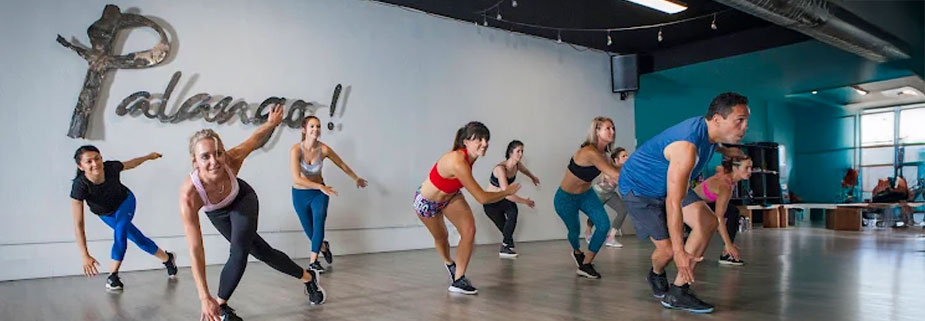
PALANGO Fitness: Empowering the Next Generation of Trainers with Passion and Purpose
In a fitness industry often dominated by complex jargon and intimidating credentials, PALANGO Fitness emerges as a breath of fresh air. This isn’t just another certification mill; it’s a mission-driven movement founded on the core belief that everyone—regardless of their starting point—deserves the opportunity to transform lives through fitness. For aspiring trainers looking for a positive, supportive, and practical entry into the profession, PALANGO Fitness offers a uniquely compelling pathway.
Here’s a look at the qualities that set this organization apart.
A Foundation of Authentic Transformation
The most powerful story any fitness professional can tell is their own. PALANGO Fitness is built on the incredibly relatable journey of its founder, Felix Ojeda. He found fitness as a tool for his own personal transformation, moving from a place of being “out of shape and unmotivated” to building a successful business.
This authenticity is PALANGO’s greatest strength. It creates a profound empathy and understanding for beginners. The program is designed by someone who has been in their shoes, ensuring the curriculum is free of unnecessary intimidation and full of practical, actionable guidance. Students are assured they are learning from real-world experience, not just textbook theory.
 An Unwavering Mission to Demystify Fitness
PALANGO’s mission is accessibility and empowerment. They actively work to break down barriers that prevent people from entering the fitness world, both as clients and as trainers. This philosophy is woven into every aspect of their certification:
Beginner-Friendly: Proudly welcoming those with “NO EXPERIENCE,” positioning itself as an inclusive launchpad rather than an exclusive gatekeeper.
Practical Learning: Complex concepts like anatomy and physiology are translated into simple, usable knowledge, ensuring new trainers can confidently apply what they learn immediately.
Community Focus: Students aren’t just buying a course; they’re joining a network of like-minded individuals focused on positive change.
A Holistic and Business-Savvy Curriculum
Unlike many entry-level certifications that focus only on exercise science, PALANGO prepares trainers for the realities of running a business. The curriculum balances two critical pillars:
The Science: Program design, client assessment, and nutrition fundamentals to ensure trainers coach safely and effectively.
The Business: Essential training on marketing, branding, and client acquisition so graduates can generate income and build sustainable careers.
Accessibility and Transparency
PALANGO Fitness removes financial and logistical barriers that keep many from pursuing a career in fitness:
Affordability: A cost-effective alternative to pricier certifications.
All-Inclusive Pricing: Fees include study materials, the exam, and certification—no hidden costs.
Flexibility: Fully online and self-paced, making it ideal for people balancing work, family, or other commitments.
 Built for the Modern Fitness Entrepreneur
The fitness industry is evolving, with more trainers building independent careers online or in small studios. PALANGO aligns perfectly with this shift, offering a launchpad for:
Online Coaches building remote businesses.
Independent Trainers creating private studios or working one-on-one.
Passionate Side-Hustlers turning fitness into a rewarding part-time career.
A Positive Force in Fitness Education
PALANGO Fitness may not be the traditional path, but it is a powerful one. It celebrates the beginner, champions accessibility, and equips students with the practical knowledge and business skills to thrive. For those who are passionate, motivated, and dream of building a career on their own terms—empowering others through their personal journey of transformation—PALANGO Fitness offers more than just a certificate. It offers a community, a mindset, and a purpose-driven launchpad for success.
 Felix Ojeda, born in Venezuela, was a national athlete in baseball, track, and basketball with a passion for Latin dance. After earning degrees in accounting, finance, and management, he transitioned from a successful finance career to fitness. In 2010, he founded Palango! Fitness, a dynamic program blending dance, movement, and athleticism. Felix’s journey fuses sports, business, and his passion for helping others live healthier lives.
Narcissism. What Fitness Professionals Need to Know.
By Lori Ann Roland LPC, LCADC & Christine Conti M.Ed.
Let’s discuss the relationship between narcissism and the fitness world and examine why those working in this demographic need to identify and be aware of narcissistic behaviors not only in themselves but others:
Some may assume that one who chooses a career where working on your physique and “looking the part” is narcissistic in itself’ however most instructors and trainers that I know are not competing with anyone but themselves; in addition, they have an inherent desire to bring out the very best in their clients.
Narcissists NEVER want the best for others! The covert narcissist is jealous and is not happy when others succeed! Whereby those in the fitness industry are THRILLED to watch their clients meet their goals!
Instructors DO place a lot of emphasis on their physique, it can be said that their physique and appearance “sells itself,” let’s be honest here if you were looking to take a class, would you prefer an instructor who was in shape? Or one who did not physically appear to be in shape? Most people would ABSOLUTELY opt for an instructor who embodied a healthy physique!
I said what I said so don’t shoot the messenger. There lies the double-edged sword and stigma…. Are instructors and trainers narcissistic because they are focused on their physique for a living or are they caring individuals who truly are in it to help others achieve their goals?
 The answer is that they are BOTH! In ANY profession, there are those who are severe on the narcissistic spectrum and others who fall into the range of healthy narcissistic traits. Certain professions, like law enforcement, are said to draw narcissists to them because of the perception of having power. While this may be true, I have worked with some very kind and authentic individuals in law enforcement over the course of my career.
So, what can one do if you believe you have encountered a personality-disordered individual possessing narcissistic traits that appear to be far along on the spectrum? For starters, TALK with someone, preferably someone like a therapist who can provide education and insight into the disorder and one who has a niche area specializing in narcissistic abuse. In addition, setting firm boundaries, minimizing contact with the individual(s) and learning techniques such as “grey rocking” can be very helpful, especially if you are being GASLIT.
Find people who are authentic and surround yourself with them. Create distance when possible. If you feel you need additional support, find a mental health provider who is experienced in personality disorders, emotionally immature personality types and narcissism/narcissistic abuse. As a fitness professional, education is power when it comes to best helping yourself and your clients live a happier and healthier life.
 About the Author: Lori Ann Roland, LPC, LCADC
Lori is a Licensed Professional Counselor and a Licensed Clinical Alcohol & Drug Counselor with over 20 years in the field specializing in narcissistic abuse, trauma and addictions. Find tons of free resources about all aspects of mental health on her website. https://loriannroland.com
About the Author: Lori Ann Roland, LPC, LCADC
Lori is a Licensed Professional Counselor and a Licensed Clinical Alcohol & Drug Counselor with over 20 years in the field specializing in narcissistic abuse, trauma and addictions. Find tons of free resources about all aspects of mental health on her website. https://loriannroland.com
 About the Author: Christine Conti
Christine is an international fitness educator, chronic disease specialist and IDEA World 2023 Fitness Professional of the Year. She is the CEO of FITFIXNOW, founder of CONTI Fitness, and COO of Reinventing the Woman International. She is a best-selling author, podcaster, business coach, 4x IRONMAN and serves as a triathlon guide for the Special Olympics. www.ContiFit.com

GLP-1 and Strength Training
By Brandon Hyatt, MS, CSCS, NFPT-CPT, NASM-CES, BRM, PPSC
GLP-1 medications are effective weight-loss drugs that have become well-known and accessible recently. They can yield 15%–20% weight reductions in adults, previously only possible after bariatric surgery. The effects of GLP-1s increase postprandial insulin secretion from pancreatic β-cells, suppress glucagon secretion from α-cells, slow gastric emptying, and reduce appetite.
As much of a “miracle weight-loss drug,” as the media has made it out to be, it is intended to be used in adjunct to lifestyle interventions to be successful.
If your clients are taking this drug or previously took it, exercise should be an essential variable to include. Let’s look at some of the reasons why exercise, primarily via resistance training, is crucial for losing the most weight while on GLP-1 and reducing weight regain when off of it.
 Exercise preserves muscle loss in caloric deficits
Being in a caloric deficit alone can result in 10%-30%, even 40% in some cases, of the weight lost from muscle mass. Usually, the heavier the person, the greater the percentage of weight lost comes from fat.
Any muscle loss can be detrimental, as it is metabolically active and contributes to many physiological processes. Some studies show that GLP-1 use without exercise leads to similar lean muscle mass loss patterns compared to medication-free weight loss.
Yet, other studies show a muscle atrophy-protecting effect. However, studies showing a muscle-loss-protecting effect were done on mice and measured for muscle in ways that differed significantly from those in humans. Furthermore, the human subject trials varied in length and dose, which makes it hard to conclude that GLP-1 use prevents muscle loss while losing fat at this time, and we don’t know if exercise was a variable controlled for.
GLP-1 users must exercise
If your client is on a GLP-1, wouldn’t you want to do everything possible to leverage its effectiveness and help them lose the most weight while on it? How does exercise influence weight loss outcomes in those who are on GLP-1? One recent randomized control trial split participants into an exercise group, a GLP-1 group and a combined group.
The results showed that the combined group, which did 150 minutes of cardio a week, lost 6.1% in abdominal fat. The exercise group lost 2.6%, and the GLP-1 group lost 2.8%. When exercise is leveraged with GLP-1, the weight loss effect is more substantial, leading to a lower risk of type 2 diabetes and cardiovascular disease. Interestingly, GLP-1 alone was only marginally better than 150 minutes of weekly cardio.
These results show that even cardio training has a muscle-protective effect compared to no exercise. However, strength training is much better at preserving muscle. This shows that some activities are better than none. Similarly to non-GLP-1 patients, combined strength and cardio training are more effective for weight loss than strength or cardio alone.
Most available studies on exercise and GLP-1s used only cardio-based training and didn’t use any out-of-the-ordinary guidelines. Most used the basic “150 minutes per week at moderate intensity” guideline. Future research should investigate the best exercise types while on GLP-1.
In sum, many studies show that combined exercise and GLP-1 produce the best results during and after discontinuation of use.
Exercise maintains weight loss after GLP-1 deprescription
In 2025, some insurance companies are updating the rules to narrow the qualifications for being prescribed the drug. Some are raising the BMI threshold and requiring diabetes as a prerequisite. This will lead to many people losing access to the medication and back to square one: weight loss through lifestyle change alone. This is where fitness professionals will play a pivotal role.
 One study concluded that two-thirds of the weight loss was regained after one year off GLP-1. Other studies show that weight regain after GLP-1 use is common. Only some people can use GLP-1 for the long term, so what if an established exercise routine during GLP-1 use could result in maintained weight loss?
A study investigated whether weight loss was sustained better one year after termination of a GLP-1, supervised exercise program, or combined for one year.
In that study, participants who received supervised exercise instruction maintained a weight loss of at least 10% of initial body weight one year after treatment termination compared with those who received liraglutide alone or placebo. Weight regain during the one-year post-treatment phase was 6 kg larger for participants who had previously received liraglutide alone than participants who had previously received supervised exercise alone, despite similar initial weight loss.
These results show that adding supervised exercise during GLP-1 use improves weight loss maintenance after treatment termination. Other randomized control trials show similar results, too, with the best results coming from supervised exercise exceeding the 150-minute/week guideline.
Fitness professionals can use these research findings to share with their clients, when appropriate, to highlight the importance of exercise, especially strength training, while on and off GLP-1s.
Exercise can improve self-perception of good health
Taking medication may reinforce the belief of being unwell. Research shows that seeing one’s health as poor is closely related to a higher prevalence of chronic diseases, mortality, depression and hospital visits. This belief can also lead to decreased activity and healthy eating, triggering a spiraling downward slope.
In one study, treatment with GLP-1 and a placebo significantly reduced health perception. On the flip side, adding exercise to the GLP-1 did not lead to decreased health perception, with exercise groups maintaining their initial improvement in well-being after the first weight-loss maintenance phase.
Through increased self-efficacy, exercises protect against poor health perception that can accompany the use of GLP-1s.
Conclusion
Much research has emerged in the last five years, but more is needed to guide the required lifestyle changes. However, changes in access are on the way, and weight-loss clients can be sent back to fitness professionals.
Fitness professionals can expect many new clients from this population as insurance rules change, sending patients back to lifestyle-only interventions to maintain weight loss. Fitness professionals play a key role in the outcomes of GLP-1 users to guide and encourage exercise. It is also intended to be used with GLP-1, leading to much higher weight loss rates. Weight maintenance is the hardest part, however, and exercise has been shown to prevent weight regain after discontinued use of the drug.
On a psychological note, exercise increases self-efficacy and prevents feeling unhealthy, which is all too common a false belief many people have. As more exercise guidelines for using a GLP-1 are updated from the research, fitness professionals should treat GLP-1 users similarly to weight loss clients.
Fitness professionals can utilize standard weight loss guidelines, such as 150 or more minutes a week of moderate-intensity cardio and, very importantly, at least two resistance training sessions a week. Even two weekly sessions of fifteen-minute-long strength training circuits have a powerful effect. Let’s get the GLP-1 population strong so they can have the best outcomes possible!
Special thanks to PFP (Personal Fitness Professional) for publishing this article. You can view the original post here: GLP-1 and Strength Training: What You Need to Know.
 About the Author: Brandon Hyatt, MS, CSCS, NFPT-CPT, NASM-CES, BRM, PPSC
Brandon is an experienced leader, educator, and personal trainer with over 7 years of success in building high-performing fitness teams, facilities and clients. He aspires to become a kinesiology professor while continuing to grow as a professional fitness writer and inspiring speaker, sharing his expertise and passion. He has a master’s degree in kinesiology from Point Loma Nazarene University. His mission is to impact countless people by empowering and leading them in their fitness journey.

Sedentary Living: The New Smoking
By Master Phil Ross
Inactivity is the new smoking. The data garnered from the most recent studies certainly indicate this as fact. According to the latest information, as with smoking, people who observe a sedentary lifestyle makes them twice as likely to develop coronary heart disease, otherwise known as CHD. Smoking, inactivity, and poor nutrition are the leading preventable causes of CHD as far as the behavioral contributing risk factors are concerned. There is not much that one can do in regard to their genetic makeup, heredity is what it is. The environment that you live in is also a contributing factor, but one may not have control over where they reside. However, as an adult, what you put into your body and your level of activity are controlled by you.
 Over the past 30 years, our country has experienced an epidemic in obesity. As of this moment, more than 2/3rds of American Adults are overweight. Studies reveal that 65 percent of Americans are overweight and that 37.7 percent are obese, with women over the age of 60 having the highest level with a score of 43.2 percent. A percentage point here or there makes very little difference in the big picture. Obesity is a growing issue, pun intended.
Why is this so unhealthy? How come people shouldn’t simply sit around and eat themselves into oblivion? Let us consider how human beings evolved. We are designed as the world’s foremost, long distance, hot weather runners. Despite the fact that we are the weakest and least athletic of all predators, we can outrun a horse, and our ancestors used this method to secure their food by tracking down prey and wearing it down as they jogged steadily behind it.
Distorting our form out of our designed function does not come without its repercussions. Obesity leads to hypertension or high blood pressure, dyslipidemia, type 2 diabetes, coronary heart disease, stroke, gallbladder disease, sleep apnea and other respiratory problems. There is support of the fallacy that one may be both obese healthy. That position was disproved in a study conducted with more than 60,000 participants. Ultimately this was revealed: “… when researchers looked specifically at studies that followed participants for at least 10 years, it showed the metabolically healthy obese group had an increased risk of death and cardiovascular events compared to those of normal weight.” Not only is physical health a concern, but emotional well-being. Obesity is linked to depression, and it’s especially prevalent in the case of women.
 As we can ascertain, not only is the human form and function adversely affected by obesity, but many physical health issues are developed as well as emotional well-being compromised. Physical activity is a critical component to battling this dangerous epidemic. Prevention is the key. Sensible, healthy eating habits and 150 minutes of moderate or 75 minutes of vigorous exercise per week is strongly recommended. As exercise and health professionals, we must continue to find new methods of educating and reaching the general public and provide them with the knowledge to make good choices and to adopt a regular exercise routine.
 About the Author: Master Phil Ros, M.S.
Master Phil Ross, M.S., is a distinguished professional with a wealth of expertise in martial arts, fitness, and education. As a 9th Degree Black Belt and Master Blade Wielder, he has achieved mastery in various disciplines, including Brazilian Jiu-Jitsu and Master RKC. With a Master’s in Sports and Exercise Science, Phil is also a published author, accomplished actor, and college professor at American Public University Systems. His extensive experience as a professional presenter and bodyweight specialist makes him a respected figure in both the martial arts and fitness communities.

Personal Brand Reputation: A Game-Changer for Fitness Leader’s Success
By Zach Colman – Gymmark
In today’s highly competitive fitness world, it’s so important for gym owners and fitness professionals to build a strong personal brand reputation to shine. It’s not just about showing off physical strength or fitness skills anymore; it’s about creating a special, relatable brand identity that connects with your audience.
Let’s say you’re a gym owner, and one of your trainers, Sarah, is known for her approachable yet effective workout style. By helping Sarah cultivate her brand centered around her friendly and results-driven approach, she becomes a recognizable figure both online and in your gym. Sarah’s customer service doesn’t just boost her visibility but also enhances your gym’s reputation by association. In this guide, we’ll dive into why personal brand reputation matters for fitness businesses and how you can empower your team to establish their brands. Ultimately, this approach can elevate your gym’s standing and create deeper connections with your target audience.
 What is Personal Branding?
Personal branding involves creating and promoting a public image that reflects your values, expertise, and what makes you unique. In the fitness world, developing a strong personal brand can boost your career by building trust, increasing visibility, and opening new professional doors.
In today’s digital age, personal branding goes beyond showcasing physical results. It’s about sharing your fitness journey, connecting with your audience personally, and creating a brand identity that’s truly yours.
Protect your personal reputation with Gymmark
Having a strong personal brand comes with a range of advantages. When clients feel connected to and trust their trainer, they’re more likely to remain loyal, which boosts client retention.
A well-established brand makes it easier for new clients to find and engage with you. A solid personal brand ultimately allows you to charge premium rates and draw in more clients, leading to more elevated profits.
Strong Personal Brand: Importance
Branding is key to building a strong identity. Here’s what to focus on:
• Differentiation: Stand out by defining your business’s uniqueness and communicating it clearly to attract the right clients.
• Trust: A consistent brand builds trust and credibility, making people more likely to choose your fitness business.
• Emotional Connection: Connect with your audience personally by addressing their goals and challenges, which fosters loyalty.
• Customer Experience: Branding includes every touchpoint, not just logos. A positive, consistent experience strengthens your brand.
• Community: Cultivating a supportive environment helps create a loyal client base and strengthens your brand.
Define Your Unique Value Proposition
Before defining your unique value proposition (UVP), it’s essential to understand your potential customers clearly. Are you aiming to help young professionals improve their fitness, or are you focused on busy moms looking to fit exercise into their hectic schedules? You can shape your UVP to meet their specific needs by identifying your target audience.
Your UVP is a simple statement explaining what makes your brand stand out from other fitness professionals. It should emphasize the benefits clients will gain by working with you. Craft a concise message that effectively communicates your UVP. This message should connect with your audience and explain why your brand and reputation set you apart.
 For instance, if you’re targeting busy moms, your UVP might focus on offering quick, convenient workouts that they can do at home or in short sessions throughout the day. This technique would differentiate your brand reputation from that of other fitness trainers who may not cater specifically to this group.
Create a Brand Story
A compelling brand story goes beyond promoting products or services: it needs a clear purpose highlighting what your brand represents and why it exists. What is your mission? What core values guide your brand? By defining these elements, you can connect emotionally with your audience, strengthening your brand reputation.
For example, suppose your fitness brand’s mission is to inspire people to lead healthier, happier lives. In that case, your story can emphasize that fitness isn’t just about looking good but also improving mental and emotional well-being. Share how your fitness programs have empowered individuals to overcome challenges, gain confidence, and transform their lives.
Every strong brand has an origin story that conveys authenticity and relatability. This backstory should reveal the journey that brought your brand to life, including the obstacles you’ve faced and the lessons you’ve learned. Sharing this humanizes your brand and makes it more relatable to your audience.
For instance, if you founded your fitness brand after dealing with personal health struggles, let that be part of your narrative. Tell your story of perseverance, how you turned your challenges into a passion for helping others, and how that drives your business. This openness builds trust and credibility and enhances your brand reputation.
Visual Identity
A logo is often the first thing people associate with your brand. It visually communicates your brand’s values, mission, and personality. Consider including elements relevant to your brand or industry when creating a logo.
For example, if you own a fitness business, you could incorporate symbols like dumbbells or running shoes to reflect your focus. It’s also important to ensure your logo is versatile and scalable to look great on a website, a business card, or social media.
Consistency in design is crucial for building a strong and recognizable brand. Creating visual templates for your marketing materials—like social media graphics, email newsletters, and blog posts—helps maintain a unified look. These templates should include key design elements like color schemes, fonts, and layout guidelines.
Consistent use of these visual elements strengthens your brand image, making it easier for your audience to recognize and connect with your brand across all platforms.
Build an Authentic Online Presence
Your website is the core of your personal brand, so it must be polished, easy to navigate, and accurately represent your brand identity. High-quality visuals, a clear message, and intuitive navigation are key to making a strong first impression and encouraging visitors to explore your offerings.
Leverage your website to highlight your expertise by featuring blog posts, videos, and downloadable resources. Regularly updating your content with relevant and valuable information helps keep your audience engaged and reinforces your reputation as a leader in your field.
Also, selecting the social media platforms that align with your brand is essential. Each platform offers unique features and caters to different audiences, so research which ones will most effectively reach and engage your target audience.
 Once you’ve chosen the right platforms, focus on creating engaging and valuable content for your audience. Authenticity is key—your content should reflect your brand’s personality and values while offering something meaningful to your followers. However, building an authentic presence involves more than posting. Actively engaging with your audience is crucial.
Respond promptly to comments, messages, and inquiries to show that you appreciate their input and are genuinely invested in fostering real connections with your community.
Adapt Your Brand
The fitness industry changes constantly due to new trends, technologies, and customer preferences. Therefore, it is essential to keep up with the latest developments, such as new workout styles, equipment, and nutrition research.
For example, if you run a strength training business and see a rise in functional fitness and HIIT, incorporating these trends into your programs can help you stay competitive and meet client needs. Your brand message reflects what you stand for as a fitness professional. As the industry evolves, regularly reassess your message to ensure it resonates with your target audience.
For instance, a fitness studio originally focused on high-intensity workouts for young professionals might shift to low-impact exercises if the community’s demand changes to cater to older adults. This shift in exercises help keep your brand relevant and aligned with client needs.
Strong Personal Brand Reputation: Monetization
Gym or Fitness studio owners can monetize their brand in several ways by tapping into their expertise and expanding their influence online. One popular method is offering virtual coaching or training sessions, which allows you to connect with a global audience by providing tailored fitness plans, nutrition advice, and live or recorded workouts.
Additionally, selling digital products like e-books, workout programs, or meal plans can generate passive income. Partnering with fitness-related brands through affiliate marketing is another way to earn by recommending products you trust.
Establish a positive personal brand through effective marketing
Equally important is maintaining a strong reputation. Client trust is crucial, especially in the health and wellness industry. Positive reviews and testimonials prove your abilities, demonstrate client satisfaction, and help attract new business.
A well-established reputation boosts credibility and enhances visibility online. In the digital age, where strong reviews and a robust social media presence can significantly impact your online presence, a well-established reputation is not just a tool; it’s a powerful weapon in your business arsenal.
Contact Us!
Ready to take your fitness business to the next level? Strengthen your personal brand reputation with GymMark! Build trust and credibility, and stand out in a crowded market. Let us help you enhance your online presence and grow your client base. Join GymMark today and start building a brand that people trust.


Electrolytes: Your Body, Fully Charged
By Tad Taggart, RDN
In 1965, a group of researchers noticed the University of Florida Gators football team struggling in the intense heat, many of them suffering from heat exhaustion during practices and games. In a lab, this group of researchers collected and studied the sweat of the players to then create a fluid that mimics the composition of sweat. The researchers theorized that replacing the fluids and electrolytes lost in sweat would help players push through the heat and enhance performance. The researchers lifted their glasses, took a sip, and promptly spit it out. The earliest form of Gatorade had been born, but the flavor needed quite a bit of work before it resembled that of the Gatorade we now see on shelves.
As the researchers had expected, the Gators performance throughout the season saw significant improvements after the introduction of this hydration solution. While there was certainly awareness around hydration and electrolytes prior to this, one might say that this was a dawn of a new age in hydration. In the coming years, a variety of sources (including the American College of Sports Medicine and Academy of Nutrition & Dietetics) would confirm that as little as a 2% decrease in body weight from sweat loss can result in significant declines in athletic performance.
 Maintaining adequate fluid intake is critical for all facets of health and fitness. Nearly all metabolic reactions in the body occur in water. In addition, water (and sweat) is needed to maintain body temperature during workouts. Without adequate fluid for sweat, the body overheats, resulting in various bodily functions running less efficiently (including muscles and the nervous system). As sports nutrition research progressed, we came to find that the minerals in water—electrolytes—are just as critical to our overall hydration as water itself.
What Are Electrolytes?
Electrolytes are minerals found in the diet that carry a charge (ions). Because of this charge, they have special functions in the body. The primary electrolytes in the diet include sodium, potassium, magnesium, calcium, phosphorus, and chloride.
Sodium is the most predominant electrolyte lost in sweat, since it exists outside of cells in body fluids. Potassium, on the other hand, is the main intracellular electrolyte, preferring to stay inside body cells. The balance between sodium outside the cell and potassium inside is critical for cell function. Body cells constantly pump sodium out and potassium in, which helps transport nutrients in and waste out. This exchange also supports proper nerve impulses and muscle contractions, both of which are essential during activity.
A proper sodium-to-potassium ratio also supports healthy blood pressure. The ideal ratio is about 2:1, potassium to sodium. For most adults, the sodium upper intake level is 2300 mg per day, while the potassium recommended daily allowance is 4700 mg per day. Unfortunately, many people consume too much sodium (from processed foods) and not enough potassium (from fruits and vegetables), which throws off the balance and negatively impacts both health and performance.
Foods Rich in Potassium
- Avocado
- Mango
- White potatoes
- Kiwi fruit
- Papaya
- Spinach
- Melons
Calcium and Magnesium
These two electrolytes work together to regulate muscle contraction and relaxation. Magnesium is often recommended for people with chronic muscle cramps and is involved in over 300 metabolic processes, including energy production, protein building, blood glucose regulation, blood pressure control, bone strength, and immune function.
 Calcium is the most abundant mineral in the body. Beyond its role in bone health, it is critical for muscle function. Inadequate calcium can lead to cramps, spasms, and weakness. Calcium also supports blood pressure control and may reduce cardiovascular risk.
Daily needs:
- Calcium: 1000 to 1200 mg
- Magnesium: About 400 mg
Many adults fall short, particularly with magnesium.
Good Sources of Calcium
- Dairy foods
- Tofu
- Leafy greens
- Legumes and beans
Good Sources of Magnesium
- Legumes and beans
- Peas
- Nuts
- Leafy greens
Notice the overlap? Nature conveniently provides nutrients in combinations the body prefers. All the more reason to eat a wide variety of fruits, vegetables, and plant-based foods regularly.
The Big Picture on Hydration
The next time you’re sweating in the summer heat, remember: hydration is more than water. At least 20% of daily water intake comes from food, and nearly all electrolytes come from your diet. While drinking enough water is essential, getting minerals from food is equally important.
Before reaching for a sports drink, first make sure your diet includes enough mineral-rich foods. Smart food choices are just as critical to hydration as the water you drink.

Tad Taggart, RDN, CD, CPT, PN1-SSRC
justatadrdn@hotmail.com
Cell: (920) 246 4886

Apple-Blueberry Crumble Recipe
Contributors: Elizabeth Weiss, MS, RD
Source: https://www.eatright.org/recipes/desserts/apple-blueberry-crumble-recipe
Ingredients
- 3 large Red or Golden Delicious apples (about 2 pounds), unpeeled and cut into ½-inch pieces (about 4 cups)
- 2 tablespoons brown sugar
- 2 tablespoons whole-wheat flour
- 1 teaspoon vanilla extract
- ½ teaspoon ground cinnamon
- 1 cup fresh or frozen blueberries
Topping
- ½ cup walnuts, very finely chopped
- ½ cup old-fashioned or quick-cooking oats
- 2 tablespoons brown sugar
- 2 tablespoons whole-wheat flour
- 2 tablespoons ground flaxseed or wheat germ
- ½ teaspoon ground cinnamon
- ⅛ teaspoon salt
- 2 tablespoons canola oil
Directions
- Preheat the oven to 400°F (204°C). Place the apples, brown sugar, flour, vanilla, and cinnamon in a large bowl and toss to coat. Gently stir in the blueberries.
- Place the apple mixture in an 8-by-8-inch baking pan or dish and set aside.
- To make the topping, place the walnuts, oats, brown sugar, flour, flaxseed, cinnamon, and salt in a medium bowl and stir to combine. Add the oil and stir until the oat mixture is well coated. Spread the topping evenly over the fruit mixture.
- Bake 40 to 45 minutes, or until the fruit is tender and the topping is golden brown (cover with foil about halfway through if the topping browns too quickly).
Tip: Top each serving with low-fat vanilla frozen yogurt or a dollop of whipped cream.

 We’re always looking for great content highlighting the newest things in the world of fitness. Please submit your article directly to editor@scwfit.com for immediate consideration!