
“Science Says!”—But Does It Really?
By Sara Kooperman, JD
How Fitness Professionals Can See Through the Social Media Hype and Understand Real Research
Scroll through Instagram or TikTok and you’ll see it:
“Science-backed!”
“Clinically proven!”
“Studies show this supplement burns belly fat!”
 In the fast-paced world of fitness and wellness, influencers, brands, and even well-meaning coaches often throw around scientific claims to back up everything from workout programs to diets to detoxes. But here’s the problem: not all “science” is good science. And not all studies apply to the clients you serve.
As a health and fitness professional, your credibility rests on more than motivation and muscle. You need to interpret research responsibly, not just repeat what a reel says. So, before you repost that “science says cold plunges boost testosterone” video or adopt the latest training protocol from a single study, take a breath—and ask a few critical questions.
- Where’s the Research From?
If it’s not published in a peer-reviewed journal, treat it as a hypothesis—not fact. Stick to reputable sources like Medicine & Science in Sports & Exercise, Journal of Applied Physiology, or The American Journal of Clinical Nutrition.
- What Kind of Study Is It?
Not all studies carry the same weight:
- Randomized Controlled Trials (RCTs): Best for cause-and-effect, like comparing two exercise protocols.
- Meta-Analyses: Combine results from multiple studies for a stronger conclusion.
- Observational Studies: Show associations, not causation.
- Animal or Cell Studies: Interesting, but not ready for your client’s program yet.
- Who Were the Participants?
Always ask: “Are these people like my clients?”
Findings from young, elite male athletes may not apply to midlife women in your group strength class or seniors in a balance training program.
- Was There a Control or Comparison Group?
Without one, we don’t know what caused the results. Was the improvement from the exercise? The placebo effect? Or just that participants started sleeping better?
- Is It Meaningful—Not Just Significant?
Sure, a p-value under 0.05 sounds impressive. But if the “statistically significant” result is a 0.25% improvement in body fat over 12 weeks, does it actually matter for your clients? Real-world relevance matters more than technical stats.
- Who Paid for the Study?
If a supplement company funds the study, read it with extra skepticism. Look at the disclosure section and always ask if the authors had conflicts of interest.
- Is It Recent?
Exercise science evolves fast—especially in areas like wearable tech, recovery tools, and nutrition. A study from 2005 may not reflect best practice today.
- Are the Claims Overblown?
Be wary of headlines or posts claiming a study “proves” something. Real science is cautious. It says things like “may improve” or “associated with,” not “cures” or “guarantees.”
 Has It Been Reproduced?
A single study is just a starting point. The best evidence is backed by multiple studies showing the same results across different populations.
- Does It Apply to Real Life?
Was the training protocol realistic? Was the supplement affordable? Was the habit sustainable? If your client can’t follow it consistently, it doesn’t matter how effective it was in a lab.
Bottom Line:
Social media isn’t going away, and catchy claims will keep coming. But your power lies in pausing and questioning. When you take the time to evaluate the science behind the statement, you elevate your professionalism, protect your clients, and stand out in a crowded industry.
So next time you see “science says…” ask, “Which science?” Then go find out for yourself.
 About the Author: Sara Kooperman
Sara Kooperman, JD, CEO of SCW Fitness Education, WATERinMOTION®, and S.E.A.T. Fitness, Founder of the MANIA® Convention, sits on the canfitpro Advisory Panel and the Gold’s Gym Think Tank and was a founding board member for the Women In Fitness Association (WIFA). Recently nominated for the IDEA Fitness Leader of the Year Award, Kooperman won the Most Innovating Fitness Pro by FIT-C (Fitness Industry Technology Council). Sara is the best-selling author of FIT FOR BUSINESS, an inductee into the National Fitness Hall of Fame, an Illinois State Businesswoman of the Year, esteemed panelist for multiple Webinars & Podcasts, and sits on the ACSM Communication & Public Information Committee.

The Lessons We Leave Behind
By Ann Gilbert
It often takes the loss of a friend, acquaintance, or colleague to wake us up, and to remind us how fragile and precious this journey really is. She passed this week. I only met her once, yet her impact rippled through so many of us in the Fit-Pro industry. It wasn’t one event, one format, or one big moment that made her stand out, it was her energy. Her style. Her standard of excellence. When she entered the room, you felt it. And from that day on, I never looked back.
She reminded me that what we do isn’t about us, it’s about others. That has been my compass ever since. My mission became clear: keep fitness education simple, keep it engaging, and always lift up the next generation of professionals who are stepping into this amazing, ever-changing world of health and wellness. She never knew it, but she mentored me from afar — and I’ll never forget that gift.
 I’ve lived through more than 40 years of fitness chapters, the high-low era, the rise of step, the craze of boxing, the thrill of marathons, the splash of aquatics, and the rollercoaster of management, ownership, success, and yes… failure, too. Each phase taught me something new about resilience, reinvention, and what really matters.
I eventually found my true calling as a trainer specializing in small group fitness. That’s where I connected, inspired, and watched transformations unfold. The awards and accolades followed, but what really stuck with me was the purpose, helping people who thought they couldn’t discover that they can.
These days, I joke that I’m more of a “sales pro”, not selling memberships or programs, but selling the belief that everyone deserves to live longer, move better, and feel alive in their own body. I talk people into believing they can make it to that next inning of life, maybe even earn a few extra innings before hanging up their cleats.
After all these years, here’s what I know for sure: exercise is medicine, but it’s not a cure-all. It won’t always keep you from getting sick, but it will make you stronger, more resilient, and more capable of healing. Regular movement makes your treatment plan more effective, your recovery safer, and your body more dynamic.
 Good nutrition teamed up with those sets and reps? That combination can reduce recurrence of disease by up to 50%. That’s not hype, that’s hope.
I’ve also learned that MORE isn’t always better, BETTER is better. Precision, purpose, and passion matter more than hours in the gym. And finally, I’ve learned that exercising from the seat of a chair isn’t a sentence, it’s a solution. Movement is movement, no matter how you do it.
She may be gone, but her light still flickers through everything we teach, share, and live. The real legacy we leave behind isn’t in the trophies or titles; it’s in the people we lift up along the way.

About the Author: By Ann Gilbert
Ann Gilbert is the esteemed owner of FIT-HER Health & Fitness for Women, leading over 50 Personal Trainers and Group Fitness Professionals. Renowned for her expertise in exercise and aging, she coordinates successful programs for adults aged 48-78. An ACE/IHRSA Personal Trainer of the Year and a sought-after speaker, Ann is also an industry leader and education expert, developing and teaching SCW Certifications including Active Aging, Aquatic Exercise, Group Fitness, WATERinMOTION®, and S.E.A.T. (Supported Exercise for Ageless Training).

The Power of Fitness for Dementia: Strategies for Trainers
By: Deborah Rothschild
Did you know that about 1 in 10 older Americans suffers from dementia, and another 22% are diagnosed with mild cognitive impairment? These staggering numbers highlight the urgent need for specialized support—and a unique opportunity for fitness professionals to help improve quality of life for this population.
 How Fitness Supports Dementia Care
While dementia presents unique challenges, research shows that physical activity can be a powerful tool for managing symptoms and supporting overall well-being. Regular exercise has been linked to:
- Reduced agitation and calmer behavior
- Preservation of motor skills for longer durations
- Better sleep quality
- Improved bowel regularity
- Slowed disease progression
- Enhanced overall quality of life
Exercise often requires less cognitive effort than complex mental tasks, making it both accessible and effective. It also fosters routine, achievement, and independence—critical elements for preserving dignity and self-esteem.
Understanding the Unique Needs of Dementia Clients
Dementia can affect both physical and cognitive function. One common challenge is apraxia—a disruption in communication between the brain and muscles that causes coordination loss. This can make it difficult to perform familiar tasks despite knowing what to do.
Early signs include changes in handwriting, unsteadiness, and eventually a shuffling gait. Recognizing these cues allows trainers to adjust their programs for safety and independence.
Fall Prevention: A Critical Priority
Older adults with dementia are twice as likely to fall and three times more likely to sustain serious injuries such as fractures. Even minor falls can lead to hospitalization or long-term care placement—making fall prevention an essential focus for fitness programs.
 Training Tips for Safety and Success
When working with clients with dementia:
- Prioritize safety– Use supportive environments and modify exercises to prevent falls.
- Focus on familiar movements– Reduce confusion and build confidence.
- Simplify instructions– Use clear, concise cues and visual demonstrations.
- Monitor fatigue and stress– Keep sessions positive and manageable.
- Encourage consistency– Regular schedules reinforce routines.
- Support independence– Empower clients to participate with minimal assistance.
Make a Difference
By incorporating specialized strategies, you not only expand your skill set—you also provide meaningful, life-enhancing support for a vulnerable population. Understanding the challenges of dementia and tailoring your approach can help clients maintain mobility, independence, and dignity.
Together, we can make a difference—one workout at a time.
Ready to create real impact?
Join Deborah at an upcoming SCW Mania® to learn proven strategies and practical skills for supporting clients with dementia. Need more information, visit the ToughAgers website at https://toughagers.com. Looking for advanced education, enroll in the Dementia Client Strategies for Trainers course today and start transforming lives!
 About the Author: Deborah Rothschild, MS
Deborah Rothschild, MS has been a fitness professional since 2003, bringing a wealth of experience and expertise to her presentations. Deborah’s specializations, such as ACE Senior Fitness Specialist & Brain Health Trainer, NFPT Cancer Recovery Specialist, BHOF BoneFit Instructor, and Parkinson Wellness Recovery PWR!Moves Instructor, highlight her commitment to continuous learning and staying at the forefront of the industry. She is the proud owner of Tough Agers, LLC, a virtual and on-location fitness company dedicated to serving older adults of all fitness levels and capabilities

Unlocking Spinal Mobility: Lessons from Workshops
By David Hopper – SpineGear
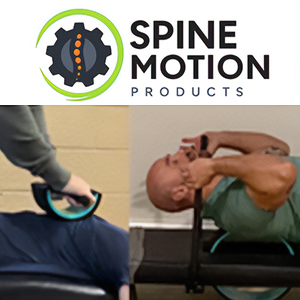 Spinal mobility has always been one of the most overlooked elements of human movement. Trainers, group fitness instructors, and even healthcare providers often focus on strength, endurance, or flexibility without appreciating that true functional health begins with how well the spine moves.
I recently had the privilege of leading seminars and workshops dedicated to spinal mobility at SCW Boston Mania®. The experience was energizing – room after room of professionals eager to understand not just what mobility drills to do, but why spinal health is foundational for movement efficiency, longevity, and injury prevention.
This article expands on the principles and strategies of spinal mobility presented at the event, as well as additional insights to help you bring this type of training into your own practice.
Why Spinal Mobility Matters
The spine is the architectural foundation of human movement. It is composed of 24 articulating vertebrae plus the sacrum and coccyx, designed to support both stability and mobility. When functioning optimally, the spine allows us to transfer force, maintain posture, and breathe efficiently.
When mobility is restricted—whether in the cervical, thoracic, lumbar, or sacral regions—compensations occur. A stiff thoracic spine may shift excessive motion into the shoulders or low back, while a rigid lumbar spine may force the hips to overwork. Over time, these compensations can lead to chronic pain, performance plateaus, and even injury.
Simply put: a mobile spine is a resilient spine. And resilient spines allow resilient movers.
The Science Behind Spinal Mobility
- Segmental vs. Global Motion
Mobility is not about touching your toes or bending backward into a deep stretch. True spinal mobility means that each segment can move independently. Imagine a chain: when one link is locked, the stress is transferred elsewhere. Segmental control reduces stress concentrations and distributes motion evenly.
-
 Mobility and Stability Are Partners
A mobile spine without control is unstable, and a rigid spine without motion is dysfunctional. We need the right balance of both. For example, the lumbar spine requires stability under load, while the thoracic spine thrives on rotational mobility.
- Neurophysiological Benefits
Mobilization also stimulates mechanoreceptors in the joints and fascia, improving proprioception (your body’s awareness of position) and calming down protective muscle guarding. Many participants in my workshops are surprised at how a few minutes of guided mobilization instantly improved their posture and ease of breathing.
Foundational Spinal Mobilizations You Can Try
Here are a few of the techniques I demonstrated at Boston Mania®. Consider these movement snacks—short, intentional drills you can weave into warm-ups, recovery, or daily routines.
- Cat–Cow with Segmentation
- Purpose: Promotes controlled flexion and extension of each vertebra.
- How to: Start on hands and knees. Instead of arching and rounding in one big movement, focus on rolling through one vertebra at a time, as if a wave were traveling down your spine.
- Coaching cue: “Move slow enough that you could stop at any point and still feel a distinct curve.”
(See reference image 1)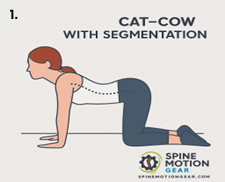
- Seated Thoracic Rotation with Reach
- Purpose: Unlocks mid-back rotation, often restricted from prolonged sitting.
- How to: Sit tall, feet flat. Cross arms over chest or extend one arm forward. Rotate slowly to one side, then reach the lead arm diagonally upward. Return to center and repeat other side.
- Coaching cue: “Keep hips facing forward; all motion comes from the ribs upward.”
(See reference image 2)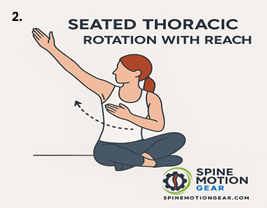
- 90/90 Roll-Down
- Purpose: Trains spinal articulation and hamstring mobility.
- How to: Sit with legs straight at 90° to the torso, arms reaching forward. Slowly roll down, vertebra by vertebra, until lying flat, then return the same way.
- Coaching cue: “Pretend you’re peeling your spine off the wall behind you.”
(See reference image 3)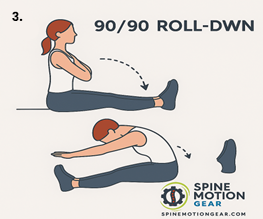
- Wall Angels
- Purpose: Reverses forward-head and flexion-dominant postures common in desk workers.
- How to: Stand with entire spine and head completely flat against the wall, this may require stepping the feet forward 2-3 feet from the wall. Please the arms at 90 degrees of flexion in the shoulders and elbows while pressed flat to the wall. Attempt to move arms up and down in a very small ROM while maintaining the spine touching the wall and chin tucked back.
- Coaching cue: “Push the lumber spine against the wall, push chin back, breathe.”
(See reference image 4)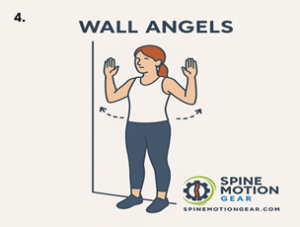
Lessons Learned from Spinal Mobility Workshops
During my workshops, one theme keeps surfacing: professionals are hungry for spinal education. Many participants admit they had never been taught structured spinal mobilization strategies in their certification courses. They knew how to coach squats and deadlifts, but not how to help a client with a locked-up thoracic spine.
The responses from my workshops confirmed what I’ve seen in practice for years: spinal mobility is the missing link in performance, pain prevention, and client success. Trainers who incorporate these strategies into warm-ups, cooldowns, or recovery sessions give their clients tools for a lifetime of healthier movement.
Practical Applications for Fitness Professionals
- Warm-Ups: Use 2–3 spinal mobility drills before strength or cardio sessions to prime movement quality.
- Recovery: Low-intensity mobilizations enhance circulation and aid recovery after heavy lifting or high-intensity intervals.
- Posture Coaching: Integrating mobilizations into corrective exercise programs can combat forward head posture, rounded shoulders, and sedentary stiffness.
- Special Populations: Gentle mobilizations are safe for older adults or deconditioned clients, helping maintain independence and reduce fall risk.
Moving Forward
As I reflect on past workshops, I am encouraged by how many professionals are ready to elevate their coaching through spinal health education. The conversations we had in the hallways, the “aha moments” during workshops, and the excitement about bringing these strategies back to clients all reinforce the importance of this work.
If you couldn’t make it to Boston, keep an eye out for upcoming events, webinars, and resources where I’ll continue teaching the art and science of spinal mobility. Together, we can shift the fitness industry toward a more integrative, spine-focused approach that supports not just performance, but long-term health and vitality.
If you are looking to get certified in spinal mobility as a fitness professional or looking for tools to help you mobilize spines safely and effectively, please visit me at www.spinemotiongear.com.
 About the Author: Dr. David Hopper
Dr. David Hopper is a practicing chiropractor and doctorate-level professor at the National University of Health Sciences, where he teaches anatomy, physiology, and advanced spinal manipulation. A national health and wellness presenter and co-owner of a heart rate variability technology company, he also holds multiple U.S. patents in health and ergonomics. Passionate about his mission, Dr. Hopper is dedicated to helping people realize their health potential through simple, natural means

Thriving as a Personal Trainer: Build, Protect, and Grow Your Career
By Phil Stump – API
As a personal trainer, you inspire confidence and create lasting change for your clients. Your work is invaluable, but it’s important to create a career that supports both your clients and you. API Fitness offers the following tips on how to build a sustainable, thriving practice while protecting and growing your business.
 Embrace Your Impact
Recognize the difference you make. You are a catalyst for change, and many people rely on your guidance. While it’s wonderful when clients seek you out, many potential clients hesitate to take the first step. Be proactive—share your mission, engage in conversations, and let people know how you can help. Confidence in your ability to create positive change will inspire others to act.
Your influence extends beyond physical transformations. The confidence you instill in clients often impacts their mental and emotional well-being. Share success stories—both your own and your clients’—to inspire potential clients. Sometimes, a relatable story or an honest conversation can help break down the barriers of hesitation for those unsure about starting their fitness journey.
Treat Your Career as a Professional Business
Success is a result of your professionalism. Approach your practice with dedication and structure while considering the following:
- Commit Time: Like fitness, small daily efforts lead to long-term success. Devote consistent time, whether daily or weekly, to improving and maintaining your business. Set aside specific hours each week to plan, assess, and refine your strategies.
- Invest in Growth: Continuous improvement is key. Renew your certifications, learn the latest training techniques, and stay informed on industry trends. Consider specialized certifications to expand your reach.
- Promote Yourself: Highlight your expertise and achievements through marketing strategies like social media, networking, and client testimonials.
- Stay Organized: Use tools to streamline your practice and manage clients efficiently. A well-organized approach ensures you’re consistently delivering excellent service.
Professionalism also extends to your demeanor. Punctuality, clear communication, and a commitment to delivering results each contribute to building trust and retaining clients.
Protect Your Practice with Insurance
Even with careful management, policies and procedures, risks are part of any fitness practice. Consider safeguarding your career with insurance coverage.
- Liability Insurance: Personal trainers report client injuries 15 times more often than other wellness professionals. Liability insurance protects personal trainers like you from the financial strain of lawsuits, ensuring your business remains stable. API Fitness offers affordable options, including $1,000,000 in liability insurance for just $110 annually, with a $50 discount for first year members: $60 annual first year premium!
- Property Insurance: Mobile trainers often carry expensive equipment that’s at risk of theft or damage. API Fitness provides property coverage starting at $110 annually for $10,000 in protection. This ensures your tools are safeguarded, whether you’re traveling between clients or working in various locations.
- Business Owners Policy (BOP): For trainers expanding their individual practice into actual fitness studio or gym ownership, a business owners policy is appropriate, a BOP combines general liability, property insurance, and employee-related coverage. This customizable policy protects your gym assets, staff, and clients, providing a solid foundation for growth.
Proper insurance coverage offers peace of mind, allowing you to focus on serving clients without worrying about financial risks.
Continuous Improvement: A Hallmark of Excellence
Top athletes emphasize growth, and so should you. Advancing your skills benefits both you and your clients:
- Stay Motivated: Your dedication to learning inspires clients to strive for their personal best. Attend workshops and share insights to keep sessions fresh and engaging.
- Enhance Credibility: Certifications from organizations like SCW demonstrate your commitment to excellence and reassure clients of your expertise.
- Expand Opportunities: Broaden your expertise to cater to diverse client needs. Adding skills like nutrition coaching or corrective exercise specialist can open new avenues for your practice.
Continuous improvement also involves self-reflection. Evaluate your performance and seek feedback from clients to refine your approach and enhance your services.
 Promote Yourself Effectively
Promoting yourself doesn’t have to be overwhelming. Focus on simple, effective strategies:
- Business Cards: Keep traditional or electronic business cards handy. Include essential details like certifications, specialties, and website links.
- Professional website: Make sure your website looks and feels professional and showcases your certifications.
- Networking: Engage with people at events, gatherings, and casual outings. Every interaction is an opportunity to build connections.
- Client Communication: Regularly share fitness tips and updates to stay top-of-mind with your clients. You can use email, text, social media or whatever communication platform is most effective for your clients. Consider creating and sending a newsletter with advice or success stories.
- Social Media: Create profiles on platforms like Instagram, Facebook, and LinkedIn. Share client transformations (with permission), training tips, and personal milestones.
Authenticity is key. When clients see your genuine passion for fitness, they’ll feel more connected to your message and mission.
Stay Organized for Success
Effective organization supports your growth and sustainability:
- Reliable Tools: Invest in dependable technology (i.e. phones and laptops). Consider using scheduling apps to manage appointments efficiently.
- Dedicated Space: Establish a workspace to separate personal and business tasks. A dedicated area helps maintain focus and professionalism.
- Client Management Systems: Use tools like spreadsheets or specialized software to track client progress. These tools simplify administrative tasks, freeing you to focus on training.
Organization isn’t just about tools—it’s about mindset. Set clear goals, establish routines, and regularly assess your progress to stay on track.
Build Resilience with Strategic Planning
While insurance is vital, resilience also comes from proactive risk management:
- Client Agreements: Use clear, legally vetted agreements outlining expectations for both parties. This minimizes misunderstandings and establishes professionalism.
- Emergency Protocols: Be prepared for emergencies during sessions. Certification in first aid and CPR ensures you can address potential crises effectively.
- Regular Maintenance: Keep equipment in top condition to reduce accidents. Routine inspections and timely repairs can prevent injuries and liability issues.
A thriving career as a personal trainer requires a balance of professionalism, continuous growth, and proactive protection. By investing in your skills, promoting yourself authentically, and safeguarding your practice, you can create a sustainable business that benefits both you and your clients. Act today to secure your future in the fitness industry.
 About the Author: Phil Stump
Mr. Stump, President of Allied Professionals Insurance since 1994, has grown the company into the nation’s largest provider of professional liability coverage for health and wellness professionals. He holds a BA in Finance from CSUF and an MBA from Harvard, and is actively involved in various community and educational boards.
Bounce Back to Fitness: The Rise of Kangoo Jumps Rebound Boots and Classes
By LaWanda Brokenborough
If you’re looking for a fun, joint-friendly, and surprisingly effective way to get fit, Kangoo Jumps rebound boots might be exactly what your workout routine is missing. Originally designed for injury rehab, these eye-catching boots have bounced their way into the mainstream as a global fitness trend—offering cardio, strength, and plenty of smiles with every step.
 What Are Kangoo Jumps?
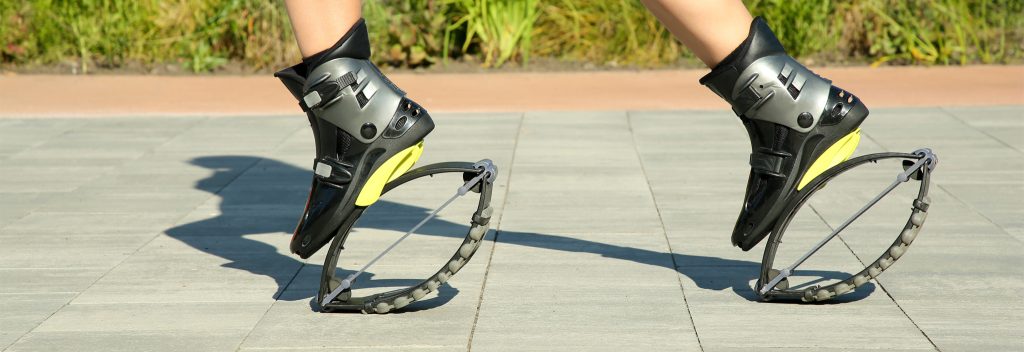
Kangoo Jumps are spring-loaded rebound boots with a curved, oval-shaped base that absorbs up to 80% of impact. Originally created in the 1990s by a Swiss engineer for physical therapy, they’ve since evolved into a staple in fitness studios and wellness centers around the world.
They may look like a mix between rollerblades and moon boots, but don’t let the futuristic design fool you. Their patented Impact Protection System (IPS) helps reduce joint stress, making them a perfect fit for people recovering from injuries, managing joint pain, or simply seeking a low-impact, high-energy workout.
The Science Behind the Bounce
Rebounding—exercises performed while bouncing on a spring surface—has a solid scientific reputation. NASA even called it one of the most efficient forms of exercise for returning astronauts. Why? Because it strengthens muscles, bones, and the cardiovascular system, all without putting stress on joints.
Unlike rebounders that stay in one place (like mini trampolines), Kangoo Jumps give you mobility. You can jog, dance, squat, and leap your way across the floor or outdoor space—making it a full-body workout that feels like play.
Meet Kangoo Club Atlanta
Founded in 2014 by veteran group fitness instructor LaWanda Brokenborough, Kangoo Club Atlanta is a mobile fitness company that specializes in Kangoo Jumps group classes, instructor training, kids’ parties, and running groups. They’re also an authorized distributor of the boots.
Kangoo Club Atlanta has made a name for itself across multiple states and has been featured on CNN, Good Day Atlanta, Good Day Columbus, and The Arnold Sports Festival. Whether it’s in a park, a studio, or at a special event, their mission is simple: make fitness fun, inclusive, and effective.
What to Expect in a Class
A typical Kangoo Jumps class lasts 45–60 minutes and blends dance, aerobics, plyometrics, and even some strength training—all to high-energy music. Don’t worry if you’re new to bouncing; the boots are easy to use, and balancing on them is surprisingly intuitive.
Despite the high-energy vibe, the rebound effect means less soreness and more calories burn than your typical high-impact workout. And thanks to the spring technology, it feels easier on your body while giving you serious results.
Top Benefits of Kangoo Jumps Workouts
- Joint-Friendly Fitness
The boots significantly reduce impact on knees, hips, and lower back—great for people with arthritis, past injuries, or joint sensitivity.
- Burn More Calories
You can torch 25–50% more calories than traditional aerobic workouts in the same time frame.
- Boost Lymphatic Health
Bouncing stimulates lymphatic drainage, which helps remove toxins, reduce inflammation, and boost immune function.
- Improve Balance & Coordination
The slight instability of the boots engages your core and enhances body awareness.
- Feel-Good Movement
Exercise should feel good, and Kangoo Jumps delivers a big dose of endorphins and mood-lifting fun.
Who Can Join?
Kangoo Jumps are for almost everyone:
- Beginners looking for low-impact entry points
- Athletes seeking cross-training or rehab
- Busy professionals wanting an efficient full-body workout
- Older adults looking to stay active without stress on joints
- Kids and teens, thanks to special junior models
However, those with balance disorders, severe osteoporosis, or vertigo should check with a physician before trying the boots.
Getting Started
Want to try it out? You can rent boots at a class or buy your own online. Prices typically range from $200–$300, depending on the model and size.
Kangoo Club Atlanta offers both in-person and virtual classes, indoors and outdoors. Whether it’s in a local park or at a team-building event, they bring the bounce to you.
Final Thoughts
Kangoo Jumps are more than a fitness trend—they’re a movement. One that’s accessible, effective, and above all, fun. Whether you’re looking to get back in shape, add variety to your workouts, or simply try something new, these gravity-defying boots could be just what you need.
So, strap in, turn up the music, and bounce your way to better health. Because when fitness feels this fun, you’ll actually want to stick with it.
For more information or to sign up for a class visit or call: www.kangooclubatlanta.com, 470-470-JUMP
 About the Author: LaWanda Brokenborough
LaWanda Brokenborough, founder of Aerobics Delivered and Kangoo Club Atlanta, is a fitness powerhouse with over 20 years of experience and 22,000+ classes taught. A marathoner, master group fitness coach, and certified Kangoo Jumps instructor trainer, she brings serious energy and expertise to every class. Her mission? Fun, sweat, and joint-safe fitness for all!

Beyond the Hours: Why Sleep Quality is the Missing Link
By Danielle Ontiveros
We’ve all heard it: “Get your 7–9 hours.” But what if those hours aren’t restorative? For fitness professionals, physical therapists, and sports medicine experts, the conversation around sleep must evolve beyond duration. Sleep quality—not just quantity—is the true driver of recovery, hormonal balance, and cognitive performance.
 Sleep Architecture: What Happens Beneath the Surface
Sleep unfolds in cycles, each lasting ~90 minutes and comprising four stages:
- Stage 1 & 2 (Light Sleep): Transition and stabilization
- Stage 3 (Deep Sleep): Tissue repair, immune activation, growth hormone release
- REM Sleep: Emotional processing, memory consolidation, neural detoxification
Poor sleep quality—fragmented cycles, insufficient deep or REM sleep—can impair muscle recovery, elevate cortisol, and disrupt insulin sensitivity and mood regulation Harvard Health, CDC Sleep.
The Hidden Cost of Poor Sleep
Even with “enough” hours, poor-quality sleep can:
- Increase risk of cardiovascular disease, diabetes, and depression
- Impair reaction time, memory, and decision-making
- Elevate cortisol and disrupt the HPA axis, compounding stress and sleep issues Cleveland Clinic, NICHD
Melatonin Alone Isn’t Enough: The Synergistic Power of Botanicals and Amino Acids
Melatonin helps regulate circadian rhythm, but it doesn’t address the emotional and neurological tension that often blocks sleep onset and depth. That’s where a multi-ingredient approach shines.
A supplement like P.M. Super Burner Gummies, which combines melatonin, lemon balm, passionflower, L-theanine, L-tryptophan, vitamin D3, and vitamin B6, offers a layered benefit:
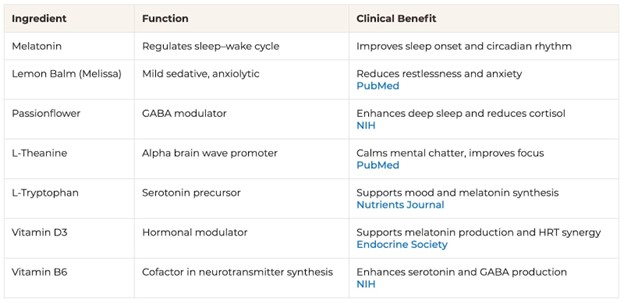
Together, these ingredients don’t just sedate—they prepare the body and mind for sleep by reducing cortisol, supporting neurotransmitter balance, and enhancing emotional regulation.
Cortisol, HRT, and Mental Acuity: The Sleep Connection
High evening cortisol levels are a known disruptor of sleep architecture. Chronic stress and poor sleep form a vicious cycle that impairs hormonal regulation—including estrogen, progesterone, and testosterone—critical for HRT patients Dr. Alexandra MacKillop.
By promoting deeper sleep and reducing nighttime cortisol, a formula like P.M. Super Burner Gummies may:
- Improve HRT outcomes
- Support adrenal recovery
- Enhance next-day mental clarity and emotional resilience
 Unwinding Is Non-Negotiable
Sleep isn’t a switch—it’s a descent. Creating a pre-sleep ritual that includes breathwork, screen-free time, and targeted supplementation can dramatically improve sleep quality. Think of it as priming the nervous system for parasympathetic dominance.
Bottom line for SCW Fitness Pros: Sleep quality is a clinical lever for recovery, hormonal health, and cognitive performance. A thoughtfully formulated supplement—like P.M. Super Burner Gummies—can be a powerful tool in your client’s wellness arsenal, especially when paired with behavioral strategies that honor the body’s need to unwind.
Let’s stop counting hours and start cultivating restoration.
 About the Author: Danielle Ontiveros
Danielle Ontiveros is the founder of Grab The Gold, Inc, a wellness company that began with nutrition bars crafted ahead of the curve—long before clean ingredients and functional snacking became mainstream. Having faced health challenges from an early age, she discovered firsthand how natural products can restore balance and offer lasting benefits. Danielle has since expanded the offerings she created to include clinically backed hydration drinks and supplements that support sleep, stress, and hormonal health. Her work is rooted in a personal truth—when people experience optimal wellness, they show up better—for themselves and the people they care about. Learn more at grabthegold.com.

Thanksgiving Leftover Power Bowl
 Who says Thanksgiving leftovers have to be a déjà vu dinner? Transform turkey, roasted veggies, and mashed potatoes into a fun, flavorful, and healthy twist on tradition. And when it comes to pumpkin pie? Some classics are worth keeping just as they are—whipped topping and all!
Ingredients (serves 2–4):
- 1–2 cups leftover roasted turkey, shredded or diced
- 1 cup roasted vegetables (carrots, Brussels sprouts, green beans)
- ½–1 cup cooked sweet potatoes or mashed potatoes
- ½ cup cooked quinoa or brown rice
- 2 cups fresh leafy greens (spinach, kale, or arugula)
- 2–3 tablespoons cranberry sauce (preferably low sugar)
- 1–2 tablespoons plain Greek yogurt (optional, for creaminess)
- Salt, pepper, and a drizzle of olive oil or balsamic vinegar
 Instructions:
- Reheat turkey and roasted vegetables if desired.
- Assemble bowls: start with a base of quinoa or rice, then layer greens, sweet potatoes, roasted vegetables, and turkey.
- Top with a spoonful of cranberry sauce and a dollop of Greek yogurt if using.
- Drizzle lightly with olive oil or balsamic vinegar, season with salt and pepper, and toss gently.
- Serve warm or cold—perfect for a nutrient-packed leftover meal!
Tip: You can swap mashed potatoes for cauliflower mash to reduce carbs or add roasted pumpkin or squash for extra fiber.

 We’re always looking for great content highlighting the newest things in the world of fitness. Please submit your article directly to editor@scwfit.com for immediate consideration!