

For decades, fitness professionals have been taught that muscle is the primary source of movement dysfunction and pain. When clients complain of chronic neck tension, low back discomfort, or persistent trigger points, the focus has traditionally been on tight muscles, muscle imbalances, weakness, or poor movement patterns. However, emerging research is reshaping our understanding of pain. A recent review by pain researcher Vlodeks Gromakovskis suggests that fascia—the connective tissue network that surrounds and interconnects muscles, nerves, blood vessels, and organs—may play a far greater role in chronic pain than previously recognized. Rather than serving as a passive wrapping around muscles, fascia appears to be an active sensory tissue capable of generating, amplifying, and sustaining pain signals. For fitness professionals, understanding the role of fascia may provide new insights into movement limitations, chronic discomfort, and why some clients struggle to find lasting relief despite traditional exercise interventions.
 What Exactly Is Fascia?
Fascia is a continuous web of connective tissue that extends throughout the entire body. It surrounds individual muscle fibers, groups of muscles, bones, joints, nerves, and organs, creating an interconnected system that helps transmit force, support movement, and maintain structural integrity. For many years, fascia was viewed primarily as packaging material. Today, researchers recognize it as a dynamic tissue that responds to mechanical stress, movement, hydration, inflammation, and even emotional stress. Perhaps more importantly, fascia contains an extensive network of sensory receptors and pain-sensitive nerve endings. This means fascia is not simply along for the ride—it actively participates in how the body feels and moves.
The Missing Piece in Myofascial Pain
Myofascial Pain Syndrome (MPS) is one of the most common causes of chronic musculoskeletal pain. It is often associated with trigger points, tender areas, referred pain patterns, and movement restrictions.
Historically, researchers believed trigger points originated primarily within muscle tissue. More recent evidence suggests that dysfunctional fascia may contribute significantly to these symptoms. According to the review, several changes can occur within fascial tissues that may generate pain and movement limitations. These include:
• Fascial densification
• Fibrosis or thickening of connective tissue
• Inflammation
• Reduced tissue glide
• Altered tissue stiffness
When fascial layers lose their ability to slide smoothly over one another, movement becomes less efficient and more stressful to surrounding tissues. This may create mechanical irritation and stimulate pain receptors embedded within the fascia itself. For fitness professionals, this helps explain why some clients describe feeling “stiff” even when flexibility testing appears normal.
Fascia Is Richly Innervated
One of the most significant findings highlighted in the review is that fascia contains a dense network of nociceptors, or pain receptors, as well as mechanoreceptors that detect movement and pressure. Researchers have identified free nerve endings, sensory receptors, and sympathetic nerve fibers throughout fascial tissues. In practical terms, this means fascia may be just as capable of generating pain as muscles, tendons, or joints.
When fitness professionals palpate a client’s painful area, they may be stimulating fascial tissue rather than muscle tissue alone. This distinction may seem subtle, but it has important implications for assessment and programming. Pain is often more complex than simply finding a tight muscle and stretching it.
 Why Movement Matters
One of fascia’s key functions is allowing tissues to glide smoothly during movement. Healthy fascia contains a gel-like substance rich in hyaluronan that helps reduce friction between layers. However, inactivity, repetitive movement patterns, poor posture, injury, and aging may alter this environment. Researchers suggest that changes in fascial hydration and viscosity can impair tissue sliding, contributing to stiffness and discomfort.
This reinforces an important principle for fitness professionals: movement variability matters. Clients who spend prolonged periods sitting, performing repetitive tasks, or exercising within limited movement patterns may benefit from programs that encourage:
• Multi-planar movement
• Dynamic mobility
• Rotational exercises
• Functional strength training
• Controlled stretching
• Frequent position changes throughout the day
Movement may serve as a powerful tool for maintaining fascial health and mobility.
The Connection Between Fascia and Chronic Pain
The review also highlights the relationship between fascial dysfunction and central sensitization—a condition in which the nervous system becomes increasingly sensitive to pain signals. Persistent nociceptive input from irritated fascia may contribute to changes within the central nervous system that amplify pain perception over time. This helps explain why some clients continue to experience pain long after the original injury has healed.
For fitness professionals, this serves as a reminder that chronic pain is rarely caused by a single tissue or movement pattern. Pain often involves an interaction between:
• Local tissue health
• Nervous system sensitivity
• Stress levels
• Sleep quality
• Emotional wellbeing
• Physical activity habits
This biopsychosocial perspective encourages a more holistic approach when working with clients experiencing persistent pain.
 What This Means for Fitness Professionals
The growing body of fascial research does not mean strength training is no longer important. In fact, resistance exercise remains one of the most effective interventions for improving function and reducing chronic pain. However, fitness professionals may consider broadening their perspective when working with clients who experience persistent stiffness, trigger points, or movement limitations.
Effective programming may include:
1. Prioritizing Movement Quality
Focus on smooth, coordinated movement patterns rather than simply increasing load or intensity.
2. Incorporating Mobility Training
Dynamic mobility exercises may help restore movement options and improve tissue adaptability.
3. Using Progressive Loading
Appropriate resistance training helps connective tissues adapt to stress while supporting long-term resilience.
4. Encouraging Recovery
Hydration, sleep, stress management, and recovery strategies may influence connective tissue health as much as exercise itself.
5. Collaborating with Healthcare Providers
Clients with persistent pain often benefit from a multidisciplinary approach involving physical therapists, physicians, massage therapists, and qualified movement professionals.
The Future of Pain and Performance
While researchers acknowledge that more high-quality studies are needed, the evidence increasingly supports the idea that fascia is far more than an anatomical wrapping. It functions as a sensory, mechanical, and biological system that may significantly influence movement, performance, and pain. For fitness professionals, the takeaway is clear: successful programming should address the entire movement system, not just muscles. By understanding the role of fascia, professionals can better appreciate the complexity of human movement and develop more comprehensive strategies to help clients move better, feel better, and perform at their highest level. As our understanding of fascia continues to evolve, one thing is becoming increasingly apparent: when it comes to pain and movement, the story is much bigger than muscle alone.
This article was based on information from PubMed Central: Exploring fascia in myofascial pain syndrome: an integrative model of mechanisms.
By Earl Jenkins
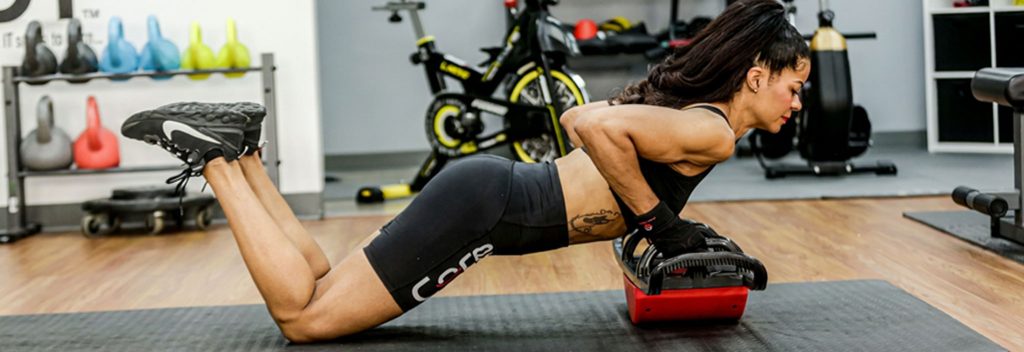
In today’s fitness industry, new equipment appears almost daily, promising faster results, greater strength, and improved performance. While innovative tools can enhance exercise programs, the true value of any fitness product lies in the education behind its design. 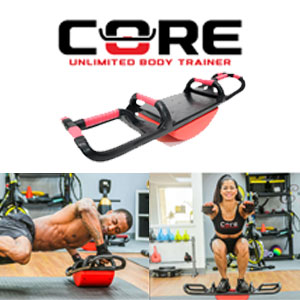 Effective equipment should teach movement, improve function, and help exercisers better understand how the body works. Core Champion’s philosophy centers on this concept. Rather than creating another exercise device, the company developed the Core Unlimited Body Trainer to encourage functional movement patterns, core engagement, balance, and total-body strength development. According to founder Earl Jenkins, the inspiration came after experiencing an elbow injury from years of traditional dumbbell training. His goal was to create a training tool that would reduce joint stress while promoting full-body movement and core activation. One of the trainer’s greatest educational advantages is its versatility. It facilitates more than 150 bodyweight exercises, allowing users to challenge all major muscle groups while improving mobility, coordination, and strength. This extensive exercise library supports functional fitness, athletic performance, and everyday movement while encouraging creativity in exercise programming.
Why Functional Training Matters
Many exercisers still think of fitness as training individual muscles. While isolation exercises can build strength, daily activities rarely require muscles to work alone. Lifting groceries, climbing stairs, reaching overhead, and maintaining balance all depend on multiple muscle groups working together. Functional training recognizes this reality by emphasizing integrated movement patterns rather than isolated exercises. The educational foundation behind functional training teaches participants how to move more efficiently while improving coordination, stability, strength, and mobility. When the body learns to function as a connected system, movement becomes more effective both inside and outside the gym.
The Core: More Than Just Abs
One of the most misunderstood concepts in fitness is the role of the core. Many people associate core training solely with visible abdominal muscles. In reality, the core includes the abdominals, lower back, pelvic floor, diaphragm, and numerous stabilizing muscles surrounding the spine and pelvis. These muscles work together to support posture, stability, balance, force production, and injury prevention. Rather than relying on endless crunches, functional training teaches exercisers to engage the core throughout movement. A distinctive feature of the Core Unlimited Body Trainer is its patented cylindrical base, which introduces a subtle, controlled instability. This intentional imbalance naturally increases core activation during every exercise, requiring users to continually recruit stabilizing muscles while maintaining proper alignment. The result is a more functional and effective training experience that strengthens balance, coordination, and body awareness.
 Stability Before Strength
Fitness professionals often teach that stability must come before strength. Before the body can safely produce force, it must first control movement. If an exerciser lacks stability in the shoulders, hips, spine, or ankles, adding resistance may reinforce poor movement patterns. Training tools that create controlled instability encourage the body to recruit stabilizing muscles while maintaining alignment and control. This not only improves movement quality but also strengthens the communication between the nervous system and the muscles.
Benefits of this type of training may include:
• Improved balance and coordination
• Enhanced body awareness
• Better movement control
• Increased confidence during daily activities
• Reduced risk of falls and injury
These benefits can be especially valuable for active agers, beginners, and individuals returning from injury.
Joint-Friendly Training
Many exercisers eventually experience aches, pains, or overuse injuries from repetitive movement patterns. Traditional resistance training can sometimes place excessive stress on joints when movement quality deteriorates. Core Champion’s development story reflects a growing trend within the fitness industry: creating exercise solutions that challenge muscles while minimizing unnecessary joint stress. The company’s founder specifically sought an alternative after suffering an elbow injury associated with years of conventional training. This educational perspective encourages exercisers to evaluate fitness through the lens of sustainability. Effective exercise should not only build strength but also support long-term movement health.
Built for Real-World Use
An important aspect of fitness education is accessibility. Equipment that is overly complex or intimidating can discourage participation. The Core Unlimited Body Trainer was intentionally designed to remove those barriers.
Weighing just 12.5 pounds and measuring 36 inches long by 9 inches wide, the trainer is lightweight, compact, and easy to transport. Despite its portability, it safely supports users up to 300 pounds. This combination of durability and convenience makes it suitable for home exercisers, personal trainers, fitness facilities, and athletes of varying skill levels. The design reinforces an important lesson: effective training does not require massive machines or excessive loads. Quality movement can happen anywhere when sound training principles are applied.
 Teaching Movement, Not Just Exercises
Perhaps the most important lesson behind functional training equipment is that fitness professionals should teach movement patterns rather than simply prescribe exercises. Exercises are tools. Movement is the objective. When participants learn how to hinge, squat, push, pull, rotate, stabilize, and balance effectively, they develop skills that transfer into everyday life. Equipment becomes most valuable when it serves as a teaching tool that reinforces these principles. As the fitness industry evolves, exercisers are seeking solutions that improve movement quality, support longevity, and enhance daily function. The best equipment will not simply provide resistance—it will teach movement, promote body awareness, and support sustainable fitness habits. Ultimately, the greatest benefit of any fitness tool is not the equipment itself. It is the education that helps individuals understand how their bodies move, adapt, and grow stronger. Interested in trying Core Champion firsthand? Join Earl and his team at SCW MANIA®. Choose from four cities (Atlanta, Dallas, Chicago, Boston) to workout with this unique, multi-purpose fitness equipment and experience the magic behind the education.

About the Author: Earl Jenkins
Meet Earl Jenkins, the visionary founder and CEO of Core Champion Inc., and the inventor of the patented Core Unlimited Body Trainer. After dedicating over 35 years to training with traditional dumbbells, an unexpected elbow tear inspired him to develop a groundbreaking bodyweight-based system. This innovative system is meticulously designed to build metabolic and core strength while significantly mitigating the joint stress often associated with conventional weight training. His commitment to user well-being is further exemplified by the trainer’s multi-grip design, engineered to minimize sprains and discomfort. Earl holds both undergraduate and master’s degrees in theology, bringing a unique blend of intellectual rigor, innovative thinking, resilience, and practical wellness strategies to every aspect of his work.

By Evans Armantrading Jr.
Walk into almost any modern fitness facility and you will see the same scene: members who can squat, press, and run, but who cannot comfortably reach the floor, rotate their spine, or raise their arms overhead without compensation. We have built a culture that trains strength and conditioning relentlessly while treating flexibility as an afterthought. The cost of that imbalance is finally catching up with us — and it is creating one of the clearest service opportunities the fitness industry has seen in a decade.
 A population that sits more than it moves
The modern body is shaped by the chair. Office and administrative workers now spend roughly 83 percent of the workday seated, and desk-based roles account for nearly 44 percent of the U.S. workforce. Sedentary occupations have grown by more than 80 percent since 1950. Hours of daily sitting shorten hip flexors, round the thoracic spine, and stiffen the very joints our clients need to move well. People feel it — surveys show that around 70 percent of full-time workers dislike how much they sit — but disliking stiffness and knowing how to fix it are two different things. This is where assisted stretching earns its place. Most people cannot effectively stretch themselves. They lack the body awareness to find end range safely, they guard against their own tension, and they stop the moment a movement becomes uncomfortable. A trained practitioner removes those barriers, positioning the client and controlling the stretch so the nervous system relaxes, and tissue actually lengthens. The result is a session that feels restorative rather than like one more thing the client has to white-knuckle through on their own.
Aging, mobility, and a longevity message that finally landed
The demographic tailwind is just as strong. As adults age, flexibility declines joint by joint, and mobility limitations become common: studies of older populations find that roughly one in five live with severe mobility limitation and nearly as many with moderate limitation. Reduced range of motion is not a cosmetic concern — it predicts falls, loss of independence, and a narrowing life. Recent research gave that message real weight. A 2024 prospective study published in the Scandinavian Journal of Medicine & Science in Sports followed more than 3,000 middle-aged adults and found that those with the lowest flexibility scores had a dramatically higher risk of death over the following years — men with poor flexibility were nearly twice as likely to die during the study, and women with poor flexibility almost five times as likely. Flexibility, it turns out, behaves like a vital sign. That kind of finding moves stretching out of the “nice to have” column and into preventive health, and clients are listening.
The market is already voting
Consumer behavior confirms the demand. Assisted stretching has gone from a boutique novelty to a national category in just a few years. StretchLab became the first assisted-stretching brand to surpass 500 studios in North America, and Stretch Zone closed 2025 with more than 400 locations. Industry estimates put the broader stretch-therapy studio market around $2 billion and growing north of 20 percent a year — a pace most fitness segments would envy. When standalone studios can build profitable franchises on stretching alone, it is a loud signal of how much unmet need exists. For existing gyms, studios, and independent trainers, that signal cuts two ways. It validates the demand — but it also means national chains are actively capturing clients who could just as easily be served inside your own four walls. Every member who drives across town for a stretch appointment is revenue and loyalty walking out your door.
The supply gap nobody is filling
Here is the part that should stop every operator in their tracks. Demand is climbing fast, yet supply has barely moved. The overwhelming majority of fitness facilities still treat stretching as a few foam rollers in the corner and a sign that says, “please re-rack.” Consider the numbers:
• Less than 5% of gyms offer a formal, structured stretch program.
• Under 6% of fitness facilities offer dedicated stretching services, including franchises and independent studios.
• Over 100 million Americans live with chronic pain, a population actively searching for relief and movement.
• Mobility demand is rising as recovery, longevity, and “movement health” become central to defining fitness.
• The aging population accelerates it — annually, more adults reach an age demanding flexibility and mobility.
Read those figures together and the picture is unmistakable. Tens of millions of people need exactly what assisted stretching delivers, and almost no one is set up to deliver it. That is not a saturated market — it is a wide-open one. The brands scaling to hundreds of studios are not meeting demand; they are barely scratching it. Most of the opportunity is still sitting unclaimed, and it is sitting closest to the operators who already have the space, the members, and the trust to serve it.
“The opportunity is not where the market is. The opportunity is where the market is going.”
Skating to where the puck is means competing for the sliver of clients who already buy stretch. Skating to where it is going means owning the service before it becomes an expectation — while fewer than one in twenty facilities can even offer it. The gap between soaring demand and near-zero supply is the whole opportunity, and it will not stay open forever.
Who is asking for it
The audience is broader than most operators expect. Deconditioned beginners use assisted stretching as an accessible, non-intimidating entry point to movement. Older adults turn to it to protect independence and reduce fall risk. Desk workers seek relief from chronic neck, back, and hip tension. Athletes and lifters use it to restore range of motion and recover between hard sessions. Post-rehab clients want a bridge between physical therapy and full activity. These groups rarely overlap on a class schedule, yet they all respond to the same one-on-one, hands-on service.
 From overlooked to essential
Assisted stretching is rising for the most durable reason any service can: it solves a real, widespread, and worsening problem. Our clients sit too much, move too little, and are living longer than the bodies they are neglecting can comfortably support. Stretching addresses all three. For fitness professionals, the question is no longer whether assisted stretching belongs in the industry — the market has answered that — but whether you will be the one delivering it.
What to look for in a stretch therapy certification
If you decide to add this service, the certification you choose will determine whether you can actually deliver results or simply hang a new credential on the wall. Not all programs are built the same. Before you enroll, make sure the certification offers three things:
1. An education portal you can access before and after the course. Look for structured learning materials — ideally online, though printed can work — that you can study to prepare and return to as a reference once you are certified. Your learning should not end the day the course does; the best programs give you a resource you keep for the life of your practice.
2. A hands-on, in-person component to learn the stretches. This is non-negotiable. Stretching is tactile, kinesthetic work — you cannot learn the proper intensity, pressure, and end-range feel of a stretch by watching videos on a screen. An online-only certification will hand you the credential but be very cautious about your ability to execute effectively without ever having put your hands on a real client under a coach’s guidance. If you cannot feel it, you cannot reliably reproduce it.
3. Sales and consultation training. Adding stretch therapy is not like dropping another class onto your schedule — it is a distinct service with its own conversation. The strongest certifications teach you how to run a proper consultation and conduct the sale, so you can actually convert interest into paying, recurring clients. A program that teaches the technique but ignores the business side leaves the most important half of the equation on the table.
Get all three and you walk away able to deliver the service, sell it, and keep getting better at it. Settle for less and you may have a certificate that looks impressive but a practice that never gets off the ground.
Ready to meet the demand? CNU Stretch certifies fitness professionals and studio owners to deliver assisted stretching safely and profitably, with hybrid online and in-person training and full launch support. Explore certification at cnustretch.com.
 About the Author: Evans Armantrading Jr.
Evans Armantrading Jr. is the founder of CNU Fit and CNU Stretch, a stretch-therapy education and certification company that trains fitness professionals and studio owners to add assisted stretching as a flexible, high-margin service. CNU Stretch offers hybrid online and in-person certification (Levels I–IV) and licensing support for studios ready to launch. Learn more at cnustretch.com.

by Sara Kooperman, JD
If there is one trend dominating the fitness industry today, it is glute training. From social media influencers to professional athletes, everyone seems to be talking about building stronger glutes. Yet behind the Instagram posts and viral workout videos lies something far more important than aesthetics. Research continues to demonstrate that the gluteal muscles play a critical role in posture, balance, gait mechanics, athletic performance, injury prevention, power production, and healthy aging. Strong glutes are not just about looking better—they are about moving better. As one of the hottest topics in fitness, glute training serves as the perfect gateway into a larger conversation about where the industry is headed. Join hundreds of fitness professionals at SCW Atlanta MANIA® July 31–August 2, 2026, to discover not only today’s most important trends, but the science driving the future of fitness, wellness, nutrition, recovery, Pilates, aquatics, and longevity. Unlike social media, where trends often emerge overnight without scientific support, MANIA® focuses on evidence-based education that fitness professionals can confidently apply with clients and participants. While TikTok and Instagram may tell you what is popular this week, SCW explores the trends that are supported by science and likely to shape our industry for years to come.
 Trend #1: Glute Training Gets Smarter
The future of glute training is no longer endless squats and hip thrusts.
Fitness professionals are increasingly examining:
• Glute activation and neuromuscular recruitment
• Hip stability and pelvic control
• Movement efficiency and biomechanics
• Power development and athletic performance
• Functional movement transfer to daily activities
• Injury prevention and rehabilitation
Research continues to demonstrate that the gluteal muscles influence nearly every movement we perform. Strong, properly functioning glutes contribute to better posture, improved athletic performance, reduced lower-back pain, enhanced balance, and healthier aging. Expect to see glute training integrated with strength training, Pilates, mobility, recovery, athletic performance, and active-aging programs throughout the conference.
Trend #2: Pilates Reformer Continues Its Explosive Growth
Few modalities have experienced the growth and demand currently enjoyed by Pilates Reformer training. Once viewed as a niche specialty, Reformer Pilates has become one of the most sought-after offerings in health clubs, boutique studios, physical therapy clinics, athletic performance centers, and wellness facilities. Clients are increasingly drawn to the unique combination of strength, mobility, stability, balance, posture, flexibility, and core training that the reformer provides. What makes the reformer particularly exciting is its versatility. Today’s programming extends far beyond traditional Pilates and includes:
• Athletic performance training
• Strength and power development
• Recovery and restoration
• Active-aging programs
• Post-rehabilitation exercise
• Mobility and movement optimization
• Group reformer classes
• Sports-specific conditioning
As more facilities invest in reformer equipment, fitness professionals with reformer expertise are finding tremendous career opportunities. SCW is proud to be at the forefront of this movement. Atlanta MANIA® features a dedicated Pilates Reformer Studio, allowing attendees to experience reformer training firsthand rather than simply hearing about it in a lecture. Throughout the weekend, participants can take multiple reformer sessions covering strength training, athletic conditioning, recovery, mobility, active aging, functional movement, and performance enhancement. Unlike many conferences that discuss reformer training conceptually, SCW provides a fully equipped reformer environment where attendees can learn from leading Pilates educators, experience the equipment themselves, and immediately apply new ideas to their own classes, studios, and facilities. As reformer programming continues to move into mainstream fitness, wellness, rehabilitation, and performance training, professionals who understand how to leverage this equipment will be uniquely positioned for future success.
Trend #3: Strength Training for Longevity
One of the most significant shifts in fitness is the move away from purely aesthetic goals toward longevity and healthspan. Research consistently demonstrates that muscular strength and power are among the strongest predictors of:
• Independence with aging
• Fall prevention
• Metabolic health
• Bone density
• Functional movement capacity
• Overall quality of life
Today’s clients want more than weight loss. They want to remain active, capable, and independent for decades to come. As life expectancy continues to increase, fitness professionals are increasingly being asked not just to help people live longer, but to help them live better.
Trend #4: Low-Impact & Low-Intensity Training Go Mainstream
For years, the fitness industry promoted the idea that harder was always better. Today, both science and consumer demand are telling a different story. Low-impact exercise and lower-intensity cardiovascular training are among the fastest-growing trends in fitness. Walking programs, Pilates, aquatic exercise, cycling, mobility training, recovery-focused workouts, and Zone 2 cardio are gaining popularity because they deliver meaningful results while reducing stress on the joints and nervous system. Research continues to demonstrate that lower-intensity aerobic training can improve:
• Cardiovascular health
• Mitochondrial function and energy production
• Fat metabolism
• Recovery capacity
• Endurance performance
• Stress management and resilience
At the same time, low-impact training helps participants remain consistent, avoid injury, and continue exercising throughout life. As the population ages and more people seek sustainable approaches to fitness, professionals who understand how to effectively program low-impact and low-intensity exercise will be in high demand. The future is not high intensity versus low intensity. It is understanding when and how to use both to achieve optimal results.
Trend #5: Recovery Becomes a Priority
Recovery has become one of the fastest-growing sectors of the fitness industry. The best programs now integrate:
• Mobility training
• Stretching
• Corrective exercise
• Recovery-focused Pilates
• Yoga
• Aquatic exercise
• Breathwork
• Stress reduction techniques
Exercise is only one part of the adaptation equation. Recovery is where the body rebuilds, repairs, and becomes stronger. The most successful fitness professionals are helping clients understand both sides of the equation.
Trend #6: Brain Health and Cognitive Fitness
One of the most exciting developments in fitness involves the relationship between movement and brain health. New research continues to demonstrate that exercise improves blood flow to the brain, enhances neuroplasticity, supports memory, and may reduce the risk of cognitive decline. Fitness professionals are increasingly incorporating:
• Dual-task training
• Coordination exercises
• Balance challenges
• Rhythm-based movement
• Cognitive engagement strategies
These approaches improve not only physical performance but also reaction time, memory, focus, and cognitive resilience. As life expectancy continues to increase, cognitive fitness may become one of the most important services fitness professionals can offer.
Trend #7: Evidence-Based Nutrition
Nutrition continues to evolve beyond fad diets and quick fixes. Unfortunately, social media is filled with conflicting opinions, miracle supplements, and one-size-fits-all solutions. At SCW MANIA®, we focus on what the science actually says. Today’s leading nutrition experts focus on:
• Protein optimization for muscle preservation and recovery
• Nutrition strategies for healthy aging
• Recovery nutrition and performance fueling
• Hydration science
• Blood sugar regulation
• Gut health and microbiome support
• Sustainable eating habits that can be maintained for life
The future belongs to professionals who can separate nutritional science from social media hype.
Why Live Education Matters More Than Ever
We live in an era where fitness information is everywhere. Instagram. TikTok. Facebook. YouTube. Podcasts. Influencers. AI-generated content. Every day, fitness professionals and consumers are bombarded with an endless stream of workouts, nutrition advice, recovery protocols, supplements, and training recommendations. The problem is that popularity is not the same as credibility. Many of today’s most widely shared fitness trends are driven by algorithms, marketing budgets, and entertainment value—not science. Exercises go viral because they are visually impressive. Nutrition advice spreads because it sounds simple. Influencers gain followers because they are charismatic. Unfortunately, none of these factors guarantee accuracy. As a result, misinformation has become one of the greatest challenges facing the fitness industry. Clients are increasingly arriving with questions about the latest social media trend, miracle supplement, celebrity workout, or viral exercise. Fitness professionals must be prepared not only to answer those questions but also to distinguish evidence-based practices from misinformation.
This is where professional education becomes essential. The most successful fitness professionals do not simply follow trends. They understand the science behind them. They invest in continuing education. They attend conferences. They earn certifications. They stay current with research. They learn from experts who have spent decades studying human movement, exercise science, nutrition, biomechanics, active aging, rehabilitation, and performance enhancement. At SCW Atlanta MANIA®, attendees gain far more than information. They gain practical skills, hands-on experience, and the confidence that comes from learning directly from industry leaders. Live education provides opportunities to:
• Ask questions and receive immediate answers
• Experience new training methods firsthand
• Learn proper coaching and cueing techniques
• Explore the science behind current trends
• Network with experienced professionals
• Discover emerging research before it reaches mainstream media
• Develop real-world solutions for clients and participants
 Most importantly, fitness professionals must understand that simply attending classes is not enough. To truly advance your career, you must become educated, trained, tested, and certified. Certification demonstrates commitment to excellence. It validates knowledge, improves credibility, increases confidence, and provides fitness professionals with the tools needed to deliver safe, effective, and evidence-based programming. In a world overflowing with opinions, certifications and continuing education help separate professionals from influencers. The future of fitness will belong to professionals who combine experience with education, passion with science, and enthusiasm with expertise. At SCW Atlanta MANIA®, our mission is to help fitness professionals do exactly that.
Learn Today. Lead Tomorrow.
The future of fitness belongs to professionals who understand both the art and science of movement. Whether your passion is glute training, Pilates Reformer, strength development, active aging, aquatics, nutrition, recovery, brain health, or performance enhancement, SCW Atlanta MANIA® provides the tools, education, and inspiration needed to stay ahead of the curve. Join us in Atlanta and discover the real trends, the real science, and the real future of fitness. Because the future doesn’t belong to those who follow trends—it belongs to those who understand them.
 About the Author: Sara Kooperman, JD
Sara Kooperman, JD, CEO of SCW Fitness Education, WATERinMOTION®, and S.E.A.T. Fitness, Founder of the MANIA® Convention, sits on the canfitpro Advisory Panel and the Gold’s Gym Think Tank and was a founding board member for the Women In Fitness Association (WIFA). Recently nominated for the IDEA Fitness Leader of the Year Award, Kooperman won the Most Innovating Fitness Pro by FIT-C (Fitness Industry Technology Council). Sara is the best-selling author of FIT FOR BUSINESS, an inductee into the National Fitness Hall of Fame, an Illinois State Businesswoman of the Year, esteemed panelist for multiple Webinars & Podcasts, and sits on the ACSM Communication & Public Information Committee.

By Kylie Ross, MSM, MBA
The core of a fitness professional’s career—whether you run a gym, lead aquatic classes, or offer private training—is dedication to health and well-being. But the longevity of that career depends just as much on financial fitness as it does on physical conditioning.  For self-employed personal trainers, group instructors, and studio owners, one financial practice stands out as foundational to both peace of mind and profitability: strictly separating your business expenses from your personal finances. This practice delivers a powerful dual benefit: unparalleled simplicity during tax season and a sharp, indispensable improvement in your fundamental business acumen. The Cornerstone of Compliance: Simplifying Tax Filing. For most fitness professionals, taxes revolve around the Schedule C (Form 1040) for sole proprietorships or the 1065 for partnerships/LLCs electing to be taxed as such. This structure makes it crucial to track every dollar of revenue and expense. When you “co-mingle” funds—mixing personal transactions with business ones—you create a bookkeeping nightmare that often leads to errors, lost deductions, or, worse, attracts unwanted attention from the IRS. A dedicated business bank account and credit card create an immediate, clean, and undeniable paper trail. This separation is your primary line of defense and efficiency.
1. Maximizing Deductions: Fitness professionals have unique deductible expenses, and clear separation ensures you capture everyone:
• Education and Certifications: Renewing your NASM-CPT or acquiring a specialty like aquatic fitness instruction.
• Equipment: Purchasing mats, resistance bands, specialized gym equipment, or licensing group class formats.
• Professional Services: Paying bookkeepers, accountants, or business consultants.
• Operating Costs: Studio rent, insurance (like malpractice), and utilities.
When auditors look for substantiation, they are looking for clear, complete records. Separate accounts allow your bank statements to serve as a perfectly organized log of your business costs, drastically reducing the time and stress of sorting through mixed transactions at year-end.
2. Protecting Your Liability Status: For professionals operating as an LLC, financial separation is vital for maintaining the protection that limited liability offers. Paying personal bills out of your business account can legally confuse your identity with your business’s identity, risking what is known as “piercing the corporate veil.” Maintaining distinct financial accounts ensures that your personal assets (home, savings) are shielded from business liabilities. Sharpening Your Business Acumen. While tax compliance is a necessity, the greater long-term benefit of separated finances is the clarity it provides into the operational health of your company. This transparent understanding is the essence of good business acumen.
1. Accurate Financial Reporting: Without separation, you cannot produce accurate financial reports. When cash flow is commingled, it is impossible to gauge the true picture of your profitability. Dedicated accounts allow you to generate precise Profit & Loss (P&L) statements, which answer crucial questions:
• Which services are most profitable? Is the weekend bootcamp generating more income than virtual sessions?
• Are my quarterly expenses for travel and training justified by the resulting revenue increase?
This data-driven insight allows you to stop guessing and start making strategic, informed decisions that target growth.
 2. Disciplined Cash Flow Management: When your business account is distinct, you must intentionally decide when and how to pay yourself. As a sole proprietor, any money you take out is typically a “draw”—a nontaxable distribution of previously taxed money. This practice forces discipline. You must assess the business’s remaining working capital before transferring personal funds. This is critical for accurate forecasting, allowing you to project expenses (like future retirement contributions) and ensure the business maintains adequate capital for essential expenses like rent, equipment replacement, or marketing campaigns.
3. Readiness for Growth: Whether you plan to hire staff, secure a business loan, or seek investment, every external party requires verified financial records. Clean, separate books are the foundation of credibility, demonstrating to lenders or investors that you have a professional grasp of your financial health. Trying to back-track and untangle years of co-mingled transactions is often a fatal flaw when attempting to scale a business.Actionable Steps for Financial Separation
For every fitness professional, achieving financial clarity is a straightforward process:
• Establish Business Accounts: Immediately open separate checking and savings accounts for your business.
• Use Dedicated Payment Methods: Conduct all business transactions using your business debit or credit card.
• Pay Yourself Consistently: Establish a regular transfer from your business to your personal account.
• Maintain Records Daily: Use accounting software to categorize transactions and keep records of receipts.
• Track Mileage: Maintain a mileage log for all business-related travel.
By implementing these boundaries, you transform your financial records from a tax-time burden into a powerful, real-time diagnostic tool. Financial separation is not just a bookkeeping task; it is an investment that provides regulatory protection and the clear vision necessary to secure long-term success in the competitive fitness industry.
 About the Author: Kylie Ross
Kylie Ross is Owner of VK Professional Services and VRoK Fitness, and a Tax Manager with TurboTax. VK offers tax planning, bookkeeping, notary, website design, and consulting. Kylie is a Certified Personal Trainer, Nutrition Coach, and Bariatric Health Expert with nearly 6 years of experience. An 11-year gastric bypass recipient, she supports others in preventing obesity-related conditions through virtual and mobile fitness and nutrition coaching.

by Tiffany Dubec, DC
Every time you sit in an infrared sauna, your body launches a microscopic rescue mission. Billions of tiny proteins spring into action. They protect your cells from damage, repair the ones that are already struggling, and basically tell your entire system, “We’ve got this.” They’re called heat shock proteins. If you’ve never heard of them, you’re in good company. Most people haven’t. Most sauna users haven’t. But once you understand what they do, you’re going to look at your sauna sessions a little differently.
 A Discovery That Started With Fruit Flies and a Lab Mistake
In 1962, an Italian geneticist named Ferruccio Ritossa was studying fruit flies at the University of Pavia. A colleague accidentally cranked up the temperature on one of his incubators. Oops. When Ritossa examined the chromosomes of those overheated flies, he found something weird. Their genes had activated in a pattern nobody had seen before. The flies were churning out a burst of specific proteins in direct response to the heat (Ritossa, 1962, Experientia). He didn’t know it yet, but he’d stumbled onto one of the oldest defense mechanisms in biology. Those proteins, eventually named heat shock proteins (HSPs), turned out to exist in nearly every living organism on Earth. Bacteria. Plants. That fruit fly. You. When evolution holds onto something for billions of years across virtually every branch of the tree of life, it’s not a suggestion. It’s a declaration.
So What Are Heat Shock Proteins?
Think of them as your cells’ emergency maintenance crew. Their technical name is “molecular chaperones,” which actually fits. Just like a chaperone guides someone through an unfamiliar situation, HSPs guide other proteins through the process of folding into their correct shapes and rescue them when things go wrong (Kampinga et al., 2009, Cell Stress and Chaperones). Why does folding matter? Because proteins run your body. They build tissue, power your immune system, carry oxygen, drive chemical reactions. All of it. But a protein only works if it’s folded into precisely the right shape. Think origami. A flat sheet of paper is just paper. Fold it right and you get a crane. Fold it wrong and you’ve got a crumpled ball that’s not doing anything for anybody. Proteins misfold more often when you’re stressed, sick, inflamed, or aging. Misfolded proteins are useless at best and harmful at worst. They’re implicated in Alzheimer’s, Parkinson’s, type 2 diabetes. That’s where HSPs get interesting. There are several families of them, classified roughly by molecular weight. The big three:
• HSP70 — Most studied HSP for heat stress and sauna use. Supports protein repair and immune function.
• HSP90 — Works with HSP70 to stabilize proteins involved in cell signaling and hormone receptors.
• HSP27 (also called HSPB1) — Smaller but effective. Protects against oxidative stress and supports heart health.
Your body produces baseline levels of these all the time. But when you hit your cells with deliberate heat stress, like an infrared sauna session, production ramps up. A lot. That’s the engine behind many of the health benefits of regular sauna use.
What They Do For You
The research on HSPs has grown enormously since Ritossa’s fruit fly accident. The benefits touch almost every system in your body.
Cardiovascular Protection
This is the strongest area of HSP research tied to sauna use. The landmark Finnish study followed over 2,300 men for more than 20 years. Men who used a sauna 4–7 times per week had a 63% lower risk of sudden cardiac death and a 50% lower risk of cardiovascular mortality compared to those who went just once a week (Laukkanen et al., 2015, JAMA Internal Medicine). Sixty-three percent. Let that land for a second. HSPs are believed to be a big piece of that. HSP70 and HSP27 protect blood vessel walls, reduce inflammation in arterial tissue, and help repair damaged endothelial cells (the ones lining your blood vessels). In my practice, when patients ask about heart-healthy habits beyond diet and exercise, regular infrared sauna use is one of the things I actually bring up.
Neuroprotection
Misfolded proteins are a calling card of neurodegenerative diseases. Amyloid-beta plaques in Alzheimer’s. Alpha-synuclein clumps in Parkinson’s. HSP70 helps prevent these toxic accumulations by refolding damaged proteins correctly or tagging them for disposal before they can pile up. Like a quality inspector pulling bad parts off the line before they cause real problems. Patrick and Johnson (2021, Experimental Gerontology) reviewed sauna use as a longevity practice and pointed to HSP production as one of the key protective mechanisms. I want to be careful here. We can’t say saunas prevent Alzheimer’s. But the biological plausibility is strong, and the Finnish data consistently shows associations between frequent sauna use and lower dementia risk.
Immune Function
HSPs pull double duty with your immune system. Inside the cell, they protect against damage. But when they show up on cell surfaces or get released outside the cell, they act as alarm signals. They flag stressed or damaged cells for your immune system to come investigate. Same proteins that fix the damage also call in backup. Your body built a system where the firefighter puts out the fire and radios dispatch at the same time. Evolution does not waste resources.
Metabolic Health
There’s growing evidence that HSP70 plays a role in insulin sensitivity and glucose metabolism. Krause and colleagues (2015, Current Opinion in Clinical Nutrition and Metabolic Care) found that reduced HSP70 expression is linked to insulin resistance, and that interventions boosting HSP70 (including heat therapy) may help improve metabolic function. A sauna doesn’t replace your doctor’s advice for managing blood sugar. But it’s another solid piece of evidence that regular heat exposure pays dividends beyond just feeling good.
Muscle Recovery
If you’re active or recovering from an injury, pay attention to this one. HSPs protect muscle fibers from exercise-induced damage and support faster repair after hard training. They also play a role in “cross-tolerance,” where adapting to one stressor (heat) gives you some protection against others (like exercise-induced oxidative stress). There’s a reason you see saunas in almost every serious training facility now. It’s not just tradition. At the cellular level, your muscles actually recover better. Not just feel better. Are better.
Why Infrared Saunas Work So Well For This
The key to triggering HSP production is raising your core body temperature. That’s the signal. Not skin temperature, not air temperature. Core temp. Infrared saunas have an edge here. Traditional saunas heat the air around you and wait for that hot air to warm you from the outside in. Infrared heaters warm your body more directly. You get a deeper, more efficient core temperature increase at more comfortable air temperatures. We’re talking 125–150°F versus the 180–200°F of a traditional Finnish sauna. That matters. You can tolerate longer sessions when the air isn’t scorching your lungs. Longer sessions mean more sustained core temperature elevation, which means stronger HSP production. And the lower air temperature makes infrared accessible to people who can’t handle extreme heat. Older adults, people with certain conditions, or anyone who doesn’t enjoy feeling like they crawled inside a preheating oven. Heater quality matters too. Not all infrared heaters produce the same spectrum or the same radiant output. High Tech Health’s Ideal Spectrum™ heaters are 34% more effective by calorimetry than typical infrared sauna heaters. That translates directly to more efficient core temperature elevation and better HSP activation. And if you’re concerned about electromagnetic field exposure (and it’s reasonable to think about that with an appliance you sit inside regularly), High Tech Health’s low-EMF saunas are independently verified at 0.36 milligauss. Third-party tested. Not a marketing number. You shouldn’t have to stress about one kind of cellular exposure while trying to benefit from another.
Heat Acclimation: Getting the Most Out of Your HSP Response
Most articles on this topic skip this part entirely. Your body’s HSP response isn’t fixed. It adapts over time. And how you approach heat exposure has a big impact on how much benefit you actually get. First time in an infrared sauna, your body isn’t great at handling heat stress. Heart rate spikes. You sweat early. You might feel uncomfortable after 15 minutes. But stick with it consistently and something shifts. Your sweat response gets more efficient. Your cardiovascular system handles the load more smoothly. And your HSP production becomes more responsive. Your cells get faster at mounting a protective response. That’s heat acclimation. And it’s exactly the principle behind the Sauna Guide™ and Sauna Fitness™ features in High Tech Health’s Transcend Smart Saunas. Instead of leaving you to guess at temperature and session length (and let’s be honest, most of us would either overdo it on day one or play it so safe we never get anywhere), the Transcend system walks you through a progressive acclimation protocol. It adjusts session duration, temperature, and scheduling based on where you actually are with your heat tolerance. This matters for HSPs because the response follows a dose-response curve. Too little heat stress and you don’t trigger meaningful production. Too much too fast and you’re just miserable, and probably going to quit. The sweet spot is progressive overload. Gradually increasing the challenge as your body adapts. Same principle that makes a good strength training program work. Push past your threshold, but do it smart. The Sauna Fitness level tracks your acclimation progress and keeps you in the zone where HSP activation is optimized. No guesswork. Just applied science that you can actually use.
 Practical Takeaways
I talk to patients about whole-body health every day. Here’s how I think about HSPs in real terms.
Consistency beats intensity. Three to four moderate sessions a week will almost certainly produce better HSP adaptation than one death-march session followed by a week on the couch. The Finnish data backs this up. Frequency was the variable that mattered most.
Give it time. Heat acclimation unfolds over weeks, not days. If you’re new to sauna use, start lower and shorter. Your cells will thank you. Rome wasn’t built in a day, and neither is a trained heat stress response.
Hydrate. I know you know this. I’m saying it anyway because I’ve watched too many patients underestimate how much fluid they lose in a good session. Dehydration works against everything you’re trying to accomplish in there.
Stack your habits. Exercise triggers HSP production too. Combining regular physical activity with sauna use may produce a compounding effect. They work together, not against each other.
Some last thoughts…
Heat shock proteins are one of those areas where the science is exciting and doesn’t need any hype bolted on. They’re ancient. They’re fundamental. They protect your heart, your brain, your muscles, your metabolism. And regular infrared sauna use meaningfully increases their production. We’re still learning. The research keeps evolving. But what we know right now is more than enough to take seriously. Your cells have a built-in repair system that’s been refined over billions of years. All you have to do is turn up the heat.
Special thanks to High Tech Health for publishing this article. You can view the original post here: Heat Shock Proteins: The Hidden Science Behind Sauna Benefits.
 About the Author: Tiffany Dubec, DC
Dr. Tiffany Dubec, DC brings 17 years of experience as a chiropractor, holistic health coach, and wellness educator. Passionate about the transformative benefits of infrared sauna therapy, she loves helping people embrace natural wellness practices that enhance detoxification, vitality, and longevity. Dr. Dubec combines scientific knowledge with holistic healing principles, believing wholeheartedly in the body’s innate ability to heal itself when given the right support. She is dedicated to guiding individuals on their journey to optimal health through evidence-based wellness strategies that make a real difference in their lives.

By Caitlin Dow, PhD
Walk into any gym or scroll through fitness forums or social media, and you’ll hear about creatine. It’s one of the most-studied—and hyped—supplements on the market. Weightlifters swear by it for boosting strength and muscle size. But what does the science say? And is creatine safe? Do some people benefit from it more than others? What about the claims that it improves memory?
 What is creatine and how does it work?
Creatine is a compound that your body makes from a few amino acids (the building blocks of protein). Foods like meat, poultry, and fish contain a modest 1/2 gram or so in a 4 oz. serving. That means that people who eat those foods will likely have higher levels of creatine stored in their muscle than people who don’t. But taking creatine supplements (a typical dose is on the order of 3 to 5 grams per day) is the most effective way to boost your muscles’ creatine reserves. Creatine’s primary role in muscles comes down to energy. When your muscles need energy, they rely on a molecule called ATP (adenosine triphosphate). ATP is the body’s primary energy source, but your muscles store only enough ATP to last a few seconds. That’s good for short, intense bursts of activity like sprinting or lifting weights. And that’s where creatine—which binds with phosphate in muscle cells to form phosphocreatine—comes in. Creatine acts like a cell’s backup battery, rapidly donating a phosphate to regenerate ATP, allowing your muscles to continue contracting for a few more seconds. So taking creatine may help you eke out a few more reps of bicep curls or push yourself faster in a sprint. And over time, that may help you develop more strength and lean mass. “Creatine also attracts water into the muscle,” says Brad Schoenfeld, professor of exercise science at Lehman College in New York City. “And cellular hydration is theorized to promote muscle development by increasing protein synthesis and decreasing protein breakdown.”
Can creatine build bigger or stronger muscles?
Creatine helps you work harder so that you can build bigger muscles. It does nothing if you’re not pairing it with a consistent strength-training regimen. (It also does nothing for aerobic activities like long-distance running, swimming, or cycling.) Just don’t expect to end up looking like a bodybuilder. In one analysis of roughly 30 studies, the combination of creatine supplements and resistance training led study volunteers to pack on about two pounds more of lean body mass than people who did resistance training and took a placebo. (Some of the authors of that analysis have received funding from companies that sell creatine.) If you’re looking to gain muscle, two pounds is a notable increase. “But lean mass is not necessarily muscle mass,” says Schoenfeld. Creatine can cause water retention, and that extra water gets counted as “lean body mass.” So Schoenfeld and his colleagues (some of whom have received funding from creatine companies) grouped together 10 studies that lasted for an average of roughly five months each. The studies directly imaged and measured the size of the participants’ muscles using techniques like ultrasound or computed tomography (CT scans) after the volunteers took creatine (or placebo) supplements and did resistance training. The impact on muscle size was tiny. On average, taking creatine while resistance training increased the thickness of upper- and lower-body muscles by roughly five hundredths of an inch compared to doing resistance training alone. Because the trials included in Schoenfeld’s analysis measured muscle size, and the other trials measured lean body mass, their findings can’t be compared. But Schoenfeld thinks the estimates of creatine’s impact on muscle growth may be a bit inflated. Muscle mass and size aside, creatine may help some people get a bit stronger, though the effects are generally pretty small. In an analysis (one coauthor reported ties to the creatine industry) that included a total of 69 studies, creatine takers were able to bench about three pounds more—and squat about 12 pounds more—than placebo takers. It’s also not clear who benefits most from taking creatine. Schoenfeld’s analysis found no benefit of creatine on muscle size in older adults, while other studies have. “It could be that there just aren’t enough studies in older adults using direct imaging to make good conclusions,” he says. “Maybe five years from now, we’ll have 10 more studies and can get a clearer picture.” Most studies also show less of a creatine-fueled boost in muscle size and strength in women. “And diet may make a difference,” says Schoenfeld. “Because creatine is found in meat, vegans and vegetarians tend to respond better to creatine supplementation because they have less in their bodies to start with.”
Can creatine boost cognitive performance?
The brain is one of the body’s most energy-demanding organs. And because creatine helps regenerate ATP (the energy “currency” of the cell), some researchers have looked at whether creatine can boost memory and cognitive performance. In 2024, the European Food Safety Authority (EFSA, the EU’s equivalent of the FDA) reviewed 23 studies to determine if creatine could boost memory or cognitive performance. In a few of the trials, working memory (the small amount of information that can be held in the mind just long enough to use it) improved in people who took 20 grams of creatine a day for about a week. But studies that used lower doses (between 2 and 14 grams of creatine a day) or lasted longer found no effect on working memory. And creatine had no impact on outcomes like alertness, attention, processing speed, or executive function (the ability to plan, remember instructions, and manage multiple tasks). EFSA concluded that “a cause-and-effect relationship has not been established between the consumption of creatine and an improvement in cognitive function.”
Is creatine safe?
Creatine is considered safe for most people. “I have not seen any good evidence of side effects that I would be wary of in healthy people,” says Schoenfeld. In one analysis of data collected from roughly 26,000 volunteers who participated in 685 creatine studies, the authors reported no differences between creatine takers and placebo takers in 35 side effects like muscle cramps, headaches, or GI issues like nausea or diarrhea. (The analysis was partly funded by creatine companies.) Creatine breaks down into a compound called creatinine, which is eliminated from the body through the kidneys. While the analysis found no signs of kidney problems in creatine takers, most of the volunteers in the 685 studies were young, healthy adults without kidney problems and the studies were, on average, just two months long. What’s more, “we don’t have, say, 10-year studies on creatine,” Schoenfeld points out. To be on the safe side, people with kidney disease should check with their doctor before taking creatine.
How should you take creatine?
Interested in trying creatine? First, look for a brand that has received a third-party certification, like those described by the Department of Defense’s Operation Supplement Safety. That way, you can trust that the label matches what’s in the bottle. Some companies also ensure that there are no unsafe levels of contaminants and that the supplement is free from substances banned by major athletic organizations. While there are many chemical forms of creatine (like creatine monohydrate, creatine hydrochloride, creatine nitrate, or creatine bound to other ingredients), your best bet is to stick with creatine monohydrate. It’s the best-studied, and most research shows no better results from other forms. Creatine typically comes as a powder that you mix into water or another liquid, though it’s also available as chewable tablets or capsules. Just be wary of gummies. According to the supplement-rating app company SuppCo, which published testing results of creatine gummies this past June, “All creatine gummies we tested were bestsellers on Amazon.com, and four of the six failed our testing spectacularly, with almost no creatine whatsoever in them.” There are two main strategies for taking creatine supplements:
1 Use a “loading phase,” where you take 20 to 25 grams per day (split into four or five doses taken throughout the day) for about a week. Then follow that with a maintenance phase of 3 to 5 grams per day.
2 Take a daily low dose of 3 to 5 grams with no loading phase.
 Neither approach is better than the other. “It only matters for expediency,” says Schoenfeld. “A loading phase is advisable if you want to get your creatine stores fuller, faster.” Without a loading phase, it can take about a month to achieve what you otherwise can in about a week, he points out. “But a loading phase is kind of a pain,” adds Schoenfeld. “You can get more incidents of gut distress.” If you’re using creatine powder, mix it in water or another liquid. Creatine breaks down in water, but unlike what some people claim, you don’t need to drink it immediately after mixing. Creatine degrades faster at higher temperatures and in more acidic solutions (so you might not want to mix it into, say, orange juice), but it’s fairly stable for about 8 hours when mixed into a liquid with a neutral pH, like water or milk. (That’s why you’ll find few—if any—bottled drinks that contain creatine.)
Bottom line
“If your goal is to maximize muscle growth, you could consider giving creatine a try,” says Schoenfeld. “But the gains you get will be modest. Whether that’s meaningful is up to the individual.” Creatine is far from a magic bullet, nor does it work for everyone. “Think of it this way,” Schoenfeld offers. “Creatine would be the cherry on top of the sundae where the sundae is your training, nutrition, recovery, and sleep. It doesn’t add a whole lot.”
Special thanks to Center For Science in the Public Interest for publishing this article. You can view the original post here: Can creatine build bigger and stronger muscles?
 About the Author: Caitlin Dow, PhD
Caitlin Dow (she/her/hers) writes for CSPI’s flagship publication, Nutrition Action, addressing the evidence on the latest health trends. Caitlin reviews the science related to nutrition, dietary supplements, exercise, sleep, sustainability, and more. She also leads CSPI’s work on countering misinformation in the health and nutrition spaces.

Cool down after your workout with this refreshing, protein-packed patriotic treat. Loaded with antioxidants, muscle-repairing protein, and hydrating fruit, it’s the perfect way to celebrate summer while supporting recovery.
 Ingredients (Serves 2)
• 2 cups plain Greek yogurt
• 1 cup fresh strawberries, sliced
• 1 cup fresh blueberries
• ¼ cup granola
• 1 tablespoon chia seeds
• 1 teaspoon honey (optional)
• Fresh mint leaves for garnish
Directions
1. Divide the Greek yogurt between two glasses or bowls.
2. Layer strawberries along the sides to create a vibrant red layer.
3. Add a layer of yogurt, followed by blueberries for the blue layer.
4. Sprinkle with granola and chia seeds for crunch and added fiber.
5. Drizzle lightly with honey, if desired.
6. Garnish with fresh mint and serve chilled.
Why It Works
This colorful recovery parfait delivers approximately 20 grams of protein per serving to support muscle repair, while berries provide antioxidants that help combat exercise-induced oxidative stress. Greek yogurt contributes calcium and probiotics, making this a smart post-workout option that’s as nutritious as it is festive.


We’re always looking for great content highlighting the newest things in the world of fitness. Please submit your article directly to editor@scwfit.com for immediate consideration!