High-Repetition, Low-Load Strength Training: What the Research Really Shows and Why It Matters for Fitness Professionals
By Sara Kooperman, JD
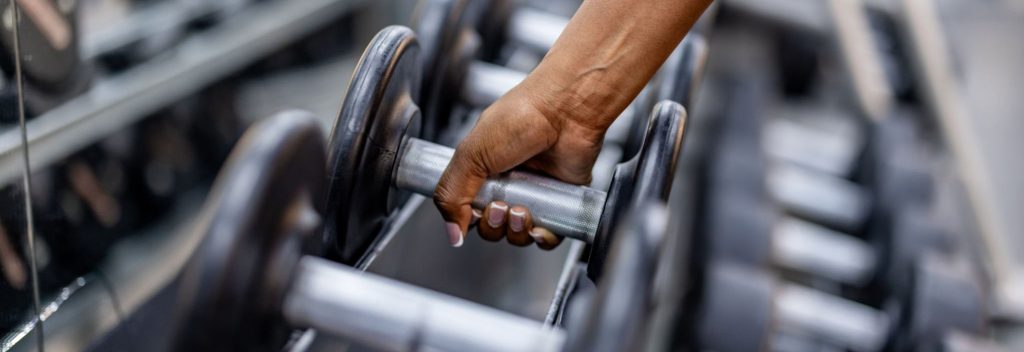
For decades, the fitness industry has championed heavy lifting as the gold standard for strength training. And while high-load resistance exercise remains a powerful and effective method for building maximal strength, emerging research over the past 10–15 years has shown that high-repetition, low-load strength training (LLHR)—when done with the right intent—can also produce meaningful improvements in strength, muscular endurance, hypertrophy, and overall fitness.
 This evidence has powerful implications for fitness professionals working with diverse populations, especially women, active agers, and individuals managing joint issues, chronic pain, or movement limitations. Lighter-load strength work can be not only effective but often safer, more accessible, and more enjoyable.
Below is a deeper look into five important studies that support high-rep/low-load training, along with a clear translation of how to apply this research in real-world programming.
- Schoenfeld et al. (2017): Low Loads vs. High Loads — What Really Matters?
In a landmark meta-analysis of 21 studies, Schoenfeld and colleagues compared low-load training (<60% 1RM) to high-load training (>60% 1RM) performed to muscular failure. Their findings reshaped the industry:
Key Outcomes
- Maximal strength: Heavier loads still produced greater improvements in 1RM performance.
- Muscle hypertrophy: No significant differences between heavy and light loads when training was performed to near failure.
- Endurance: Several included studies showed improvements in muscular endurance favoring lighter loads.
- Safety and adherence: Adverse effects were rare and adherence remained high (~87%) for both types of training.
Why It Matters
This study establishes that effort, not just weight, drives muscle growth—and for many clients, lighter loads are safer, more accessible, and equally productive for aesthetics and functional fitness.
- Balachandran et al. (2023): Older Adults Respond Well to Lighter Loads
This pilot study evaluated lighter-load strength training in middle-aged and older adults. Compared to traditional 8–12 rep protocols, participants in the 20–24 rep range demonstrated:
Key Outcomes
- Strength-endurance: Significant improvements in repetitions completed at moderate loads (average +8 reps).
- Muscular adaptations: Light‐load training produced meaningful improvements, though study authors noted results were exploratory.
- Power: Minimal differences between groups.
- Psychological responses: Similar perceptions of efficacy and enjoyment.
Why It Matters
For active agers—a fast-growing fitness demographic—lighter loads may be not only effective but preferable, especially due to joint considerations, fear avoidance, or orthopedic limitations.
- Bernárdez-Vázquez et al. (2022): Low Loads Can Still Build Strength and Muscle
This systematic review examined how different training variables affect outcomes. One of its strongest conclusions:
Key Outcomes
- Loads <60% 1RM can produce substantial hypertrophy when sets are performed with effort.
- High-load training still delivers superior results for maximal strength.
- Lighter loads may enhance adherence and reduce injury risk.
 Why It Matters
This review supports the idea that functional strength—the type the average client actually needs—does not depend exclusively on heavy lifting. For endurance, muscle tone, and functional capacity, lighter loads are powerful.
- Grgic & Schoenfeld (2020): Muscle Fiber Growth Occurs Across Loads
This meta-analysis analyzed muscle fiber hypertrophy (Type I and Type II fibers) in low-load vs high-load training.
Key Outcomes
- Fiber hypertrophy: No statistically significant differences between low- and high-load conditions.
- Strength: Higher gains still occurred with heavy loads.
- Population: Mixed-age and varied training backgrounds.
Why It Matters
Low-load training meaningfully stimulates both slow-twitch and (when trained close to failure) fast-twitch fibers—important for fitness professionals designing programs for endurance, muscle sculpting, and joint-friendly training.
- Jim et al. (2023): Consistency Across 24 Studies
A large review evaluating strength and hypertrophy outcomes across load ranges found:
Key Outcomes
- In 10 of 24 studies, heavy loads produced greater strength gains, but hypertrophy remained comparable across loads.
- Across studies, low-load training carried fewer orthopedic risks.
- Lighter loads produced excellent results for general fitness and functional outcomes.
Why It Matters
This broad review reinforces consistency across research: lighter loads build muscle, improve endurance, and provide a safer alternative for many clients.
Do High-Rep/Low-Load Programs Burn Fat?
While most studies focus on strength and hypertrophy, lighter-load training often involves:
- Longer time under tension
- Higher training volume
- Elevated cardiovascular demand

These factors contribute to increased caloric expenditure and, when paired with nutrition, can support fat loss. Research in this area is emerging, but physiologically the mechanism is sound.
Psychological and Adherence Benefits
Across studies, high-rep/low-load training consistently shows:
- Lower perceived threat
- Lower injury anxiety
- Higher enjoyment and confidence in new exercisers
- Better adherence and sustainability
This is especially meaningful for:
- Women intimidated by heavy weights
- Older adults
- Beginners
- Clients managing chronic pain or joint issues
How Fitness Professionals Can Apply This Research
Based on findings across all five studies, here’s how trainers and instructors can safely and effectively integrate high-rep/low-load protocols into their programming.
- Train Close to Muscular Fatigue
Intensity matters more than the actual load. Lighter loads should be used for:
- 15–25 reps
- 2–4 sets
- Near-fatigue by the final 3–5 reps
- Prioritize Form and Tempo
Lighter loads allow:
- Slower tempos
- Better neuromuscular control
- More joint-friendly range of motion
These benefits improve technique and reduce injury risk.
- Use Progressive Overload
Progress can be applied via:
- Increasing reps
- Adding sets
- Slowing tempo
- Reducing rest intervals
- Increasing load gradually
- Emphasize Muscle Endurance and Functional Strength
High-rep protocols excel at:
- Local muscular endurance
- Stability and joint integrity
- Core control
- Functional movement patterns
Perfect for women, older adults, and general population clients.
- Integrate Variety for Complete Programming
A balanced routine might include:
- Heavy-load days for maximal strength
- Lighter-load days for endurance and joint-friendly conditioning
This helps maximize results while reducing burnout and injury risk.
The belief that only heavy weights build strength is outdated. Across multiple studies—including meta-analyses, systematic reviews, and older-adult trials—evidence clearly shows that high-rep, low-load training can significantly increase strength, muscle size, and endurance, while also being joint-friendly and accessible to a wide range of clients.
For fitness professionals, this research empowers you to design programs that are not only effective but also inclusive, enjoyable, and sustainable—especially for the clients who need strength training the most. High-rep, low-load training isn’t a compromise; it’s a scientifically supported, results-driven approach that deserves a place in every well-rounded fitness program.
 About the Author: Sara Kooperman
Sara Kooperman, JD, CEO of SCW Fitness Education, WATERinMOTION®, and S.E.A.T. Fitness, Founder of the MANIA® Convention, sits on the canfitpro Advisory Panel and the Gold’s Gym Think Tank and was a founding board member for the Women In Fitness Association (WIFA). Recently nominated for the IDEA Fitness Leader of the Year Award, Kooperman won the Most Innovating Fitness Pro by FIT-C (Fitness Industry Technology Council). Sara is the best-selling author of FIT FOR BUSINESS, an inductee into the National Fitness Hall of Fame, an Illinois State Businesswoman of the Year, esteemed panelist for multiple Webinars & Podcasts, and sits on the ACSM Communication & Public Information Committee.

Powering Fitness with Positivity: Beyond Reps and Sets
By Jodi Heywood, MPA, Certified Fitness Instructor, Wellness Educator & Positive Psychology Practitioner
The fitness industry is undergoing a dynamic transformation. People now seek more than just a workout; they desire an experience that nurtures their entire being. Trainers and instructors who grasp the psychology of behavior change will be at the forefront of this exciting new chapter. Positive psychology equips us with the tools to go beyond counting reps and guide clients towards discovering meaning in their movement. So, as you step onto the floor, make your class plan or set your playlist, consider this: ‘How would my classes and clients transform if every participant left not only stronger but also more confident, positive and hopeful?’ That’s the remarkable power of blending science with sweat.
What Positive Psychology Really Is — and Why It Belongs in Fitness
 Positive psychology is frequently misconceived as mere ‘happyology.’ However, it’s a research-driven discipline that delves into the science of human flourishing, guided by the PERMA-V Model. This model emphasizes Positivity, Engagement, Relationships, Meaning, Accomplishment, and Vitality as key components. Through its insights, positive psychology empowers individuals to live ‘north of neutral,’ fostering true flourishing and well-being.
Many of the elements in this model are relevant to fitness professionals and can help clients stick with a training program, overcome obstacles, and build lasting habits. Fitness has always been about more than muscles. We help people set goals, overcome setbacks, and build confidence. Positive psychology gives us a language and framework to amplify that work — making our classes and sessions more impactful, our relationships stronger, and our communities more connected.
There are some of the key positive psychology interventions that can directly inspire our training and teaching:
- Strengths-Based Coaching
When clients recognize and use their strengths, their confidence grows. Building in exercises that clients are good at will help them feel good about themselves. As trainers and instructors, we can also highlight moments of perseverance, consistency, or grit during a workout. “You showed up even when you didn’t feel like it — that’s commitment.” These simple reflections reinforce intrinsic motivation and make clients more likely to keep going.
- Cultivating A Growth Mindset
Embracing a growth mindset involves recognizing that abilities can be developed through dedication, effective strategies, and insightful feedback. By viewing plateaus or challenges in the fitness journey as opportunities for growth rather than setbacks, we empower our clients to build resilience. Instead of focusing on missed personal records, inspire them with affirmations like, ‘This is the starting point for your next breakthrough.’ or ‘Look how far you’ve come already—you’re on the right track!’, and ‘Let’s focus on progress, not perfection. Every bit counts.’ This shift in perspective encourages continuous progress and instills a powerful sense of optimism and perseverance.
- Hope and Goal Setting
Hope goes beyond mere wishful thinking; it’s an empowering framework rooted in hope theory. This involves setting meaningful goals, mapping out clear pathways to achieve them, and fostering a strong belief in your ability to succeed. As trainers and instructors, you’re skilled at transforming grand objectives into manageable, actionable steps. Positive psychology enriches this practice with intentionality, encouraging you to break down programs into progressive steps. This approach not only enhances the feeling of success but also instills a sense of hope and confidence in reaching their goals.
- Resilience Training
Every client will face setbacks, whether it’s a missed workout, a challenging day, or progress that’s slower than anticipated. Positive psychology provides us with the tools to help them bounce back stronger. By encouraging clients to view setbacks as temporary, specific, and solvable, we empower them with the resilience needed to persevere. Reminding them of past triumphs over challenges reinforces their resilience and reinforces the idea that they possess the tools to continue moving forward toward their goals
- Belonging and Connection
 Cultivating a sense of community is crucial for client retention in group fitness—people come for the workout but stay for the camaraderie. To harness this in your training, actively build authentic relationships by using inclusive language, fostering meaningful connections, and celebrating successes. Encourage clients to share their experiences and listen empathetically to their stories, making them feel seen and heard. By integrating these practices, you can significantly boost their commitment to their fitness journey. Positive psychology teaches us that empathy, active listening, and shared experiences are key. By intentionally nurturing these bonds, you create an environment where clients not only achieve their physical goals but also grow emotionally and socially. This approach transforms connection into a powerful motivator and a secret superpower for fitness professionals.
You don’t need a degree in positive psychology to weave its principles into your sessions. Here are some additional small, intentional actions can create powerful ripple effects:
- Mindset Moments: Begin or end each session with a reflective prompt, a strengths-focused question, or a brief gratitude cue. For example, asking, “What’s one thing you’re proud of from today’s workout?” sets a positive tone and encourages reflection.
- Empowering Language: Replace “you should” with “you can” or “look how far you’ve come.” Language shapes beliefs and fuels motivation. Emphasize positivity by highlighting what clients are doing well, shifting focus from limitations to possibilities.
- Celebrate Non-Scale Wins: Shine a light on victories beyond the scale, such as consistent attendance, mastering a new form, or overcoming a tough day. This reinforces the value of effort and progress in all forms.
- Ask Empowering Questions: Encourage introspection with questions like, “What made this feel strong?” or “What’s one strength you used in today’s workout?” or “How did you show up for yourself today?” These questions build self-awareness and agency.
- Foster Micro-Connections: Strengthen community bonds through partner work, team challenges, or shared celebrations. These connections enhance the sense of belonging and encourage clients to return.
These micro-interventions require no additional time or equipment, yet they significantly transform the client experience. By fostering a supportive and motivating atmosphere, you empower clients to not only reach their fitness goals but also experience personal growth and resilience. As these small shifts ripple through your sessions, they cultivate a community where every individual feels valued, inspired, and eager to continue their journey.
I’ll be offering a workshop titled ‘Tendencies for Training’ at SCW Boston in November. In this session, we’ll delve into ‘The Four Tendencies’ by Gretchen Rubin, exploring how understanding these tendencies can enhance connections and empower both ourselves and those we serve. By gaining insights into how we are uniquely motivated and driven to change (and create habits), you can create a more positive impact not only for yourself and your clients but also within your broader relationships.
Additional Resources:
- “Flourish” by Martin Seligman
- “The Four Tendencies” by Gretchen Rubin
- “Mindset: The New Psychology of Success” by Carol Dweck
- theflourishingcenter.com

About the Author: By Jodi Heywood, MPA, Certified Fitness Instructor, Wellness Educator & Positive Psychology Practitioner
Jodi Heywood is a Health, Wellness, and Positive Psychology Educator with over 30 years of experience in fitness and education. With a master’s from NYU and multiple certifications, she brings a science-based, engaging approach to wellness and group instruction. Jodi has developed and delivered impactful programs for healthcare providers, universities, and fitness professionals. Known for her energy, empathy, and innovation, she empowers audiences with practical tools to build resilience, connection, and whole-person well-being.
Take Action: Urge Congress to Support the Promoting Physical Activity for Americans Act
In communities across the United States, one of the most powerful tools for improving health isn’t a new drug or high-tech device — it’s movement. Physical activity reduces chronic disease risk, boosts mental health, supports healthy aging, and strengthens overall well-being. Yet far too many Americans still fall short of recommended activity levels. That’s why federal policy matters — and why we’re encouraging YOU to contact your elected officials and urge them to co-sponsor the Promoting Physical Activity for Americans Act.
This bipartisan legislation ensures that the federal government regularly updates evidence-based physical activity guidelines grounded in the latest research. These updates help policymakers, educators, health-care providers, and community leaders create environments that support active living for all ages and abilities.
Why This Bill Matters
- It improves public health on a national scale.
Physical inactivity contributes to billions of dollars in preventable healthcare costs every year. Regular, science-driven national guidelines help communities develop consistent and effective strategies that promote movement. - It supports equity in access to physical activity.
The Act requires that updated guidance include tailored recommendations for children, older adults, and individuals with disabilities — populations that often face greater barriers to staying active. - It’s a smart, cost-effective solution.
The bill focuses on producing and disseminating updated guidelines, making it a low-cost, high-value approach to preventive health that can influence schools, workplaces, and community programs nationwide. - It jump-starts coordinated action.
Federal guidance sets the tone for local change. When agencies and community leaders are aligned on best practices, programs are easier to implement, and results are easier to achieve.
What You Can Do Right Now
Your voice matters — especially when it comes to preventive health legislation. Here’s how you can help:
- Contact your U.S. Senators and Representatives.
Their office emails and phone numbers are available on their official websites. - Ask them to co-sponsor the Promoting Physical Activity for Americans Act.
- Share why this issue matters to you.
Constituents’ personal stories — whether you’re a parent, fitness professional, educator, or community member — help decision-makers understand real-world needs. - Request a follow-up.
Ask your legislator’s office to share their stance and let you know when they take action. - Spread the word.
Encourage colleagues, friends, and members of your fitness and wellness networks to reach out as well.
 Movement Matters — And So Does Your Voice
With rising rates of sedentary behavior and chronic disease, the need for coordinated, research-based physical activity guidance has never been greater. By urging Congress to co-sponsor this bill, you’re helping ensure that every community — schools, workplaces, neighborhoods, recreation centers, and more — has the information and momentum needed to make active living accessible, equitable, and achievable.
Take the first step today. Your outreach can help keep America moving — stronger, healthier, and more active for generations to come. Visit this ACSM website for a link to get started.

somaPWR: Where Real Transformation Happens
Rachel Friedman, MSW, HEART 500, YACEP
In the ever-changing world of health and fitness, the definition of “wellness” is evolving. It is no longer sufficient to focus exclusively on strength, cardiovascular endurance, or even flexibility. Today’s clients are seeking a more holistic experience—one that not only changes how they look, but also how they feel. The next evolution of fitness leadership lies in understanding and regulating the nervous system, integrating somatic healing, and addressing the internal drivers of external outcomes.
 The Missing Link: Nervous System Regulation
At the center of this shift is the nervous system—our body’s command center for stress, movement, healing, and recovery. Most fitness professionals are well-versed in the mechanics of the body: muscles, bones, fascia, and movement patterns. But how many are trained to understand the subtle language of the nervous system? The fight-or-flight response, vagal tone, and the regulation of emotional and physiological stress are now recognized as major contributors to fitness success or failure.
Clients often arrive to our sessions carrying stress, anxiety, trauma, or burnout. Without tools to regulate their nervous systems, even the most well-designed training plan can fall short. This is where somatic-based programming like somaPWR becomes essential. Somatic work gives clients the ability to shift out of chronic stress and into a state of safety and presence—making fitness not only more effective, but also more sustainable.
Understanding Somatics in Fitness
“Somatic” comes from the Greek word soma, meaning “the living body in its wholeness.” Somatic healing involves engaging the body as a gateway to mental and emotional balance. It moves us away from the conventional “fix your body” model and into a “listen to your body” model.
Somatic tools include breathwork, sensory awareness, mindful movement, and nervous system education. These practices empower clients to feel rather than just function—to become aware of how stress, trauma, and lifestyle patterns are showing up in their bodies and to shift those patterns in real time.
The Vagus Nerve: A Key to Emotional Fitness
The vagus nerve is a vital piece of this puzzle. Known as the “wandering nerve,” it travels from the brainstem through the throat, heart, lungs, and into the gut. It’s responsible for regulating the parasympathetic nervous system—the “rest and digest” mode that counters the stress-driven “fight or flight.”
Vagal tone, or the strength of vagus nerve signaling, is now understood as a biomarker of mental and physical well-being. Clients with low vagal tone may experience chronic anxiety, digestive issues, inflammation, fatigue, and difficulty recovering from workouts. On the flip side, strong vagal tone supports recovery, resilience, calm, and emotional stability.
SomaPWR teaches coaches and instructors how to increase vagal tone through simple but profound techniques: nostril breathing, dynamic breathing, spinal movements, shaking, stomping, and bilateral stimulation. These tools create a foundation of regulation that amplifies every other fitness modality.
Trauma-Informed Fitness: A New Gold Standard
Another core component of somaPWR is trauma-informed education. Trauma doesn’t only refer to catastrophic events—it can include chronic stress, illness, burnout, discrimination, or childhood neglect. Unresolved trauma can manifest as pain, reactivity, injury, and disconnection from the body.
Trainers often encounter clients who push past pain, disassociate during sessions, or self-sabotage their goals. Trauma-informed training offers a new lens. Rather than viewing these behaviors as “noncompliance” or “lack of discipline,” trauma-informed coaching recognizes them as protective adaptations.
By creating environments that prioritize safety, autonomy, and connection, fitness professionals can foster genuine transformation. SomaPWR provides frameworks for cueing, touch, programming, and pacing that respect each client’s nervous system and history.
 Science Meets Spirit
One of somaPWR’s greatest strengths is its evidence-based foundation. As a program created by a clinical social worker with decades of experience in yoga and somatic therapy, every tool is rooted in neuroscience, physiology, and psychology. Yet somaPWR does not neglect the spirit.
Healing, after all, is not just a biological process—it is a personal, soulful journey. Through mindful sequencing, heart-centered coaching, and embodiment rituals, somaPWR honors the full spectrum of what it means to be human.
This balance of science and spirit makes the training accessible and powerful across a range of fitness professionals—from personal trainers and yoga teachers to wellness coaches, bodyworkers, and therapists.
Real-World Applications for Fitness Pros
SomaPWR is designed to enhance—not replace—what you already do. Whether you run bootcamps, Pilates sessions, group fitness classes, or private coaching, the tools in this course can be woven into your current offerings.
Here are just a few ways somaPWR graduates use the tools:
- Begin sessions with grounding breathwork to improve client focus and reduce anxiety.
- Teach clients how to regulate before or after intense workouts for better recovery.
- Support emotional release through movement patterns that work with—not against—the nervous system.
- Help trauma survivors feel safe in their bodies without pushing or retraumatizing.
- Add somatic practices through sessions, creating a truly holistic fitness plan.
 Post-Pandemic Needs, Long-Term Impact
While somaPWR was not born from the COVID-19 pandemic, it is especially relevant in its wake. The global crisis has left many people with residual trauma, chronic stress, and nervous system depletion. Now more than ever, clients are craving inner stability, deeper resilience, and tools for mental well-being.
SomaPWR equips fitness professionals to meet those needs—not with platitudes, but with real, embodied practice. As the fitness industry shifts toward mental health integration, somaPWR stands at the forefront.
Join the Movement
SomaPWR is more than a certification. It’s a call to elevate your practice, expand your impact, and be part of a new paradigm in fitness. Through Rachel Friedman’s expert guidance, supportive community, and evidence-based curriculum, you’ll walk away not only transformed—but ready to be a catalyst for transformation in others.
Whether you’re looking to differentiate your brand, increase client retention, or simply offer more meaningful services, somaPWR offers the knowledge, tools, and heart-centered practices to help you lead with purpose in a rapidly changing world.
 About the Author: Rachel Friedman, MSW, HEART 500, YACEP
Rachel Friedman, founder of The Soma School and somaPWR, helps leaders build profitable businesses through yoga, somatics, and transformational strategy. With 25+ years of experience, she guides entrepreneurs to break limitations and create successful enterprises while embodying their authentic power.

From Trainer to Transformational Expert: How Stretch Therapy Can Expand Your Impact and Income
By Evans Armantrading Jr. – Founder, CNU Stretch
Personal training is evolving. It’s no longer just about sets and reps—it’s about results that last beyond the gym. As a trainer, you already help your clients move better, feel stronger, and reach goals. But what if you could also help them recover faster, reduce pain, and keep coming back—all while increasing your income and value?
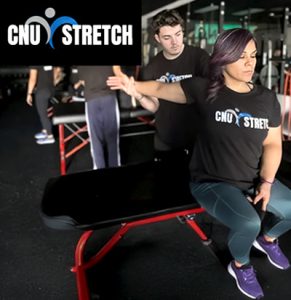 That’s exactly what stretch therapy is doing for personal trainers across the country.
Why Recovery Is the Future of Personal Training
The days of “no pain, no gain” are over. Clients want smarter workouts—and smarter trainers.
Stretch therapy has become a powerful complement to traditional training because it solves the problems that clients often don’t know how to articulate:
- “I feel tight all the time.”
- “My back/knee/hip keeps flaring up.”
- “I love training, but I’m constantly sore.”
These are recovery issues, not strength issues.
By integrating stretch sessions into your programming, you position yourself not just as a trainer—but as a complete wellness professional. And in a crowded field, that distinction makes all the difference.
The Stretch Advantage: For Your Clients and Your Career
Adding stretch therapy to your services gives you:
✅ Faster client results: Improved mobility enhances performance in every workout
✅ Better retention: Clients are more likely to stay loyal when they feel great after sessions
✅ Higher income: Stretch sessions can be priced separately or packaged into premium offerings
✅ Increased referrals: Happy, pain-free clients talk—and they bring their friends
✅ Career longevity: Reduce physical burnout with more variety in your services
From Trainer to Transformational Expert: How Stretch Therapy Can Expand Your Impact and Income
What It Takes to Add Stretch—The Right Way
Not all stretching is created equal. YouTube videos and weekend seminars won’t cut it when your reputation is on the line.
To offer safe, effective, and professional stretch therapy, you need:
- A system backed by science—not trends
- Hands-on training that teaches you how to assess, adjust, and adapt in real time
- Support in packaging, pricing, and marketing your stretch services so clients understand their value
That’s why I created CNU Stretch—a proven certification and licensing program built by a trainer, for trainers.
Real Results from Real Trainers
Since launching in 2024, CNU Stretch has helped over 130 personal trainers and partnered with 25 gyms to elevate their offerings through stretch therapy. Many are earning an extra $2,000–$4,000/month by offering 30-minute stretch sessions 2–3 times per day.
One certified trainer shared:
“Stretching was the missing link. My clients move better, feel better, and stay longer. And I’ve doubled my income without adding more clients.”
 This Is Bigger Than Income. It’s About Identity.
You didn’t become a trainer just to count reps—you became one to change lives. Stretch therapy gives you another tool to do that.
It’s how you go from being “just a trainer” to a trusted wellness authority in your clients’ lives.
What’s Your Next Move?
If you’re ready to stand out, serve deeper, and scale your income with confidence, consider becoming a certified stretch therapist.
The market is growing. Clients are demanding more. And you already have the foundation—you just need the framework.
 About the Author: Evans Armantrading Jr.
Evans Armantrading Jr. is the Founder and CEO of CNU Stretch. A veteran fitness professional and USAF veteran, Evans has helped thousands of clients transform their health—and now helps personal trainers transform their careers through stretch therapy. Learn more: www.cnustretch.com
When the Teacher Becomes the Student: Learning from Participants in Senior Fitness Programming
By Bill Shuttic, MBA
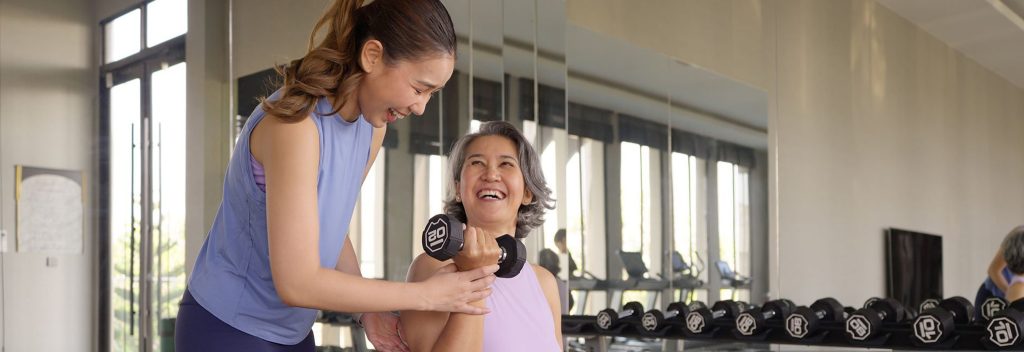
In the world of personal training, fitness professionals are often viewed as the definitive source of expertise in physical health and exercise. Clients rely on trainers for instruction, support, and direction in achieving their goals. However, one of the most powerful tools in a trainer’s toolkit is the ability to remain teachable. Experience reveals that some of the greatest insights do not come from textbooks or certifications, but from the very clients served—especially those in unique or specialized populations, such as toddlers, beginners, and seniors.
 Among these, senior participants offer a particularly rich learning opportunity. Individuals aged 60 to 80 (and beyond) bring a lifetime of physical and cognitive experience to the fitness environment. Yet with age comes changes in coordination, balance, mobility, and neurological function. It becomes critical for trainers to adapt their programming to meet the real-time needs of this demographic, not simply deliver a one-size-fits-all workout. In doing so, fitness professionals evolve not only as instructors but as learners as well.
Adapting Through Observation: Balance
One of the most common challenges faced by older adults is diminished balance. It is often reported by seniors themselves and easily observed in group fitness settings. Poor balance is not just a fall risk; it is a barrier to movement confidence and independence.
To address this, trainers can include balance exercises as part of each session. A safe and effective starting point is practicing single leg stands while holding a chair or wall for support. Cueing is crucial: instruct participants to align their nose, navel, and toes, gradually shifting their center of gravity. Once their weight shifts properly, the lifted foot will feel weightless, indicating they have found their balance point. Additional strategies include focusing on a stationary object on the ground and mentally engaging posture muscles by imagining a string gently lifting the top of the head toward the ceiling.
Small victories in regaining balance often build participant confidence and help foster a sense of progress, reinforcing the value of their continued effort in class.
The Surprising Struggles: Coordination and Left-Right Integration
Another unexpected area of difficulty for many seniors is coordination, particularly in executing movements that cross the body’s midline or require left-right integration. Trainers may be surprised to find that asking a participant to extend their left arm while lifting their right leg can present a real challenge. Similarly, movements such as opposite-hand-to-foot touches or crisscross patterns can expose deficits in neural communication and motor control that may not be evident in simpler activities.
Lunges provide an excellent vehicle to reintroduce cross-lateral movement patterns. Most people naturally walk with alternating limbs (left foot forward, right arm forward). But when performing lunges in class, many seniors revert to “same-side/same-side” movement. Highlighting this pattern through demonstration and cueing, followed by progressive practice of forward, side, and rear lunges with correct opposite-limb action, helps retrain and reinforce these essential movement pathways.
Adding a cognitive component by asking participants to verbalize which leg or arm they are using can also enhance brain-body integration. Over time, improvements in coordination often lead to more fluid movement and better overall functionality.
Progression Through Play: Reintroducing Jumping
Jumping, hopping, and skipping are often taken for granted in younger populations but pose significant challenges for older adults. Diminished leg strength, poor coordination, and fear of falling all contribute to hesitancy around ballistic movements. Yet, these movements are integral to maintaining agility, joint health, and muscular power.
A simple way to reintroduce jumping is by mimicking childhood play. Trainers can invite participants to pretend they are skipping like a child. Start with a basic weight shift, then lift the back leg forward. Encourage them to progress to a slight spring onto the toes, eventually leading to a small hop. Some participants may only be able to rise onto the balls of their feet, and that’s perfectly acceptable. Air jump roping with small, repetitive hops can also be a playful and low-risk method of reintroducing impact.
Using metaphors, humor, and nostalgia during these activities can reduce anxiety and increase enjoyment, making participants more likely to attempt and persist in challenging movements.
Combining Skills: Functional Combos
Once participants have developed baseline improvements in balance and coordination, trainers can introduce combination movements that challenge multiple systems simultaneously. For example:
- Skaters: Lateral hops with balance held briefly on one leg
- Forward and backward kicks without letting the foot touch the floor
- High knees with sustained leg hold
These exercises improve proprioception, dynamic balance, and strength, while also elevating the heart rate. Adding upper-body movement, such as arm circles or overhead reaches, increases the complexity and enhances total-body integration.
The key is progression and customization. What begins as a simple static balance drill can evolve into a dynamic, multi-directional exercise. Participants who once feared falling may come to enjoy the challenge, building both physical capability and confidence.
Programming Takeaways: The Functional Fitness Approach
 By listening to and observing students, trainers can develop classes that are not only safe but also effective and enjoyable. Functional Fitness for Active Seniors is a model that blends foundational skills—balance, coordination, jumping, and strength—with progressive structure. While each movement may seem simple in isolation, the cumulative effort delivers a robust cardiovascular and muscular workout.
Once the core skills are established, the introduction of light resistance (e.g., 1-2 lb. dumbbells) offers a natural progression in difficulty. This maintains the challenge and avoids the plateau that often accompanies repetitive programming.
From Trainer to Student and Back Again
Fitness professionals must continually adapt to the needs of the populations they serve. Seniors, in particular, offer a powerful reminder that learning is a two-way street. When trainers pay attention to what older adults can and cannot do, they gain invaluable insights into movement, cognition, and human capability.
In this way, teaching becomes an act of discovery. Through listening, observing, and adjusting, personal trainers not only deliver better outcomes for their clients—they also grow as educators, leaders, and lifelong learners.
 About the Author: Bill Shuttic
Bill Shuttic is a Certified Master Personal Trainer, Massage Therapist, Nutritionist, Herbalist, and Natural Health Practitioner. As Chief Health Officer at Ultimate Health & Wellness, he blends fitness, nutrition, and natural health to empower individuals. A martial artist, author, and speaker, Bill delivers engaging monthly presentations on diverse health topics, inspiring audiences to adopt balanced, healthier lifestyles.

Decisions That Define Your Fitness Career
By Jeff Melis
In the fitness industry, success rarely depends on where you start—it’s built on the choices you make along the way.
Some professionals begin their journey with a kinesiology degree, others through a weekend certification, and many simply out of a passion for movement and health. The starting line may look different for everyone, but what truly separates thriving fitness professionals from those who fade out is what they do after that first step.
 As the years pass, every trainer faces a defining moment: the need to specialize. It’s not enough to know a bit about everything—you must decide where to plant your flag and build expertise. That single decision often determines not just your career longevity, but your fulfillment, your income, and your ability to truly change lives.
The most common specialties—fat loss, bodybuilding, powerlifting, and athletic performance—are often the first that come to mind. They’re exciting, visible, and well-established. But each path comes with hidden limitations that can quietly stall a career.
Fat loss coaching attracts a massive audience, but that popularity comes with fierce competition. The space is flooded with social media influencers, online programs, and quick fix promises. Clients seeking fat loss often jump from trend to trend, making retention and long-term results difficult. Even for skilled trainers, progress is heavily influenced by nutrition compliance—a factor largely outside the gym’s walls.
Bodybuilding and powerlifting can be incredibly rewarding for those passionate about performance, but they appeal to a smaller, more committed segment of the population. These clients are often self-driven, and many prefer to coach themselves or find budget-friendly programs online.
Then there’s athletic performance training—the dream of many young coaches. Working with athletes can be exhilarating, but it’s often not as lucrative as it appears. Competitive sports are a high-status world, and many athletes expect free or discounted coaching in exchange for exposure. Paid positions are limited and breaking into professional or collegiate ranks takes years of networking and a touch of luck.
The truth is, while these specializations can be fulfilling, they don’t always offer sustainable growth. Trainers who build careers solely on these paths often find themselves trading time for money, struggling with burnout, or competing in over-saturated markets.
No matter the niche, every trainer eventually encounters the same reality: pain and injury are universal.
Clients come in to lose weight, build muscle, or boost performance—but sooner or later, aches, stiffness, and injuries creep in. It could be shoulder pain from bench pressing, a sore lower back after years of sitting, or knee discomfort that keeps them from running.
Pain changes everything. It shifts a client’s priorities overnight and becomes their most urgent concern. And when that happens, the trainer who understands how to address pain—not just work around it—instantly becomes invaluable.
This is where the true opportunity lies. Helping clients move pain-free isn’t just about physical recovery; it’s about restoring function and confidence. It’s about giving them back their ability to play with their kids, return to the sports they love, or simply wake up without discomfort. Those are life-changing wins that no aesthetic transformation can match.
Exercise therapy sits at the intersection of fitness and rehabilitation. It focuses on using movement—not medication or passive treatments—to correct dysfunction, reduce pain, and restore optimal performance. For fitness professionals, it represents an evolution: from coach to problem-solver, from trainer to trusted expert.
The demand for this expertise is enormous. Chronic pain affects most adults at some point in their lives, and traditional healthcare often fails to provide lasting solutions. While physical therapy and chiropractic care have their place, many people still need guided exercise and accountability to maintain results—and that’s where skilled exercise professionals can make the biggest difference.
When you can confidently assess function, identify the source of dysfunction, and create programs that help clients move and live without pain, your role expands far beyond counting reps. You become a go-to resource in your community—a professional people turn to when no one else has the answers.
The satisfaction is immense. Watching a client return to running after months of knee pain or helping someone lift without back discomfort for the first time in years, is far more rewarding than any physique transformation. And as your reputation grows, so does your business stability. Pain never goes out of style—people will always seek relief and restoration.
 For fitness professionals looking to expand into this space, education is key. Organizations like the Exercise Therapy Association (ETA) are helping bridge the gap between fitness and healthcare by providing advanced training to help fitness professionals become pain free training specialists.
As the industry evolves, the line between fitness and therapy continues to blur. Those who invest in the skills to address pain and dysfunction will lead the next generation of fitness professionals—ones who don’t just transform bodies, but restore lives.
In the end, it’s not where you begin that matters most—it’s the choices you make as you grow. Choose a path that challenges you, fulfills you, and allows you to make a real difference. Because the best trainers aren’t just chasing results—they’re helping people move, live, and feel better every single day.
 About the Author: Jeff Melis
Jeff Melis. The Exercise Therapy Association

BÜNDA: A Smarter Way to Train, A Stronger Way to Grow
By Mikey Estrella
 BÜNDA was born out of a bold idea: what if group fitness could be evidence-based, expertly coached, and actually focused on long-term results?
Founded by Katie Lilly, a certified strength coach with a Master’s in Exercise Science, and her husband Kevin, a longtime personal trainer, BÜNDA brings together science-backed programming, a passionate community, and a results-driven structure that’s unlike anything else in the group fitness space.
What Makes BÜNDA Different
At its core, BÜNDA is not another high-intensity, do-it-all bootcamp. It’s a lower-body focused strength training and StairMaster workout that prioritizes how you move just as much as how hard. Each class is 50–55 minutes and is carefully programmed to include progressive overload strength training paired with low-impact, high-intensity cardio.
That balance is intentional. Most workouts chase sweat for sweat’s sake. BÜNDA is designed to challenge your muscles, improve your form, and help you actually get stronger — while protecting your joints and avoiding burnout.
Every Station Has a Purpose
Members train at a fully equipped BÜNDA station for the entire class. Each station includes a bench, weights, resistance bands, and access to the StairMaster. It’s your space — no chaotic circuit switching or shared equipment. The setup is designed for seamless transitions, proper movement patterns, and structured progression.
Whether you’re new to strength training or an experienced lifter, your station is your home base — and it meets you where you are.
Certified Trainers. Real Coaching
One of the most defining aspects of BÜNDA is our commitment to certified trainers. While many group fitness studios don’t require formal certifications for instructors, we do — and for good reason. Every class is led by a trained fitness professional who is there to coach, correct, and customize your experience.
Whether it’s a small tweak in form, a heavier weight recommendation, or a smart regression to help you build confidence, our trainers are there to support you. It’s personal training in a group setting — with real eyes on you and real accountability.
Rooted in Science. Focused on Results
BÜNDA’s programming is built on the principle of progressive overload — the foundational method for gaining strength, building muscle, and making real changes in your body composition. Rather than random daily workouts, our classes follow a structure that allows you to improve over time. Movements are repeated and progressed, giving your body the opportunity to adapt and get stronger each week.
It’s not about doing something new every day — it’s about doing the right things consistently.
And while the name “BÜNDA” (which means “butt” in Portuguese) might suggest it’s all about the glutes, the reality is: glutes are just the starting point. You’ll train your entire body, with a heavy focus on legs and posterior chain — the muscles that support your spine, protect your joints, and power your everyday movement.
Who We’re For
BÜNDA is for people who are tired of workouts that feel random or extreme.
It’s for people who want real coaching, not just loud music. It’s for people who care less about chasing aesthetics and more about building sustainable strength and confidence.
Whether you’re postpartum, strength-curious, or looking for something that respects your body while still challenging it, BÜNDA meets you where you are and helps you move forward — stronger and smarter.
West Village: Your New Home Base
BÜNDA West Village is one of the newest additions to the BÜNDA family, and it brings everything that makes this method powerful to one of Dallas’ most vibrant neighborhoods.
Inside, you’ll find the signature BÜNDA stations, a team of certified trainers, and a community built on encouragement, education, and shared progress.
Whether you’re local to the area or looking to level up your training with a method that makes sense, West Village is a space where strength, structure, and support come together.
 Not Just a Workout — A Movement
BÜNDA is redefining what group fitness looks and feels like. It’s not about aesthetics. It’s not about extremes. It’s about education, coaching, structure, and results. And most importantly, it’s about giving people a space to grow stronger without the burnout.
As BÜNDA continues to expand across the country, one thing remains consistent: our commitment to training smarter, programming better, and coaching with purpose. This isn’t just fitness — it’s a method built to last.
Whether you’re here for strength, structure, or just a workout that finally makes sense, BÜNDA is ready to meet you at your station.
 About the Author: Mikey Estrella
Mikey is a passionate leader and studio opener within the BÜNDA community, with a deep belief in what smart, science-backed training can do for people’s lives. As someone who has successfully launched multiple BÜNDA locations, she brings firsthand experience, heart, and hustle to everything she does. Mikey is deeply committed to helping others feel strong, supported, and confident—both inside and outside the studio. Her mission is to make every person who walks through BÜNDA’s doors feel empowered and seen, no matter where they are in their fitness journey.

The Holiday Weight Gain Trap—and How to Help Clients Avoid It
By Amber Toole
Every year, fitness professionals see the same pattern: the holiday season arrives, routines shift, and clients quietly tuck their health and fitness goals away until January. Many people gain weight between Thanksgiving and New Year’s, and although this seasonal bump is usually just a pound or two, research shows that adults rarely lose it in the spring or summer. Over time, that “small” annual increase becomes far more meaningful. A well-known New England Journal of Medicine study found that holiday weight gain can account for up to 75% of the average annual increase—and much of it lingers a year later. Over a decade, those seemingly harmless couple of pounds can turn into an extra 10–20 pounds of body fat.
 This creeping weight gain can influence metabolic health, joint comfort, confidence, and overall motivation to keep moving. For coaches, however, it’s also an opportunity to educate, guide, and empower clients during a season when structure often slips. The holidays don’t have to derail healthy habits. With thoughtful planning and positive coaching, you can help clients enjoy celebrations while maintaining their progress and preventing a post-season rebound.
Clients thrive when they feel confident, prepared, and supported. During the holidays, encourage them to create a realistic plan rather than relying on willpower alone. One highly effective strategy is identifying the specific events where they truly want to enjoy holiday foods. This intentional approach helps avoid the “every occasion becomes a splurge” mindset.
It’s also worth reminding clients to eat normally leading up to celebrations. Skipping meals to “save calories” almost always leads to overeating later. Instead, encourage them to stick with consistent habits—prioritizing lean protein, colorful veggies, fiber-rich foods, and balanced meals so hunger signals stay steady throughout the day. Hydration plays a major role here as well. Drinking enough water supports digestion, appetite regulation, and energy levels, all of which reduce the likelihood of grazing or stress-eating.
Holiday social environments can present their own challenges. Without structure, many people drift toward alcohol, which adds empty calories and lowers inhibitions, making overeating more likely. Reinforcing the idea that alcohol is optional—not expected—can be a powerful mindset shift. Even simple strategies, such as stepping away from the buffet or snack table, help eliminate unconscious grazing and promote more mindful eating.
Movement remains one of the most reliable tools for keeping clients feeling grounded and in control. Strength training is especially beneficial this time of year. The more muscle a person has, the more efficiently their body utilizes carbohydrates due to increased glucose receptor activity. Maintaining a regular strength routine also helps preserve metabolism and energy levels, even when schedules tighten. Adding light walking after meals supports digestion, steadies glucose response, and reduces stress—an accessible habit for all fitness levels.
 Use conversations as an opportunity to coach your clients toward a season of success. Help them pinpoint which holiday events truly matter and guide them in developing personal guidelines for what they plan to eat and drink at those gatherings. Encourage planning, but also flexibility—progress, not perfection. This is a perfect time to introduce backup strategies, like pre-cooked meals, healthy snacks, and simple scripts they can use when declining alcohol or extra servings.
The holiday season doesn’t have to be synonymous with weight gain. When clients understand that small, consistent annual increases add up, they feel more motivated to stay proactive during this time of year. As fitness professionals, our influence extends far beyond exercise programming—we shape mindset, habits, and long-term behavior change. By teaching clients to enjoy special foods mindfully, maintain their strength routine, stay hydrated, and move consistently, we empower them to finish the year feeling strong, confident, and proud of their choices. We help them step into the New Year with a healthier body and a more resilient mindset.
 About the Author: Amber Toole
Amber Toole is a valued SCW Faculty member with over 33 years in the fitness industry. She holds a degree in Physical Education and Health from Georgia Southern University and specializes in fitness, nutrition coaching, and business development. Amber owns The Training Toole, a thriving fitness and nutrition studio in Ocala, Florida, and recently expanded to open a successful Pilates studio. Her passion continues to inspire healthier, fitter lives for all.

No-Bake Cranberry Pistachio Chocolate Energy Bites
Makes ~16 bites • Prep Time: 10 minutes
Ingredients
- 1 cup rolled oats
- ½ cup natural almond butter (or cashew butter)
- ¼ cup honey or pure maple syrup
- ¼ cup dried cranberries, chopped
- ¼ cup pistachios, chopped
- 2 tbsp ground flaxseed
- 2 tbsp cocoa powder
- 1 tsp vanilla extract
- Pinch of cinnamon
- Pinch of sea salt
- Optional: 2 tbsp dark chocolate chips
 Instructions
- In a medium bowl, mix almond butter and honey/maple syrup until smooth.
- Add oats, cranberries, pistachios, flaxseed, cocoa powder, cinnamon, salt, and vanilla. Stir until fully combined.
- If the mixture feels too dry, add 1–2 teaspoons of water.
- Roll into 1-inch bites and place on a parchment-lined plate.
- Refrigerate for at least 20 minutes to firm up.

 We’re always looking for great content highlighting the newest things in the world of fitness. Please submit your article directly to editor@scwfit.com for immediate consideration!