

HFA Show 2026: Stronger Together
Uniting the Industry to Advance Global Health
March 16–18, 2026 | San Diego, California
 After years of disruption and reinvention, the fitness industry is entering a renewed era of growth, innovation, and collaboration. The 2026 Health & Fitness Association (HFA) Show arrives at this pivotal moment, bringing together global leaders under a unifying theme: Stronger Together – Uniting the Industry to Advance Global Health.
Hosted in San Diego from March 16–18, the HFA Show 2026 will serve as a hub for education, connection, and future-focused dialogue. Club owners, operators, educators, and fitness professionals from around the world will gather to explore emerging trends, share best practices, and gain actionable strategies to thrive in an increasingly competitive marketplace.
One must-attend session in particular stands out for leaders focused on programming, engagement, and long-term success
Trends Shaping Large Group, Small Group and Personal Training Success
Monday, March 16, 2026
As consumer expectations continue to evolve and workforce challenges persist, fitness programming has become one of the most critical drivers of member retention, instructor engagement, and profitability. This forward-thinking panel session will examine how large group fitness, small group training, and personal training are being reshaped to meet modern demands.
Attendees will explore how innovative formats, technology integration, and personalized coaching models are transforming participation and results across clubs, studios, and community fitness organizations. The session is designed to deliver practical, operator-focused insight—providing ideas that can be implemented immediately to modernize offerings and strengthen member experience.
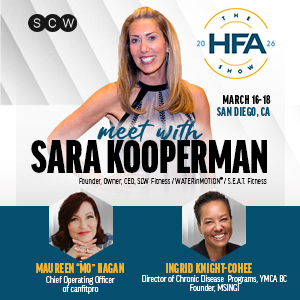
Leading the discussion is one of the most influential voices in global fitness education: Sara Kooperman, JD.
Why Sara Kooperman’s Perspective Matters
Sara Kooperman is the CEO of SCW Fitness Education, WATERinMOTION®, and S.E.A.T. Fitness, and a driving force behind some of the industry’s most impactful education platforms. Throughout her career, she has launched seven MANIA® conventions, six streaming conferences, and more than 40 certifications—collectively reaching over 100,000 fitness professionals worldwide.
A best-selling author of FIT FOR BUSINESS, Sara is known for her ability to bridge education, business strategy, and real-world application. Her leadership background includes serving as former CEO of Les Mills Midwest, participating on the Gold’s Gym Think Tank, and contributing to the canfitpro Advisory Panel and the American College of Sports Medicine Communications and Public Information Committee.
With a law degree from Washington University, studies at King’s College, Cambridge, and recognition as a National Fitness Hall of Fame inductee, Sara brings a uniquely comprehensive view of what drives engagement, retention, and profitability in today’s fitness landscape.
At HFA 2026, she will guide a timely conversation on how programming must evolve to stay relevant, profitable, and inspiring—for both members and instructors.
Session Focus: What’s Driving Success Now
This dynamic panel will explore key trends shaping the future of fitness programming, including:
- How large group fitness is being reimagined to increase participation, energy, and community
- Why small group training continues to deliver strong financial performance and high engagement
- How personal training is evolving through hybrid delivery, tech-supported coaching, and community-based models
- Programming strategies that improve instructor longevity, boost retention, and deliver measurable member results
Rather than focusing on theory alone, the session emphasizes real-world solutions designed to help operators adapt quickly and confidently.
An Expert Panel with Global Perspective
Joining Sara Kooperman on stage are two internationally respected leaders whose expertise adds depth and diversity to the discussion.
Maureen “Mo” Hagan – Chief Operating Officer, canfitpro
With nearly four decades of experience in the health and wellness industry, Maureen “Mo” Hagan is a trusted authority in fitness education and professional development. As Chief Operating Officer of canfitpro, Canada’s leading fitness education organization, she oversees national certification standards and initiatives focused on elevating the profession.
A trained physiotherapist, Mo combines clinical knowledge with hands-on industry leadership. She is widely recognized for advancing quality education, inclusivity, and lifelong learning across the global fitness community.
Ingrid Knight-Cohee – Director of Chronic Disease Programs, YMCA BC, Founder, MSINGI®
Ingrid Knight-Cohee brings more than 30 years of leadership across corporate and non-profit health sectors. As Director of Chronic Disease Programs at YMCA BC, she leads innovative, equitable wellness initiatives focused on long-term health outcomes.
She is also the founder of MSINGI®, the world’s first Afrocentric functional movement practice, designed to make movement joyful, culturally grounded, and accessible. Ingrid’s work reflects a deep commitment to community-centered fitness and inclusive programming.
 A Session Operators and Educators Shouldn’t Miss
This panel is designed for club owners, program directors, and fitness professionals who are ready to move beyond recovery and into strategic growth. Attendees will gain insight into how to:
- Align programming with today’s member expectations
- Strengthen instructor engagement and retention
- Connect education, experience, and revenue more effectively
- Prepare their organizations for the next phase of industry evolution
With Sara Kooperman leading the conversation, participants can expect a thoughtful blend of big-picture vision and practical, on-the-ground strategies.
Mark Your Calendar
Trends Shaping Large Group, Small Group and Personal Training Success
Monday, March 16, 2026, | 2:15–3:15 PM
Health & Fitness Association Convention | San Diego
One hour. One stage. Insight from leaders shaping the future of fitness—together.



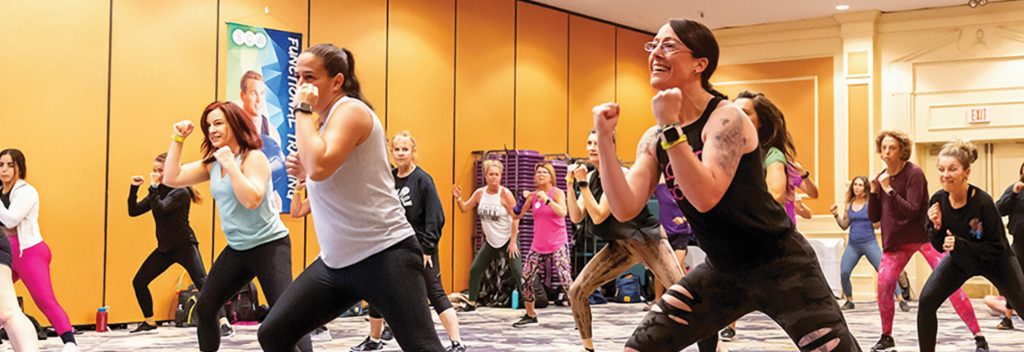
10 Things I Learned at 2025 SCW Fitness Professional’s Convention That Can Help You Now
By Lea Genders
I spent last weekend at the SCW Fitness Professional convention, Dallas Mania, and came home exhausted but energized (which sounds suspiciously like an Alanis Morissette lyric). I’m ready to continue to serve my clients and community with a fresh reminder of what works and new insights into the science and trends shaping our field.
 The best way to learn and retain information is to teach it. Writing this blog post is as much for me as it is for you. Putting the lessons into words helps me process what I experienced this weekend and gives you something useful to apply right away.
When I think back to my first fitness conference more than ten years ago, I remember feeling a mix of excitement and intimidation. I scribbled notes furiously, worried I would miss something important. This year at SCW, the experience felt different in the best way. I still learned plenty, and I noticed how much confidence I have gained since those early days.
The best part of any event like this is still the conversations. Often, I made random connections in hallway chats and coffee lines. Collaborating with other fitness professionals always leaves me motivated and ready to serve better.
All of those moments set the stage for the sessions that left the biggest impression. Here are ten practical lessons I brought home, and how you can put them to work right now.
1. Balanced nutrition still wins
The session “Mastering Macros” reinforced nutrition fundamentals. The presenter opened with a joke about once getting a bad review on her session because someone said it was just a repeat of what they already knew. She laughed and said, “Well, sorry, nutrition science doesn’t change that much.” It’s always helpful to review the basics. Most people feel and perform better with a reasonable balance of carbohydrates, protein, and fat. Carbohydrates fuel daily life and training. Protein supports muscle, metabolism, and satiety. Fat supports hormones and vitamin absorption.
The presenter urged active individuals, especially as they get older, to aim for the higher end of the protein range since most people fall short. She also emphasized that diets limiting carbohydrates or fat are often too restrictive to follow long-term.
The conversation also highlighted calorie balance. While many factors influence weight, regularly eating beyond your needs makes fat loss difficult. Food tracking is a tool for awareness. Seeing your intake on paper (or in an app) can highlight habits such as extra sugar in drinks, portions that have crept larger over time, or snacks that don’t provide much staying power.
Use it today: Write down everything you eat for one day. Don’t change your choices; the purpose is to notice them. Look at your balance of protein, carbs, and fat, and check labels for added sugars. Then make one swap that improves the balance, like Greek yogurt instead of a higher sugar, lower protein option, or water instead of soda.
2. GLP-1 medications are reshaping fitness, and empathy is essential
In the session “Supporting Clients on Anti-Obesity Medications,” Ann Gilbert spoke about the rise of GLP-1 medications and how they influence training. These medications slow digestion, reduce appetite, and change hunger hormones, which can lead to significant weight loss. In the STEP I study, the average loss was thirty-eight pounds, and about forty percent of that loss came from lean tissue. That’s where fitness comes in. Without strength training, people risk losing not just weight but also muscle and bone density.
Ann’s women’s club in Tampa responded by creating programs like Bone in Check for osteoporosis and SEAT for ageless strength. She also pointed out that only about 20 percent of adults in states like Texas and Florida are in traditional gyms. That makes it even more important to reach people where they are and help them form exercise habits that last.
A point I especially appreciated was her reminder that empathy is a coaching tool. Many clients on GLP-1s are navigating uncomfortable side effects and major life changes. Approaching them with understanding builds trust and keeps them engaged.
Use it today: Whether you’re on a GLP-1 or not, commit to two strength sessions this week. Anchor each with a protein-rich meal. And whether you’re a coach or not, practice empathy and curiosity, rather than judgment. Ask how your clients feel and adjust the plan so they succeed with consistency.
3. Women’s hormones shape training
In “Women: Training Through the Stages,” Melissa Lane explained how hormones influence performance and recovery across the menstrual cycle and into menopause. Menopause is a single day after twelve months without a period. The years before and after bring the bigger changes. Estrogen acts as an anti-inflammatory hormone and helps women spare glycogen during endurance work. After menopause, estrogen levels drop by about half, which affects metabolism and long-term heart health.
Many people misunderstand cortisol, assuming it is always harmful. In reality, acute spikes are helpful. They mobilize energy, sharpen focus, and support the body in short-term stress or exercise. The concern is when cortisol remains elevated for too long. Since it peaks about thirty minutes after waking, fasted early-morning training can add unnecessary strain for some women. A small pre-workout snack helps buffer that stress and supports performance.
Melissa also encouraged women to think ahead for bone health. Lifting heavier in your forties provides a cushion against bone-density losses later in life. She also shared a low-impact treadmill option for those who want a structured cardio challenge to improve VO₂ max : the 12/3/30 workout. On a treadmill, walk at 12 percent incline, at 3 mph, for 30 minutes while pumping your arms (not holding on, if that is possible for you).
Use it today: If you train early, eat something small first, such as half a shake, toast with nut butter, or a banana. Consider lifting heavier in your 40s (or earlier) to support bone health. And if you need a new cardio challenge, try the 12/3/30 treadmill workout and track how you feel.
4. Mindset, purpose, and self-talk drive consistency
The Keynote Address delivered by Rustin Webb was one of the most impactful sessions centered on the mental side of health. Rustin stressed that fitness outcomes are not only about movement or nutrition. Mindset plays a significant role in great results, and ignoring it causes even the best training plans to fall short.
He spoke about how people often wait for motivation before taking action, but motivation is unreliable. It rises and falls with energy, mood, or convenience. What carries people forward is a clear sense of purpose and the way they speak to themselves each day. Purpose connects daily habits to something that matters. Self-talk either supports those habits or undermines them.
Discipline builds the same way strength builds, through repetition. Each time someone follows through, even in a small way, they lay down another brick in the foundation. Purpose and supportive self-talk make it easier to take that next step until discipline feels natural.
He also pointed out how coaches and leaders can set the stage by creating an environment where people feel capable and valued. Coaches use accountability tools like check-ins and reminders, but these tools work best when they pair them with encouragement and a belief in the client’s ability to succeed.
Use it today: Write down one sentence that captures why your health matters. Post it where you will see it often. Pay attention to your inner dialogue. If you catch yourself thinking, “I can’t,” replace it with, “I am practicing.” That subtle shift keeps you moving forward and makes consistency easier to build.
5. Inflammation is not the enemy
 In the “Inflammation: The Exercise Nutrition Nexus” session, the presenter cleared up a common misconception. Inflammation itself is not bad. Acute inflammation is the body’s healing process. It helps repair tissue after a workout or an injury. The concern is chronic inflammation that lingers for weeks or months, which raises the risk of heart disease, stroke, certain cancers, Parkinson’s, and Alzheimer’s.
Markers like C-reactive protein predict heart disease risk better than LDL cholesterol, but clinicians often skip the test unless a diagnosis already exists. Lifestyle choices strongly influence these markers. High sugar, refined carbs, trans fats, and alcohol push them higher. Smoking and inactivity add to the load. On the other hand, aerobic exercise lowers them, omega-3 intake helps, and even a daily twenty-minute walk can make a measurable difference.
Use it today: Add one anti-inflammatory habit. Go for a brisk walk, swap soda for water, or include salmon, walnuts, or chia seeds with a meal. Small daily steps move the needle.
6. Strength and mobility don’t expire with age
The “Strength Training For Active Agers” panel on training older adults underscored that the core principles of strength training don’t change with age. Overload and progressive resistance still matter, but the application may look a little different. A recent study showed that performing one set to near fatigue can deliver up to 90 percent of the benefits of longer workouts. That is encouraging for anyone who feels pressed for time or hesitant to lift.
Mobility and stability are critical, especially in the hips, ankles, and thoracic spine. Without intentional work, these areas decline with age, and weakness directly increases the risk of falls and injuries. The presenters also reminded us of the five functional movement patterns everyone should maintain: hip hinge, squat, push, pull, and rotation. They also shared a sobering reminder that one in three older adults who suffer a hip fracture will not survive the year. That fact alone makes mobility and stability non-negotiable.
Finally, they reframed the common mindset around activity: you don’t play sports to get fit, you get fit so you can keep playing. I’ve heard this with running and it rings true. You don’t run to get in shape, you get in shape (in the gym) so you can run. Training with good form and intention allows you to keep doing the things you love safely.
Use it today: Pick one functional movement today, such as a sit-to-stand from a chair (squat pattern) or a dumbbell hinge, and do one set to near fatigue with perfect form. Add ankle circles, hip stretches, or thoracic spine openers for mobility training.
7. Presence creates progress
This “Art of Coaching” session was one of the most impactful for me, probably because I love coaching. The presenter told the story of how his small garage gym grew into two successful facilities that primarily serve adults over 50 with a philosophy of caring, connecting, and coaching. Every detail supported that core message: a 1:4 coach-to-client ratio so people felt guided, no mirrors on the walls so clients could focus on how they moved instead of how they looked, and a culture where everyone felt safe enough to try, even members who were 90+ years old.
His message was that presence matters more than perfection. Coaches need to be emotionally available, not distracted by sales or paperwork (or ego). Progress happens when people feel seen and supported, whether that’s in a workout, a workplace, or at home.
That lesson reaches beyond fitness. Presence is what allows any of us to grow, whether we’re leading a team, supporting a family member, or trying to stay consistent with our own health habits.
Use it today: Before your next workout, meeting, or conversation, put aside distractions and give your full attention to what you’re doing. Tune into how your body feels rather than chasing arbitrary numbers. Choose one clear focus for your task instead of scattering your energy. Presence builds progress, one small choice at a time.
8. Supplements are tools, not shortcuts
The “Nutrition: Hot Topic Research” session emphasized creatine as one of the most studied and reliable supplements available. The presenter explained that creatine supports recovery between sets, improves strength and power, and may benefit cognition. She noted that women naturally store about 70 percent of the creatine that men do, which makes consistent supplementation especially helpful. She recommended the monohydrate form and clarified that people do not need a loading phase or precise timing for it to be effective.
She then moved on to collagen. She said research shows collagen can support joint health, but she suggested choosing marine collagen rather than generic collagen peptides because marine collagen is a complete protein and contains all the essential amino acids. She stressed choosing a third-party tested supplement because the industry isn’t regulated. Companies can put anything on the label, and without third-party testing, you have no guarantee that the product contains what it claims.
She said that research backs up that alcohol interferes with recovery and muscle repair, and no amount is beneficial. Wine marketing often promotes flavonoids as heart-healthy, but she explained that you can get the same compounds from grapes without the risks.
Caffeine came up, too. It can give a helpful boost for focus and performance, but taking it too late in the day disrupts sleep and chips away at long-term progress.
The theme was clear: supplements can support your efforts, but they don’t replace the basics like sleep, strength training, and balanced nutrition.
Use it today: If supplements sound interesting, you may want to talk with your doctor or a registered dietitian about what makes sense for you. If you go down that path, stick to evidence-based choices, look for third-party testing, and remember that consistency with your core habits will always make the biggest difference.
9. Injury prevention comes down to the “terrible too’s”
The sports medicine session “Preventing Common Fitness Injuries” introduced the idea of the “terrible too’s”: too much, too soon, too fast, or too long. Most injuries fall into one of those categories. Early intervention can keep minor problems from becoming bigger ones.
The speaker also cleared up a common myth: most disc injuries do not require surgery. More than 90 percent improve with time and strengthening. MRIs often show normal age-related changes, and those changes are not always the source of pain. Breathing well during exercise, improving posture, and strengthening the muscles that stabilize the spine and shoulders are far more effective first steps.
One case study of a tennis player with shoulder pain highlighted the importance of scapular strength. Muscles like the rhomboids, lats, traps, and serratus anterior support the shoulder so it moves as it should. When those stabilizers are weak, pain and impingement become more likely.
Use it today: Check your training for the “terrible too’s.” Have you added more volume or speed than your body is ready for? Scale back slightly and give yourself time to adapt. Add one upper back exercise, such as rows or wall slides, to help offset the hours spent at a desk or on a phone.
10. Meditation is about noticing, not emptying
I ended the conference with Ellian Ham in a session, “Meditation Is My Medication,” that underscored how important it is to care for mental as well as physical health. She explained that meditation is not about clearing all thoughts. With thousands of thoughts running through our minds daily, that expectation is unrealistic. Instead, meditation is the practice of noticing thoughts without judgment and then returning to a focus point, such as breathing.
The benefits reach beyond relaxation. Research shows meditation can reduce stress and anxiety, lower blood pressure, decrease pain, and increase compassion. She emphasized that we do not have to identify with stress or anxiety as permanent conditions. Instead of saying, “I am anxious,” she suggested reframing it as, “I feel anxious right now.” That small change turns anxiety from an identity into a temporary experience, which makes it easier to manage.
Ellian highlighted how simple practices like focused attention meditation and mindfulness meditation give us tools to build resilience in daily life.
 Use it today: Try a short meditation session. Sit comfortably, breathe naturally, and when thoughts come, acknowledge them without clinging to them. Return to your breath each time. If you feel anxious, reframe it as a passing state instead of something permanent. Even five minutes of practice can help you feel calmer and more focused.
What Can You Take Away?
From macronutrient balance to hormone shifts, from medication to mindset, from inflammation to mobility, from supplements to meditation, the theme was clear: progress comes from small, meaningful choices you can start today. Track one meal and check the label for added sugar. Plan two lifting days. Eat a snack before your morning workout. Write your one-sentence why. Take a short walk after dinner. Practice one functional movement pattern with intention. Pay attention to the “terrible too’s.” Add one evidence-based supplement if it makes sense for your goals. Try five minutes of meditation.
A long weekend left me tired but grateful, filled with education, connection, and reminders that growth only comes when learning turns into action. The question is simple: what is one thing you’ll put into practice this week?
Questions? I’d love to help.
Lea
Special thanks to Lea Genders Fitness for publishing this article. You can view the original post here: 10 Things I Learned at 2025 SCW Fitness Professional’s Convention That Can Help You Now
 About the Author: Lea Genders
Lea Genders is a board-certified health coach, personal trainer, and workplace wellness consultant based in Fort Worth, TX. She offers corporate wellness programs for employee health and productivity, as well as in-person and virtual training / coaching for individuals worldwide. Her blog shares expert guidance on strength training, running, and sustainable nutrition @fortworth_trainer

To Sauna, or Not to Sauna?
By Christine Conti, M.Ed.
It seems like everywhere you turn there is a new “Sauna” business popping up or a different influencer on social media promoting their sauna experiences. But did you know that according to NIH, spending time in the sauna has tons of health benefits?
 Turn Up the Heat!
There’s something powerful about sitting still in the heat — not just for the mind, but for the body at a cellular level. When you step into a sauna, your core temperature rises, your heart rate increases, and your blood vessels dilate, improving circulation and oxygen delivery throughout the body.
This mild, controlled stress response — known as hyperthermic conditioning — triggers the release of heat shock proteins (HSPs), which protect and repair damaged cells, reduce inflammation, and enhance mitochondrial efficiency.
In other words, you’re training your cells to perform better, recover faster, and resist stress — a workout for your body’s inner systems.
Regular sauna use has been shown to improve:
- cardiovascular health
- lower blood pressure
- increase growth hormone production
- support longevity by promoting cellular resilience
For active individuals and athletes, sauna sessions can be a game-changer. Regular heat exposure increases plasma volume, helping your body regulate temperature more efficiently during workouts — a key advantage for endurance training or recovery between intense sessions. It can also aid in detoxification by stimulating sweat glands, flushing out heavy metals and waste products while promoting muscle relaxation and joint mobility. Think of it as another form of “active recovery” that supports the same systems you’re targeting in the gym: circulation, muscle repair, and energy metabolism. Just like exercise, consistent exposure builds adaptation over time — meaning, the more you use it safely, the more your body benefits.
That said, the sauna isn’t for everyone, such as individuals with:
- uncontrolled high blood pressure
- heart disease
- respiratory conditions
 Pregnant women, anyone with open wounds or active infections, and those prone to dizziness, dehydration, or fainting should also avoid or limit sauna exposure.
As fitness professionals, it’s our responsibility to educate clients that “sweating it out” isn’t a shortcut to fat loss — it’s a tool for recovery, resilience, and overall health when used wisely. Encourage your clients to hydrate well, limit sessions to 15–20 minutes and listen to their bodies.
The sauna can’t replace hard work — but it can help the body adapt to it more efficiently.
Read more about the benefits of sauna use at:
 About the Author: Christine Conti, M.Ed.
Christine is the CEO of FITFIXNOW, one of the leading online continuing education platforms in the world. She is an international fitness educator specializing in chronic diseases, IDEA World 2023 Fitness Instructor of the Year, founder of Conti Fit, and COO of Reinventing the Woman International. Christine is the best-selling author of SPLIT-SECOND COURAGE, a podcaster, a business coach, and a 4x IRONMAN. She currently guides Autistic and Down Syndrome athletes to complete marathons and IRONMAN races around the world. After a life-changing diagnosis at the age of thirty, this former investment banker and English teacher dedicated her life to help others believe that “anything is possible.”

Take the Next Step with SCW Fitness
This is YOUR year to grow, learn, and reconnect with your passion for fitness. Whether you prefer learning from home or alongside fellow fitness professionals, SCW Fitness has you covered in 2026 with inspiring virtual and in-person education designed to move your career forward.
 Our 2026 calendar is packed with traditional favorites, emerging trends, and forward-thinking research, movement, and choreography—all created to elevate both your professional skills and personal well-being.
Join Us Online—Learn from Anywhere
We continue the year with two exciting virtual events. Last year, the SCW Active Aging Summit brought together more than 200 fitness professionals online—and we’re building on that energy in 2026.
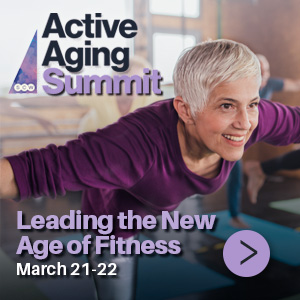
Active Aging Summit | March 21–22 | Live on Zoom
This two-day virtual event features 80+ activity and lecture sessions and offers up to 15 CECs/CEUs from NASM, NFPT, ACSM, ACE, AFAA, AEA, SCW, and more. Dive into the latest research on longevity, exercise, nutrition, brain health, and overall wellness while connecting with like-minded professionals from around the world.
Need to renew even more CECs/CEUs, but can’t get away? Live Stream MANIA® | April 18–19 is back and brings the high-energy experience of our in-person MANIA® conferences straight to your screen. Earn 12 CECs or add a pre-con certification to reach up to 20 CECs, all through live, interactive sessions on Zoom. Join us from your computer, tablet, or phone—no travel required.
Looking to expand your nutrition expertise? The Nutrition Coaching Summit | May 16–17 delivers 36 virtual sessions focused on food choices, coaching strategies, sleep, and total wellness. Register today and save!
Experience the Energy in Person
If learning live and in person lights you up, SCW’s signature events deliver unmatched education and connection.
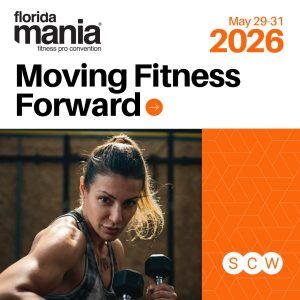
Florida MANIA® | May 29–31 | Caribe Royale Orlando
Choose from 200+ hands-on workshops and expert-led trainings while earning 20+ CECs/CEUs from SCW, ACE, AEA, ACSM, AFAA, and NASM. Learn from top industry leaders, expand your skill set, and network with fitness professionals who share your passion—all in one dynamic weekend.
 Round out an incredible year with even more opportunities to connect and grow, including the Aqua Exercise Summit (June 13–14), Atlanta MANIA® (July 31–August 2), Dallas MANIA® (August 28–30), Midwest MANIA® (October 2–4), and Boston MANIA® (November 13–15). Mark your calendars—there’s something for everyone.
Learn on Your Schedule
Prefer flexibility? Every SCW event offers the option to purchase recordings, so you can earn continuing education credits anytime, anywhere. Simply select the “Recordings Only” option when registering.
From our team to yours, we’re here to help you stay inspired, educated, and ahead of the curve.
SCW Fitness—the World’s Leader in Health & Fitness Continuing Education.
For more information and details on all our SCW Events, visit our website at www.scwfit.com/MANIA. We can’t wait to learn with you in 2026!
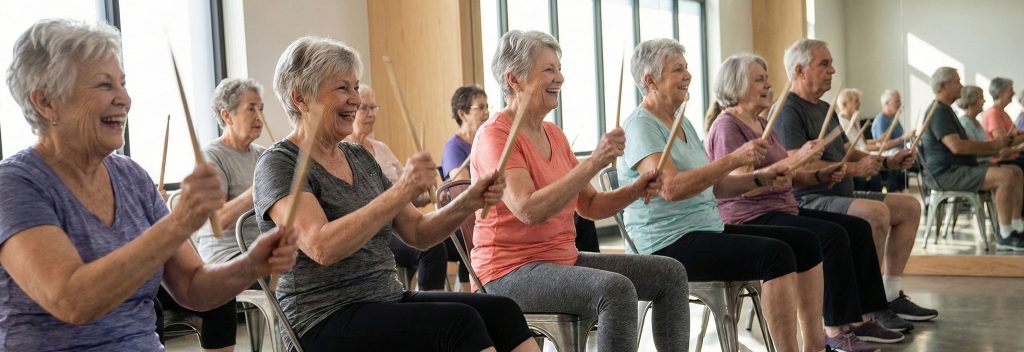
Elevating Active Aging Through Drumming and Mindfulness
By Emily Johnson
In 2026, the oldest members of the Baby Boomer generation are turning 80! With over 76 million Baby Boomers in the United States, this “silver tsunami” is creating a golden opportunity within the fitness industry.
 As the fitness industry continues to evolve, one thing is becoming increasingly clear: older adults are not just looking for movement. They are looking for meaning, connection, and experiences that support their whole well-being.
Senior Fitness programming has traditionally focused on physical safety, low-impact movement, and functional strength. While these elements remain important, today’s older adults are asking for more. They want classes that engage their minds, lift their mood, foster social connection, and make them feel confident and capable; not cautious or sidelined. Fitness professionals who understand this shift are discovering new ways to create classes that resonate deeply with older participants.
One powerful and often underutilized approach is the integration of rhythm and mindfulness through drumming-based movement. Rhythm is deeply wired into the human brain. From heartbeat to breath to walking patterns, rhythm governs how we move through the world. As we age, rhythmic movement becomes even more valuable, supporting not only physical coordination but also cognitive engagement and emotional regulation.
Drumming-based programming offers a unique opportunity to elevate older-adult fitness beyond exercise alone and into a truly engaging, whole-person experience.
Research shows that rhythmic activities can support:
- Coordination and motor planning
- Cognitive processing and attention
- Reaction time
- Bilateral movement and cross-body coordination
For older adults, these skills directly translate to everyday function helping them to navigate busy environments, maintain balance, respond to unexpected challenges, and move with greater confidence. When rhythm is introduced through drumming, it becomes accessible, playful, and non-threatening. Participants don’t need musical experience or perfect timing. There is no “right” or “wrong,” only participation. This removes fear of failure, which is one of the most significant barriers older adults face when entering fitness settings.
Engagement is one of the greatest challenges in Active Aging classes. Many older adults attend fitness programs not just for physical benefits, but for mental stimulation, enjoyment, and social interaction. When classes feel repetitive, predictable, or disconnected, attendance often declines, regardless of how safe or well-designed the exercises may be. Drumming changes the energy of a class almost instantly. Rhythm invites immediate participation, shared experience, and a sense of play. It encourages laughter, curiosity, and focus, keeping participants intellectually engaged rather than counting repetitions or worrying about physical limitations.
Drumming naturally fosters mindfulness. Not in a traditional, seated meditation sense, but through embodied awareness. When participants focus on rhythm, breath, and movement, they become anchored in the present moment. Mental chatter quiets, stress levels decrease, and a sense of calm emerges through motion rather than stillness. For older adults who may be unfamiliar with or resistant to conventional mindfulness practices, this approach feels intuitive and inclusive. It offers the benefits of mindfulness without requiring mats, meditation cushions, or abstract concepts.
Beyond individual benefits, rhythm has a unique ability to build connection. Social isolation and loneliness are significant concerns among older adults, impacting both physical and mental health. Fitness classes could be one of the few consistent social touchpoints in an older adult’s week. Drumming creates community quickly by leveling the playing field. When a group moves and creates rhythm together, barriers dissolve. Communication becomes nonverbal and inclusive, and participants feel seen, heard, and a part of something meaningful.
This sense of belonging is particularly important for older adults navigating life transitions such as retirement, changes in physical ability, or loss. A class that offers connection alongside movement becomes something participants look forward to, not just something they attend. Over time, this leads to improved adherence, stronger relationships, and more vibrant class communities.
 For fitness professionals, drumming-based mindfulness programming offers a versatile and practical tool that fits seamlessly into a wide range of environments, including gyms, community centers, and senior living settings. It requires minimal equipment, can be adapted for seated or standing participants, and works well with mixed ability levels. Rhythm-based activities can complement strength, balance, and cardiovascular training, enhancing existing programs rather than replacing them.
Perhaps most importantly, drumming allows instructors to stand out by offering something that feels innovative, inclusive, and deeply human. As the demand for Active Aging programming continues to grow, instructors who can engage the mind, body, and spirit will be best positioned to meet the needs of today’s older adults and tomorrows.
Understanding the benefits of rhythm and mindfulness is one thing. Experiencing them firsthand is another. In the upcoming Drumming for Active Agers session at SCW’s Live Stream MANIA, you’ll have the opportunity to participate in simple, accessible rhythm-based activities and explore how drumming can elevate engagement, coordination, cognition, and connection in older-adult fitness classes.
For instructors who are new to Active Aging or looking to expand their programming toolkit, rhythm may be the missing piece — one that brings joy, presence, and connection back to the heart of older-adult fitness.
Check out the schedule and register for Live Stream Mania®, April 18 -19th on ZOOM.
Visit our website for more information about StrongerU Senior Fitness and home to the DROM for Seniors Instructor Certification.
 About the Author: Emily Johnson
Emily Johnson is the Founder of StrongerU Senior Fitness. She is on a mission to innovate and elevate senior fitness globally by empowering fitness professionals to deliver high-quality senior fitness and active aging classes. Emily is an international trainer and conference presenter known for delivering dynamic sessions that give attendees “light-bulb moments” and tangible tools and resources to implement right away.

Antioxidants, Fitness, and Longevity
By Dr. Greg Caldwell
In the world of health and fitness, most conversations focus on calories, macronutrients, heart rate zones, or step counts. While these metrics are valuable, they only tell part of the story. Beneath visible performance and physique lies a quieter but equally important battlefield: the balance between oxidative stress and antioxidant protection at the cellular level. Understanding this balance is increasingly recognized as a cornerstone of fitness, recovery, and long-term health.
 Oxidative Stress: A Natural Cost of Living and Training
Oxidative stress occurs when reactive oxygen species (ROS) are produced faster than the body can neutralize them. These molecules are not inherently bad; in fact, they play essential roles in immune defense, signaling, and adaptation to exercise. The challenge arises when ROS production outpaces the body’s ability to manage them.
Exercise, especially high-intensity or long-duration training, increases oxygen consumption. More oxygen moving through mitochondria means more ROS generated as a byproduct. Add in psychological stress, poor sleep, environmental toxins, and ultra-processed foods, and oxidative stress can quietly accumulate.
For fitness-minded individuals, this means that training harder does not always equal training smarter. Performance gains depend not only on stimulus, but also on recovery and cellular resilience.
Antioxidants: The Body’s Defense Network
Antioxidants are compounds that neutralize excess ROS, helping maintain cellular integrity. The body produces some antioxidants endogenously, such as glutathione and superoxide dismutase, but many must come from diet. Vitamins C and E, carotenoids, polyphenols, and flavonoids found in colorful fruits and vegetables all play a role.
Carotenoids deserve special attention. These fat-soluble antioxidants accumulate in tissues and cell membranes, providing a reserve against oxidative stress. Unlike short-lived blood markers, carotenoid levels reflect longer-term dietary patterns and lifestyle habits.
Exercise Adaptation and the Antioxidant Balance
A common misconception is that more antioxidants are always better. In reality, balance matters. Small amounts of oxidative stress are necessary for beneficial training adaptations, signaling the body to build stronger muscles and more efficient mitochondria. Excessive supplementation with isolated antioxidants can sometimes blunt these signals.
The goal, therefore, is not to eliminate oxidative stress, but to maintain a healthy reserve that supports adaptation without tipping into chronic overload. Whole-food-based nutrition, rich in diverse plant compounds, aligns well with this goal. It allows the body to regulate antioxidant availability naturally, supporting both performance and longevity.
Recovery, Aging, and Cellular Health
As we age, endogenous antioxidant production declines, while cumulative oxidative damage increases. This helps explain why recovery often slows with age and why maintaining fitness requires greater attention to nutrition, sleep, and stress management.
For active adults and “active agers,” antioxidant status becomes a powerful lever. Adequate reserves support joint health, muscle recovery, vascular elasticity, and cognitive function. From a longevity perspective, these benefits compound over time, influencing not just lifespan but health span—the years lived with vitality and independence.
From Guesswork to Measurement
Despite the importance of antioxidants, most people rely on assumptions. “I eat pretty well” or “I take supplements” are common refrains, yet antioxidant status can vary widely even among health-conscious individuals. Training load, body composition, absorption, genetics, and stress all influence antioxidant needs.
This gap between intention and reality is where measurement becomes valuable. Just as wearable devices transformed how people think about movement and sleep, objective feedback on antioxidant status can reshape nutrition and recovery strategies.
Emerging tools now allow noninvasive assessment of antioxidant reserves, particularly carotenoids, in seconds. Rather than relying on sporadic blood tests or subjective impressions, individuals can track trends over time, linking dietary choices, training cycles, and lifestyle changes to measurable cellular outcomes.
 Looking Ahead: A More Complete Fitness Picture
Fitness is evolving from a purely performance-driven pursuit to a more integrated model that values resilience, recovery, and longevity. Antioxidants sit at the intersection of these goals. They are not a shortcut or a magic pill, but a reflection of how well daily habits support the body at its most fundamental level.
Toward the end of this spectrum, tools like Prysm iO are helping bring antioxidant measurement into real-world settings. By using validated biophotonic technology to assess antioxidant status and carotenoid reserve in about 15 seconds, such tools offer immediate, visual feedback without blood draws or lab delays. For fitness enthusiasts and longevity-focused individuals, this kind of insight can help align training, nutrition, and recovery with what the body actually needs.
In the future of health and fitness, the question may no longer be “How hard did you train?” but “How well are your cells supported to adapt, recover, and thrive?” Antioxidants—and our ability to measure and understand them—are becoming a key part of that answer.
 About the Author: Greg Caldwell, OD, FAAO
Greg Caldwell, OD, FAAO is an ocular disease specialist, educator, and advocate for integrative health and longevity. A Fellow of the American Academy of Optometry, he has participated in numerous FDA clinical trials and focuses on the role of nutrition, lifestyle, and prevention in long-term health and performance. Dr. Caldwell continues to see patients in Pennsylvania while lecturing internationally on the connection between cellular health, fitness, and aging.
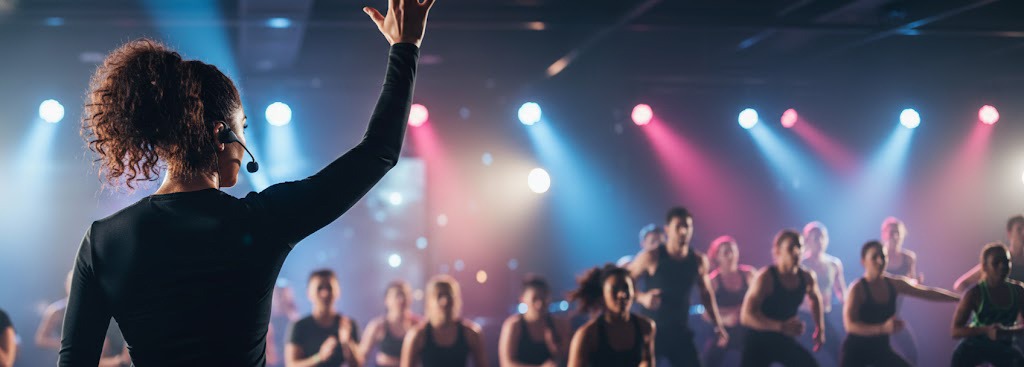
Elevate, Inspire, and Grow
As a fitness professional, finding ways to engage participants while standing out in a crowded industry is a constant challenge. SoulFUSION™Fitness offers an innovative solution: a music-driven, multi-format approach that combines rhythm, strength, and movement to create classes that participants love and instructors excel at teaching.
SoulFUSION™is more than a workout—it’s an experience. Its philosophy is simple yet powerful: fitness should be fun, challenging, and inclusive, blending science-backed movement with music and creative choreography. For instructors, this creates opportunities to deliver classes that not only improve participants’ strength, balance, and cardiovascular health but also foster engagement, community, and loyalty.
 Multi-Format Programming That Works for Any Instructor
SoulFUSION™ Fitness offers a range of programming options to fit different teaching styles and participant needs, making it a versatile tool in any instructor’s toolkit. Classes are designed to be accessible, adaptable, and scalable—whether you’re leading small studio sessions, community-based classes, or hybrid virtual programs.
SoulFUSION™ is the flagship program, integrating yoga-inspired flows, bodyweight and weighted strength training, cardio bursts, and balance work—all driven by rhythm and music. This hybrid approach allows instructors to engage multiple fitness components in a single class while keeping participants energized and motivated. It’s a full-body workout that feels dynamic and creative, giving instructors an edge in retention and participant satisfaction.
Other specialty formats include:
- SoulSTRENGTH™ – Focuses on resistance training, core conditioning, mobility, and rhythmic sequences. This class allows instructors to bring traditional strength work to life with music, pacing, and flow that keep participants moving safely and effectively.
- BarreFUSION™ – A ballet-inspired format emphasizing low-impact strength, toning, and balance. BarreFUSION™ gives instructors a tool to offer graceful, rhythmic movement that builds long, lean muscle while engaging participants both physically and mentally.
- SoulKICKBOXING™ – Combines cardio, kickboxing combinations, and rhythm-based strength training. Perfect for instructors seeking a high-energy, empowering class format that mixes skill, athleticism, and music-driven motivation.
Each format offers options for modifications and progressions, helping instructors accommodate varying fitness levels while maintaining class flow. This adaptability is particularly appealing for mixed-ability groups, senior populations, or participants recovering from injury.
Music and Rhythm: A Secret Weapon for Engagement
What sets SoulFUSION™ Fitness apart from many other programs is its strategic integration of music and rhythm. Music isn’t just a background element—it’s the driver of movement, timing, and energy in every class.
For fitness professionals, this is a gamechanger. Rhythm and music enhance engagement, make complex sequences easier to follow, and help participants stay present and motivated. When participants are immersed in movement synchronized with music, they are more likely to show up consistently, push harder, and leave class feeling accomplished.
From an instructor’s perspective, music provides cues that simplify teaching, reduce verbal overload, and elevate the energy of the room. It’s also an opportunity to cultivate your own style as a fitness leader, building a signature experience that participants will remember and seek out.
Instructor Education and Support
SoulFUSION™ Fitness doesn’t just provide programs—it supports instructors through The Choreography Club; a resource hub designed for professional growth and creativity.
The Choreography Club includes:
- Pre-choreographed class routines and music playlists
- Options for virtual and in-person delivery
- Professional development tools for skill refinement
- Access to an engaged instructor community
For instructors, this means less time spent creating programming from scratch and more time delivering high-quality, fun, and effective classes. It also allows new instructors to step into teaching with confidence and experienced instructors to continue evolving their skill set.
Michele Park, the creator of SoulFUSION™ brings decades of experience in group fitness education and choreography. Her vision emphasizes creativity, accessibility, and progression, ensuring instructors can teach safely while making classes feel fresh, fun, and impactful.
Why SoulFUSION™ Fitness Is Ideal for Fitness Professionals
- Stand Out in a Competitive Market – Offering music-driven, rhythm-based formats differentiates your classes from typical group fitness offerings. Participants are drawn to programs that feel innovative and engaging.
- Retention Through Fun and Flow – Classes that feel joyful and dynamic increase participant adherence, which is key to building a loyal client base.
- Versatility Across Audiences – SoulFUSION™ formats can be adapted for general fitness, older adults, mixed-ability groups, and even hybrid or virtual formats.
- Career Growth Opportunities – With The Choreography Club, instructor education, and ongoing support, fitness professionals can expand their skill set, credentials, and income potential.
- Evidence-Based Approach – SoulFUSION™combines scientifically grounded movement principles with creativity and music, allowing instructors to teach with confidence that their classes are effective and safe.
Virtual and In-Person Options for Maximum Reach
The modern fitness landscape demands flexibility. SoulFUSION™ Fitness offers virtual delivery options so instructors can expand their reach beyond studio walls. This hybrid capability is especially valuable for fitness professionals looking to:
- Build an online following
- Offer live and on-demand classes
- Maintain engagement during off-peak hours or seasonal slowdowns
In-person SoulFUSION™ classes bring the energy and community of group fitness to life, giving participants the social and motivational benefits that are difficult to replicate online. This dual approach ensures instructors can meet clients wherever they are, building a more resilient business model.
A Community of Leaders and Innovators
SoulFUSION™ Fitness also prioritizes connection. Instructors gain access to a community of like-minded professionals, sharing best practices, creative ideas, and professional support. For career-minded instructors, this network can be invaluable for mentorship, collaboration, and ongoing growth.
By joining SoulFUSION™, instructors become part of a movement that values creativity, connection, and participant experience above all else. Classes are not just workouts—they’re memorable experiences that motivate participants to move, return, and recommend your sessions to friends and family.
 Conclusion: Take Your Teaching to the Next Level
SoulFUSION™ Fitness is a compelling option for fitness professionals who want to elevate their classes, inspire participants, and grow their careers. Its multi-format programming, music-driven structure, and strong instructor support empower trainers to deliver high-quality experiences while differentiating themselves in a competitive industry.
Whether your goal is to increase retention, expand your skill set, or lead classes that participants rave about, SoulFUSION™ Fitness offers the tools, education, and creative inspiration to succeed. From SoulFUSION™ and SoulSTRENGTH™ to BarreFusion™ and SoulKICKBOXING™, instructors have a full suite of options to engage, challenge, and delight clients—all while building their professional brand and community.
For fitness professionals ready to move beyond ordinary classes, retention, expand your skill set, or lead classes that participants rave about, SoulFUSION™ Fitness provides the perfect platform to combine music, movement, and motivation—and leave a lasting impact on participants’ lives.
 About the Author: Amy Roeder
Amy Roeder is the Senior Editor, Harvard Chan Magazine; Senior Writer in the Office of Communications

Food Additive Decoded for Fitness Pros.
By SCW Staff
Food additives are substances intentionally added to foods to perform specific functions. They may prevent mold growth, extend shelf life, enhance flavor, improve texture, stabilize consistency, or add color. Additives can be single chemicals or complex mixtures, and they may be derived from natural sources or created synthetically. While “food additive” has a specific legal definition under U.S. regulations, the term is commonly used more broadly to describe nearly any substance added directly to food.
 From a consumer perspective, distinctions between categories such as “prior-sanctioned” substances, color additives, and ingredients classified as “generally recognized as safe” (GRAS) matter less than the overall question: Is this safe to eat? Thousands of chemicals are present in today’s food supply. Most are considered safe, but some warrant caution, and others may be problematic for certain individuals.
To help consumers navigate this complexity, the Center for Science in the Public Interest (CSPI) created the Chemical Cuisine database, a publicly available tool that evaluates the safety of food additives using current scientific evidence.
How Chemical Cuisine Rates Additives
CSPI reviews toxicological studies, epidemiological research, and exposure data to assess potential risks. It also examines safety evaluations from respected authorities such as the U.S. Food and Drug Administration (FDA), the European Food Safety Authority (EFSA), and the World Health Organization (WHO).
Based on this evidence, ingredients receive one of several ratings:
- Safe: Little to no health risk based on current evidence.
- Cut back: Not toxic, but widely overconsumed, contributing to poor nutrition (e.g., added sugars or sodium).
- Certain people should avoid: May trigger allergies or intolerances in sensitive individuals.
- Caution: Potential risk; more research is needed.
- Avoid: Unsafe at typical consumption levels or poorly tested and not worth the risk.
The ratings consider not only scientific findings but also research gaps, uncertainty, and potential impacts on vulnerable populations such as children or pregnant individuals.
Why This Matters in Fitness Settings
For fitness professionals, understanding food additives is not about creating fear around food. It’s about supporting clients in making informed decisions that align with their health, performance, and recovery goals.
Many clients already feel confused about nutrition. They may read headlines about artificial dyes, preservatives, or sweeteners but lack context. A trainer, health coach, or group fitness instructor can serve as a credible, balanced source of guidance.
Importantly, this conversation fits naturally into performance-focused discussions. For example:
- Highly processed snack foods may contain additives rated “cut back” due to high sodium or added sugar levels, which can impact hydration, blood pressure, and energy balance.
- Certain artificial colors or preservatives may cause sensitivities in a small percentage of clients, potentially affecting digestion or focus.
- Overreliance on ultra-processed foods may displace more nutrient-dense options critical for muscle repair and recovery.
Framing the discussion around performance, energy, and long-term wellness keeps the message constructive rather than alarmist.
Practical Ways Fitness Professionals Can Share This Information
- Teach label literacy during consultations.
Rather than handing clients a list of “bad ingredients,” show them how to read ingredient panels. Encourage them to notice the length of ingredient lists, identify added sugars, and look for recognizable whole-food components. Introducing them to tools like Chemical Cuisine empowers independent decision-making. - Focus on patterns, not perfection.
Help clients understand that occasional exposure to lower-rated additives is unlikely to derail their health. The goal is not elimination of every additive, but a dietary pattern centered on whole, minimally processed foods. This reduces additive exposure naturally. - Connect additives to client-specific goals.
If a client struggles with bloating, migraines, or skin irritation, suggest tracking potential triggers, including certain additives. If another client is training intensely, discuss how excess sodium or artificial sweeteners might affect hydration or gastrointestinal comfort during workouts. - Share credible resources.
Direct clients to evidence-based organizations rather than social media influencers. The Chemical Cuisine database provides clear explanations and can serve as a starting point for informed discussion. - Host mini educational sessions.
Group fitness instructors or gym owners can host short workshops on “Decoding Food Labels” or “Understanding Food Additives.” Keep the tone practical and solutions-oriented: swap ideas, simple grocery tips, and balanced meal examples. - Model balanced language.
Avoid labeling foods as “toxic” or “poison.” Instead, use phrases like “better everyday options” or “foods to limit.” This protects clients from developing unnecessary food anxiety while still encouraging smarter choices.
Navigating Regulatory Concerns
While the FDA is responsible for ensuring additive safety, critics argue that oversight is not always proactive. Some substances remain approved despite emerging concerns, and the GRAS system allows companies to self-affirm ingredient safety without formal FDA approval.
For fitness professionals, this underscores the importance of education without overstepping scope of practice. Trainers are not regulators or medical providers, but they can encourage clients to stay informed and advocate for transparency in the food system.
 Keeping the Message Empowering
Ultimately, the conversation about food additives should reinforce empowerment. Fitness professionals are uniquely positioned to bridge the gap between complex nutrition science and everyday behavior.
Encourage clients to:
- Shop the perimeter of the grocery store more often.
- Choose products with shorter ingredient lists when possible.
- Prioritize whole foods for most meals.
- Stay curious rather than fearful about unfamiliar ingredients.
By integrating additive awareness into broader nutrition coaching, fitness professionals can help clients reduce unnecessary chemical exposure while improving performance, recovery, and overall health.
Understanding food additives is not about eliminating convenience or striving for dietary perfection. It’s about informed choice. When fitness professionals present balanced, science-based information and practical strategies, they strengthen their role as trusted health advocates—and help clients build habits that support both immediate fitness goals and lifelong wellness.
Special thanks to Center For Science in the Public Interest for publishing this article. You can view the original post here: Chemical Cuisine: What’s in Your Food?


Creamy, Clean, and Better Than Store-Bought: Homemade Hummus
 Fresh homemade hummus is creamy, vibrant, and free from unnecessary additives. Made with simple ingredients like chickpeas, tahini, lemon, and olive oil, it delivers protein, fiber, and healthy fats. This easy recipe comes together in minutes and tastes far better than anything store-bought. Perfect for snacks, meals, or entertaining guests.
Ingredients
- 1 can (15 oz) chickpeas, drained and rinsed
- ¼ cup fresh lemon juice (about 1–2 lemons)
- ¼ cup tahini
- 1–2 cloves garlic
- 2 tbsp olive oil, plus more for drizzling
- ½ tsp ground cumin
- ½ tsp salt (to taste)
- 2–4 tbsp cold water (for extra creaminess)
 Instructions
- Blend lemon juice and tahini for 30 seconds until smooth and fluffy.
- Add garlic, olive oil, cumin, and salt. Blend again.
- Add chickpeas and blend until thick and smooth.
- With blender running, add cold water slowly until ultra-creamy.
- Taste and adjust seasoning.
Serve
Drizzle with olive oil, sprinkle paprika or za’atar, and dive in.


We’re always looking for great content highlighting the newest things in the world of fitness. Please submit your article directly to editor@scwfit.com for immediate consideration!