
ACSM Updated Strength Training Guidelines
By Max Roth, MS
 Resistance training has long been recognized as a cornerstone of fitness, but a new 2026 position stand from the American College of Sports Medicine provides the most comprehensive guidance to date. Drawing from over 130 systematic reviews and more than 30,000 participants, the message is clear: resistance training works, and it works across a wide range of approaches.
At its core, resistance training improves muscle strength, size, power, and endurance. It also enhances functional abilities like balance, walking speed, and daily movement, while supporting long-term health and disease prevention.
Another key takeaway is accessibility. Resistance training does not require specialized equipment or a gym setting. Bodyweight exercises, resistance bands, free weights, and machines can all be effective.
One of the most important findings is that relatively few resistance training variables significantly impact results. In other words, there is no single “perfect” program. However, certain guidelines can help optimize outcomes depending on the goal.
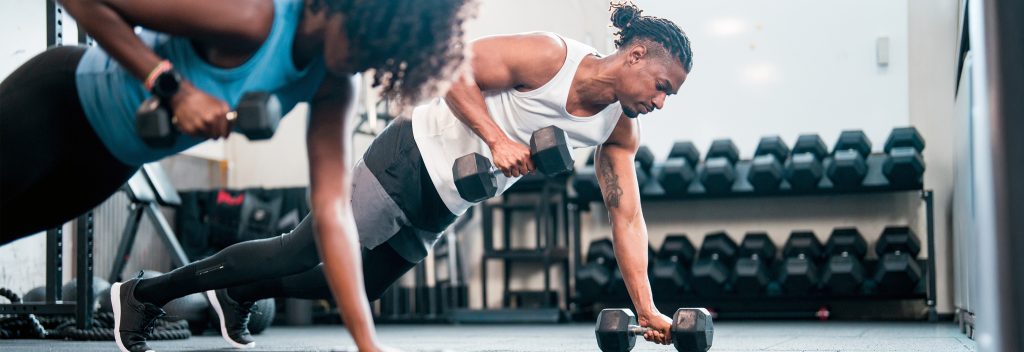
 For strength, the research shows the greatest improvements occur when lifting heavier loads at or above 80 percent of a one repetition maximum, using a full range of motion, performing two to three sets, training at least twice per week, and placing key lifts at the beginning of a session.
For muscle growth, total training volume is the most important factor. Around 10 or more sets per muscle group per week is effective, with additional benefit from eccentric-focused training.
Power development follows a different approach. Moderate loads between 30 and 70 percent of a one repetition maximum, combined with fast, explosive movements, produce the best results. Lower total volume and methods such as Olympic-style lifting or power training further enhance outcomes, with power training also improving overall physical function.
Just as important, many commonly debated variables do not consistently influence results. Training to complete muscle fatigue, equipment choice, exercise complexity, set structure, time under tension, blood flow restriction, and periodization showed no consistent advantage across studies.
 Importantly, the largest benefits come from simply moving from no resistance training to some. These updated guidelines emphasize reducing barriers and helping more individuals build consistent, sustainable habits that support long-term health and independence.
As a result, the focus shifts away from perfect programming and toward consistency. Progressive overload still matters, but it can be simple. Gradually increasing load, volume, or effort over time is enough to drive progress.
The biggest takeaway is clear. Resistance training is one of the most effective tools for improving health and performance, and many approaches can work. The best program is not the most complex one, but the one you can stick to consistently.

About the Author: Max Roth, MS
Currently finishing a professional hockey career, he is transitioning into finance with a focus on private equity. He holds a Bachelor’s in Finance and a Master’s in Business Management (Accounting). With internship experience in private equity, he brings analytical skills, discipline, and a team-driven mindset to investment analysis and business growth. Follow Max on Instagram & LinkedIn

Producing Punching Power
By Phil Ross. M.S.
Punching and striking speed are tantamount to success in competition and on the street. But throwing a punch too fast with no control will yield a wild technique that will most likely not make its mark. And throwing an inaccurate punch not only misses the target but affects speed.
 It behooves a fighter to have a fast punch; one certainly wants to be faster than their potential opponents! However, if the punch is fast, but does not make its mark, the fighter is exposed due to the extended limb and most likely out of position to defend effectively. We are most vulnerable when we are attacking. In addition to accuracy, one must consider effectiveness of the punch. Not only hitting the target, but hitting it with an effective technique also has bearing on speed and some sacrifices must be made.
There are many of those who claim that their punch is the “world record”, but as opposed to accuracy, we will consider effectiveness and real-world application. As represented in the YouTube video, Best Fight Scenes Ever (2017): Ian Bishop threw 5 punches in .55 seconds or roughly 11ms per punch; DK Yoo threw 42 punches in 4.73 seconds or 112.6ms per punch; Farid Berlin delivered 57 punches in 5.73 seconds or 100.5ms per punch. However, upon viewing the punches, their effectiveness is suspect. If you consider the jab of Muhammad Ali timed at 42ms (Lachmann, 2011) and the lighting speed of Bruce Lee, his fastest punch in a five-punch combination was recorded at 210ms. If you view the punches on the video, “Best fight scenes ever”, you will note that all but one of the fighters depicted, Ian Bishop, all threw relatively ineffective strikes. Fast, but with no power, no hip rotation and zero lock-out of the body. Even Ian Bishop was extremely close to his targets and one punch went into the next. Additionally, most of the group demonstrated very little defensive posture, so the punches have no real-world application. The only two fighters that meet the criterion for deploying useful punches would be Muhammad Ali and Bruce Lee. Ali’s punch clocked at 42ms, was a jab and delivered from his lead hand, and was extremely fast as well as being delivered from a useful stance. Bruce Lee’s punch, on the other hand was also delivered from his lead hand, but he traveled a greater distance. Lee’s strikes were so fast, that the filmmakers actually had to slow down the speed of the films to enable moviegoers to see the movements! Additionally, Ali actually sought out the services of Lee to make his jab quicker, a little-known fact. Who was quicker? Who really cares, but both athletes demonstrated the upper limits of effective striking speed.
The best way to teach a punch is to focus on economy of motion and the path of the punch. By economy of motion, we need to consider the fastest and most direct path to the target. That is a straight line. We must permit no wasted or extraneous movements, which lead into the path of the punch. All power for punching generates from the hips. So, we start with the hips, go to the shoulders and then to the elbow and finally the fist. The hips, as we have stated, generate the power. As we move to the shoulders we begin to determine what punch we are executing and engage the lats (latissimus dorsi) as we pack the shoulder joint. Next is the elbow, and this is where many people fail. The elbow shoots toward the target, thus eliminating “elbow flare” by keeping the elbow in line with the shoulder as the punch is thrown. The fist is then propelled toward the intended target as we step forward to cover distance and add more power to the punch.
 Paul M Fitts (19121-1965) development of Fitts Law still holds true today. We must note that in regard to the matter of speed versus accuracy the Fitts archetype is logarithmic. Fitts Law provides an inverse relationship; the higher the speed, the less accurate the technique and when higher accuracies are sought, the result is a lower speed (Schmidt & Lee, 2011, p 228). This paradigm holds true today as we can see demonstrated by the insurance rates applied to cars. Smaller, sportier cars with high horsepower engines are the costliest to insure for several reasons. They are typically driven by younger drivers who tend to drive faster and have more accidents. The faster one drives, the less reaction time they are afforded, thus the greater the chance of an accident is to occur. Fitts Law is still applicable today.
There is a tradeoff of speed for accuracy and effectiveness. Through proper practice and repetition, speed can be increased and a level of accuracy maintained.
 About the Author: Master Phil Ross, M.S.
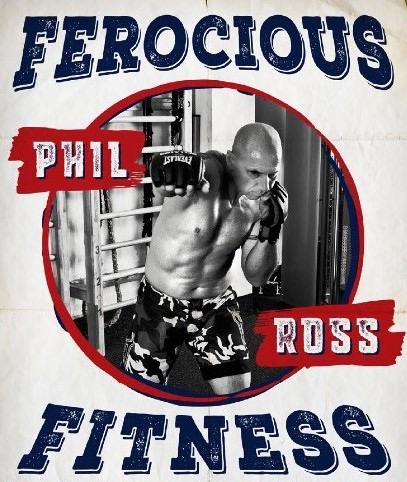
Master Phil Ross, M.S., is a distinguished professional with a wealth of expertise in martial arts, fitness, and education. As a 9th Degree Black Belt and Master Blade Wielder, he has achieved mastery in various disciplines, including Brazilian Jiu-Jitsu and Master RKC. With a Master’s in Sports and Exercise Science, Phil is also a published author, accomplished actor, and college professor at American Public University Systems. His extensive experience as a professional presenter and bodyweight specialist makes him a respected figure in both the martial arts and fitness communities.

Why Humor Works in Fitness: The Most Underrated Tool for Engagement, Retention, and Results
By Kymberlee Helmuth
 In an industry driven by programming, metrics, and results, one of the most powerful tools available to fitness professionals is often overlooked: humor.
Humor isn’t about being a comedian or turning class into stand-up. When used intentionally, humor becomes a strategic teaching tool that lowers barriers, builds trust, and keeps participants coming back. In a time when retention is more important than ever, humor may be one of the most effective — and underutilized — skills in a fitness professional’s toolbox.
The Real Barrier Isn’t Physical — It’s Emotional
Many participants don’t avoid fitness classes because they’re lazy or unmotivated. They avoid them because they’re afraid.
Common fears include:
- “I’m not coordinated.”
- “Everyone else knows what they’re doing.”
- “I’ll look stupid.”
- “I don’t belong here.”
This is especially true in group fitness formats that involve choreography, rhythm, or unfamiliar movement patterns. While instructors often focus on perfect cueing and seamless transitions, participants are silently negotiating anxiety, self-consciousness, and fear of judgment.
This is where humor becomes transformational.
 Humor Creates Psychological Safety
From a nervous system perspective, laughter signals safety. It relaxes the body, reduces stress hormones, and helps people stay present. When an instructor uses humor appropriately, it sends a clear message to participants: You are safe here. You are welcome here. You don’t need to be perfect to belong here.
Psychological safety is what allows participants to try something new, keep moving even when they feel unsure, and stay engaged instead of shutting down.
In my dance fitness format humor is built directly into the teaching method. The goal is not to impress participants with choreography, but to invite them into movement without intimidation. Humor becomes the bridge between fear and confidence.
The Instructor Myth: When “Perfect” Backfires
Many instructors are highly trained, fit, confident, and polished — all wonderful qualities. But to a new participant, that polish can feel intimidating. Participants may assume:
- The instructor expects perfection
- Everyone else is more advanced
- Mistakes will be noticed
Humor humanizes the instructor.
Self-directed humor — light, intentional comments that make the instructor relatable — lowers perceived hierarchy in the room. When instructors acknowledge their own imperfections or laugh at a missed step, it gives participants permission to do the same.
Importantly, this does not reduce credibility. In fact, when humor is paired with strong cueing and clear instruction, it increases trust.
Three Types of Humor That Work in Fitness
Not all humor belongs in a fitness setting. The most effective humor follows three simple rules: it is inclusive, intentional, and never at the expense of the participant.
- Self-Directed Verbal Humor
This type of humor places the instructor “in it” with the class. Statements like “If you’re confused, congratulations — you’re exactly where you’re supposed to be” or “We’re not auditioning for anything today” immediately reduce pressure. The instructor becomes a guide, not a judge. - Physical Humor with Control
Demonstrating exaggerated or intentionally “wrong” versions of movements — followed by the correct execution — helps participants see that learning is a process. Physical humor works best when the instructor can clearly clean up the movement afterward, reinforcing skill while normalizing mistakes. - Inclusive Language Humor
Phrases like “High energy is optional; joy is not” or “Marking it still counts” shift the emotional tone of the room. This language removes comparison and reinforces autonomy, which is especially important for mixed-level classes.
Humor as a Retention Strategy
Participants rarely return to class because choreography was complex or sequencing was impressive. They return because they felt:
- Seen
- Successful
- Comfortable
- Connected
Humor creates emotional memory. People remember how a class made them feel far longer than they remember the exact workout. When laughter is part of the experience, participants associate movement with enjoyment rather than stress.
For club owners and operators, this has a direct impact on retention, referrals, and community culture. Classes that feel welcoming grow organically. Instructors who create emotionally safe environments build loyalty.
A Simple Framework for Instructors
One practical framework instructors can use immediately:
Acknowledge → Normalize → Invite
- Acknowledge the challenge (“This part feels tricky”)
- Normalize the experience (“Everyone struggles here at first”)
- Invite participation (“Just keep moving and smiling”)
This approach, often paired with light humor, keeps participants engaged without pressure.
 Final Thoughts
Humor is not a gimmick. It’s not about being funny for attention or entertainment. When used intentionally, humor is a leadership skill — one that fosters trust, lowers fear, and keeps people moving.
In a crowded fitness marketplace, where consumers have endless options, the classes that stand out are not always the hardest or most complex. They are the ones where people feel welcome, capable, and connected.
Because when participants are laughing, they’re learning — and when they feel safe, they stay
 About the Author: Kymberlee Kaye Helmuth
Kymberlee Kaye Helmuth is a sought-after speaker, fitness presenter and marketing #GirlBoss. Her energy is through the roof, and she brings comedy to every audience she embraces. Her approach is bold and transparent. She shows vulnerability and poise and helps shift mindsets with real stories and real failures. Kymberlee has a 30+ year dance and fitness background and has most recently been a presenter at the MindBody National Conferences, IDEA World, Fit Expo, Club Industry and the 2026 SCW DC MANIA® conference. Kimberlee was a former professional cheerleader, Reebok Performance Team member, dance team choreographer and National Cheerleaders Association staff member and judge.
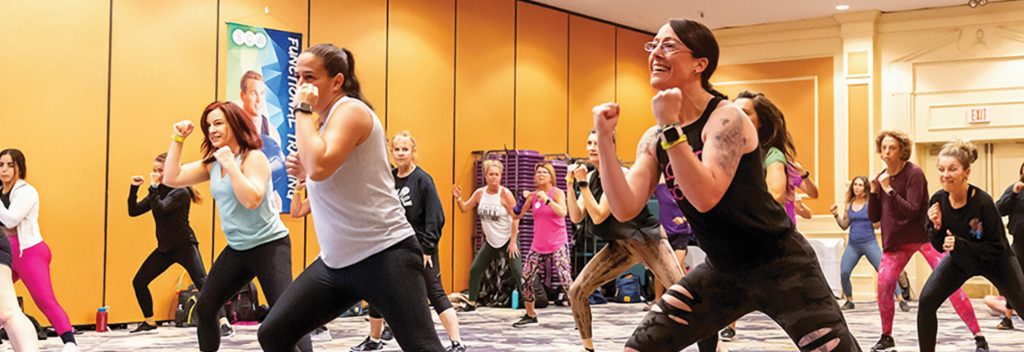
Online & In Person – SCW MANIA® Has You Covered
IT’S YOUR TIME to expand your knowledge, sharpen your skills, and reignite your drive for helping others on their health and wellness journey. Whether you prefer the hands-on energy of live events or the convenience of learning online, SCW Fitness offers dynamic education experiences built to support today’s fitness professional, YOU!
 Experience the Energy In-Person: Florida MANIA®
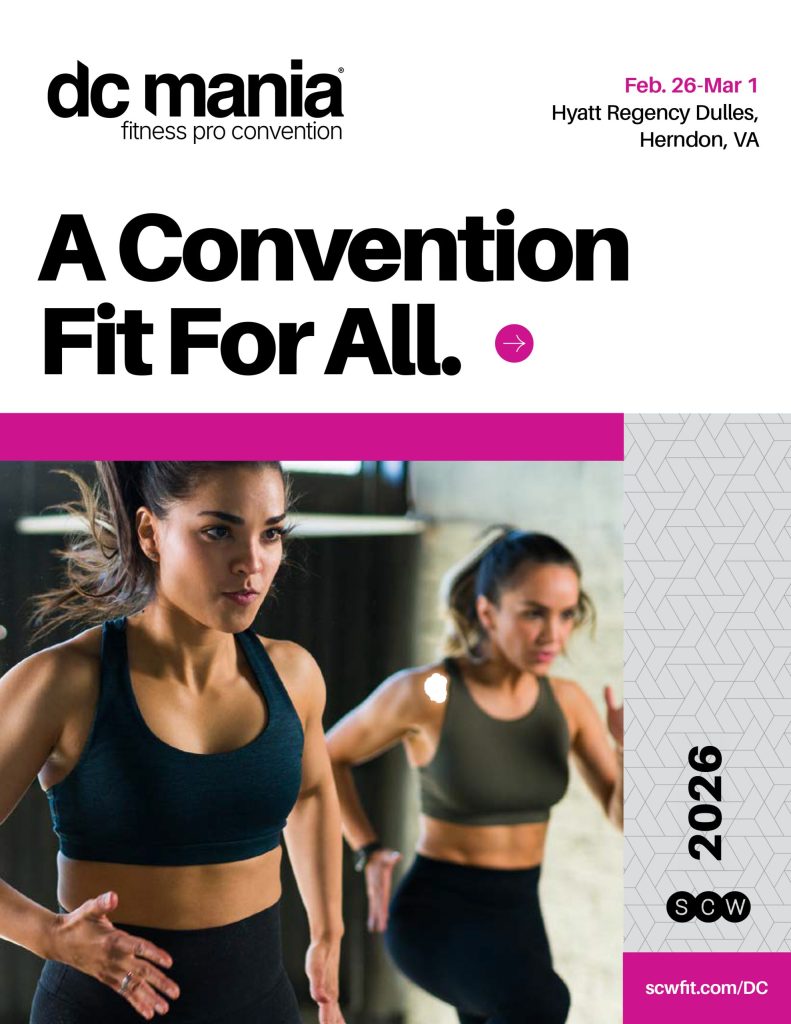
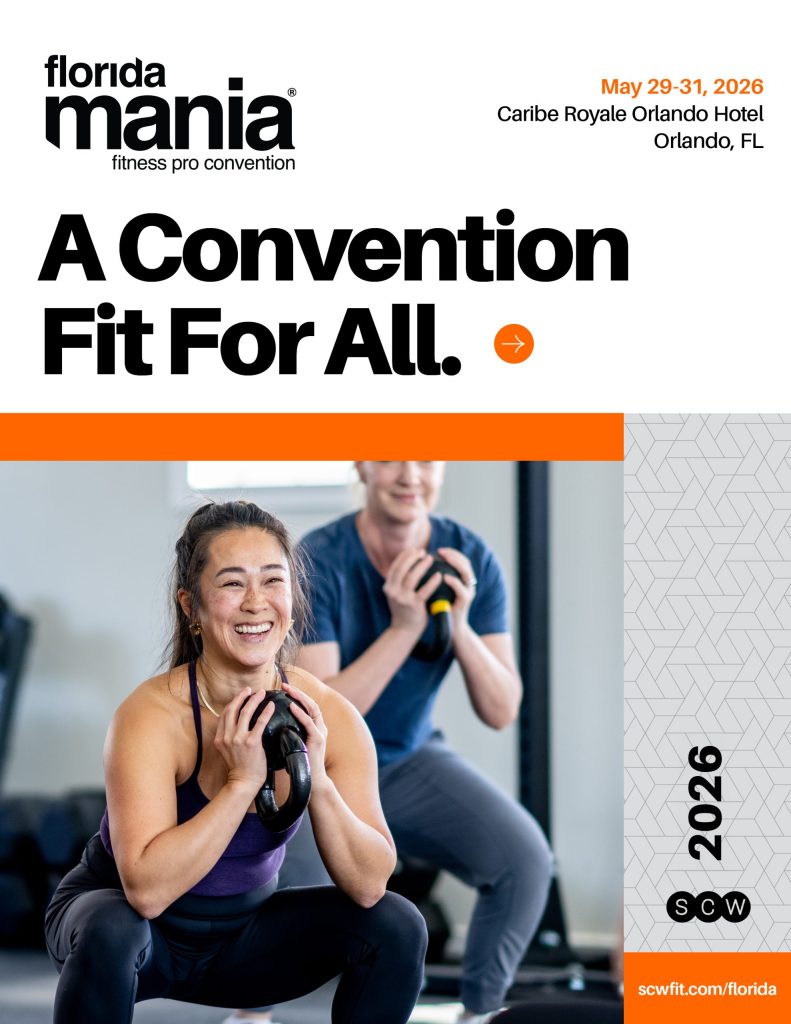
If you prefer to rub elbows with rockstars in the Fitness Industry and experience a real-time connection, then fuel your passion at Florida MANIA®, May 29–31, at the beautiful Caribe Royale Orlando. With 200+ workshops, lectures, and certifications, you’ll gain practical skills you can apply immediately. Earn 20+ CECs/CEUs while learning from top industry leaders, exploring the latest trends, and networking with passionate fitness pros from across the country—all in one high-energy, immersive weekend.
Join from Anywhere: Live Stream MANIA®
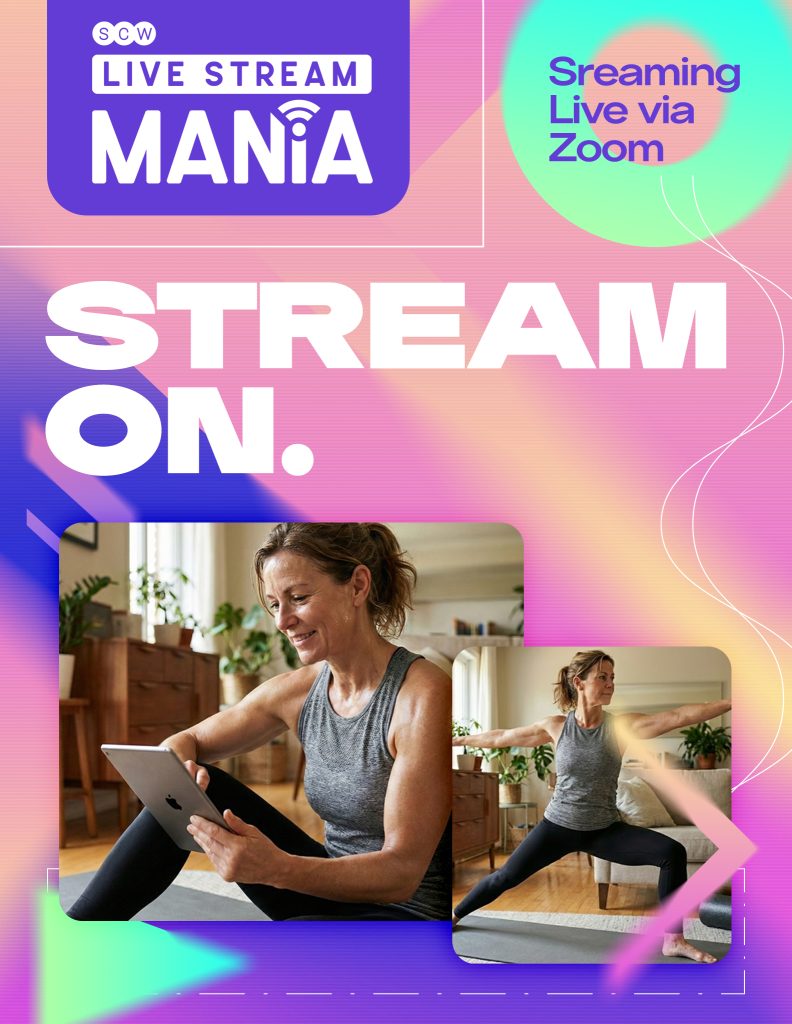
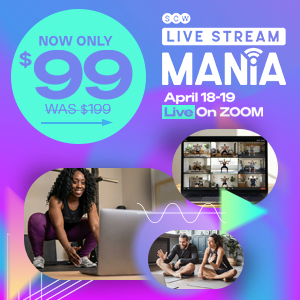
Can’t travel? Bring the MANIA® experience directly to you with Live Stream MANIA®, April 18–19. This interactive virtual event on ZOOM streams the energy, expertise, and motivation of MANIA® straight to your screen. Earn up to 12 CECs—or up to 20 with a pre-con certification—while participating in real-time sessions from your home, studio, or on the go. It’s flexible, convenient, and designed to keep you connected and growing.
Level Up Your Expertise: Nutrition Coaching Summit
Take your wellness coaching to the next level with the Nutrition Coaching Summit, May 16–17, a fully virtual event dedicated to one of the most in-demand areas in health and fitness. Choose from 36 sessions covering nutrition science, behavior change, recovery, sleep, and sustainable wellness strategies. Perfect for trainers and coaches looking to deepen client impact and expand their services.
And There’s Still More to Come in 2026
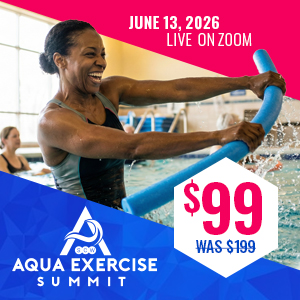 Aqua Pros, mark your calendars for the all-new Aqua Ex Summit, Saturday, June 13, on Zoom. Let SCW bring the pool to you. The schedule isn’t up yet, but registration is open. Save $100 with the early-bird price. Choose from 24 live-streamed sessions and 36 recorded workshops that you can watch for 60 days from anywhere with the All-Access pass.
For those of you who love to meet and greet, save the date for the remaining SCW Mania® Fit Pro Conventions in Atlanta, Dallas, Chicago (Midwest), and Boston (Danvers). Get registered today and save.
More Ways to Learn—Your Way
From virtual summits to in-person intensives, SCW offers education that fits your schedule and learning style. Plus, with recording options available for every event, you can earn CECs/CEUs anytime, anywhere—on your terms.
From Florida to your living room, SCW Fitness is here to keep you inspired, educated, and ahead of the curve in 2026.

Flexibility or Mobility?
By Dr. Meredith Butulis
Can everyone learn to do the splits? Coming from a background in sports medicine, dance medicine, strength & conditioning, yoga and Pilates, this is a question people often ask me.
 The short answer is “no.” Not everyone can attain this range of motion. Now, let’s look at not only the “why” behind this, but also the bigger picture.
Do you coach clients on flexibility or mobility? More importantly, what is the difference, and how does this affect a client’s movement abilities?
With the rise of niche marketing and social media, the lines of “flexibility” versus “mobility,” have become blurred. Let’s begin with what each word means, and how they are not the same. The delineation can shed light on which your client needs, so you can then select methods to help your clients set realistic goals and an efficient path toward success.
FLEXIBILITY
Flexibility is the ability of muscles and their surrounding soft tissues (fascia, ligaments, tendons and nerves) to passively lengthen. Passive means that a force outside of the client’s own body creates the motion. Forces could come from body weight against the floor or another object, stretch straps or a fitness professional’s use of hands for assisted stretching.
Flexibility is not the same as stretching. Stretching represents a variety of exercise methods to increase flexibility. Flexibility is the soft tissues’ internal response to stretching exercises. Biomechanically, the main component of flexibility we target with stretching is extensibility. Extensibility is the soft tissues’ ability to lengthen when stretching force is applied, then return to resting length.
Effective stretching requires lengthening the soft tissues across all of the joints that the tissues cross. This makes stretching positions to increase flexibility fairly specific. For example, when stretching hamstrings, a client is often on his or her back with the hip flexed, knee extended and ankle slightly plantarflexed. When stretching the rectus femoris (the only quadricep that crosses the hip and the knee), the hip is in extension and the knee is in flexion.
The concept of lengthening across all joints is not limited to single muscles or muscle groups. Instead, one could improve flexibility of a myofascial line. For example, the yoga downward dog completely lengthens the deep longitudinal sling system. The deep longitudinal sling system refers to the connection of the paraspinals, sacrotuberous ligament, lateral hamstring and peroneals. Notably, the client feels sensation across the lengthening side of all involved joints.
Improving flexibility requires effective stretching exercise prescription. Effective exercise prescription includes not only specific positioning, but also selecting frequency, intensity, duration and type.
Frequency: Daily
Intensity: 3/10 (meaning a gentle pain-free line of pull in the proper alignment)
Duration: 30-60 seconds for static stretches for 3-4 sets
Type: Static low intensity, long duration (30 sec +) stretches generally improve tissue extensibility. Type selection, however, may depend on client goals.
Even with regular stretching efforts, different clients will have varying results, as genetics also play a role in how quickly and how much soft tissues can change.
Key point: Low intensity 30-60 second passive stretches in specific positions that lengthen the target soft tissue across all of its joints can improve flexibility.
MOBILITY
Mobility, in the traditional healthcare provider sense, is the ability of joint surfaces to move on each other in roll, spin and glide motions. These are subtle motions within the joint. No amount of stretching or exercise will change limited joint roll, spin or glide.
The term mobility, in the fitness sense, has taken on a slightly different meaning, however. General internet searches reveal a broader definition of mobility, as the ability of a joint to move actively or passively. Active movement implies that the client is moving his/her own joints by using his/her own muscles. Passively implies that an outside force, like the floor or another person, is providing the force.
Flexibility influences joint mobility, but it is only one component. For example, if you lie on your back and perform a hamstring stretch, chances are you are not able to keep your knee straight and get your hip to flex more than 90 degrees. However, if you bend your knee and hug your thigh toward your chest, you can probably attain more than 90 degrees of hip flexion. This illustrates the difference between hamstring (and posterior thigh soft tissue) flexibility versus hip joint mobility.
If flexibility is only one factor, what else can limit joint mobility?
Rigid structures:
- Bone: We are not all built the same. Bones and joints have slightly different shapes and angles in each individual. Hip joints, in particular, have high structural variability.
- Age-related changes: Bone surfaces change with forces upon them over time. Generally, as age increases, joint space narrows, offering less motion.
Cartilage:
- Youth have components of bone still made of cartilage; cartilage is softer than bone, so youth often have more joint mobility than adults.
- Older adults often have cartilage degeneration; this creates irregular joint surfaces that do not glide as well as they once did.
Inert structures:
- Capsule: Capsules surround each major joint; they blend in with the ligaments.
- Ligaments: Ligaments connect bones to other bones.
- Fascia: Fascia is like a soft tissue cobweb that intertwines with muscle fibers, bones, organs and even the nervous system. It has high levels of sensation, but it does not stretch like muscles do.
Extensible structures:
- Tendon: Tendons connect bones to muscles; they are extensible, but not to the degree that muscles are.
- Muscle: Muscles are extensible tissues; their level of flexibility may influence joint mobility.
Neuromuscular factors:
- Bones, cartilage, fascia, ligaments, tendons, and muscles all have sensory endings. The way the brain and spinal cord receive and process information influence a client’s perception of attempts to improve flexibility or mobility. Deep breathing can play a major role in the neuromuscular factors, allowing greater mobility and flexibility.
Other factors:
- Scar tissue: Scar tissue from previous injuries and surgeries is not very mobile. It can limit both flexibility and mobility.
- Effusion: Effusion means swelling in a joint. If a joint is swollen, it should not be mobilized.
- Synovial fluid: This fluid is inside of the joint capsules around each major joint. At rest, it is like thick mud that doesn’t move well.
With warm-up or joint mobilization exercises, the fluid decreases viscosity, flowing more like water.
With so many factors influencing joint mobility, it can be hard for fitness professionals to know where to begin. Fitness professionals can instruct clients in dynamic warm-ups through various motions to increase synovial fluid and fascial mobility and neuromuscular control. Examples include deep body weight squats and arm circles.
If these dynamic warm-ups involve passively lengthening a muscle or myofascial group across all of its joints, the selected movement is focusing on the flexibility component of joint mobility. A common example is the yoga sun salutation.
If a client is moving toward his/her end range of a joint motion and feels “stuck,” “pinch,” or “pain,” (especially on the closing side of the joint) fitness professionals should encourage the client to back away from this sensation, as opposed to pushing through it with force, bouncing or momentum. Adding a physical therapist and/or chiropractor to the client’s team can help differentiate the underlying sticking point. If the underlying limitation is a capsule, ligament or deep scar tissue, these professionals may be able to help. If the underlying limitation is bone or cartilage, the client may need to adjust movement goals to embrace structural limits.
Key points: Mobility drills are generally part of a dynamic warm-up to increase ease of joint motion. Mobility drills generally do not fully lengthen muscles across all of their joints, since the goal is increasing ease of movement at the joint surfaces. Numerous factors (such as bone shape, cartilage integrity, ligament and capsule health . . .) influence joint motion, and fitness professionals should not try to force a client past points of joint stiffness.
FLEXIBILITY OR MOBILITY: WHICH IS BETTER?
In conclusion, neither flexibility nor mobility are better. Your client’s goals, however, can help guide priorities.
If your client wants greater range and ease of motion with activities that do not require passively lengthening a muscle or myofascial line across all of the joints that it crosses, mobility drills are likely the answer. Outcomes look like a deeper squat, or more rotation in a golf swing.
If your client wants more motion that requires passively lengthening muscles or myofascial lines across all of the joints that they cross, flexibility is likely the answer. Outcomes look like ability to do the splits, a higher straight leg raise when lying on the back to stretch hamstrings, or achieving a wheel pose in yoga.
 Flexibility and mobility, however, are not mutually exclusive. A shortened muscle can limit joint mobility. If this is true, the client will feel limitations on the lengthening sides of the joints; performing a stretch can increase the joint mobility immediately.
Conversely, limited joint mobility can limit flexibility. Joint mobility drills (often part of a dynamic warm-up), may or may not help. Many factors influence joint mobility. Limited joint roll, spin or glide cannot be fixed with exercise. These limitations feel “stuck,” or “pinching” on the closing side of the joint. Fitness professionals should not encourage clients to barge these barriers, but rather partner with the client’s physical therapist and/or chiropractor to assess underlying causes of the joint restriction.
Special thanks to Personal Fitness Professional for publishing this article. You can view the original post here: Flexibility or Mobility?
 About the Author: Emily Johnson
Emily Johnson is the Founder of StrongerU Senior Fitness. She is on a mission to innovate and elevate senior fitness globally by empowering fitness professionals to deliver high-quality senior fitness and active aging classes. Emily is an international trainer and conference presenter known for delivering dynamic sessions that give attendees “light-bulb moments” and tangible tools and resources to implement right away.

How Much Protein You Need in a Day
By Kelly Jones Nutrition
 Protein is one of my favorite points of discussion as a performance dietitian, so it’s no surprise that I’m often helping others determine how much they need. Interestingly enough though, often KJN clients either think they’re eating enough, or are going overboard. I see the same trend when we speak with teams or I present webinars. And of course, then there’s the confusion that comes from social media, with current trends touting 100 grams per day of protein for all, even though we know everyone has different needs. So, to cut through the confusion, we’re covering how to calculate daily protein needs!
Want to improve your diet for performance without the calculations? We got you.
Minimum protein requirements
For decades, the US had set the minimum protein recommendations for adults at 0.8 g/kg/day, which means grams of protein per kilogram of your body weight per day. Unfortunately, not only are kilograms not used in the US in everyday life (it’s .36g/lb if you’re wondering), but this amount is a minimum set to prevent clinical protein deficiency. In 2026, the new Dietary Guidelines for Americans set protein recommendations at 1.2 – 1.6 g/kg, a much better representation of data showing what is optimal for adults. This is the amount we should eat daily for optimal health and longevity, but still not the amount some need to optimize fitness and athletic performance.
Protein recommendations for athletes
Per the International Society of Sports Nutrition position on protein and exercise, protein intakes of 1.4-2.0 g/kg body weight per day are ideal for maintaining muscle mass and supporting recovery in most people. This translates to 0.63 to 0.9 grams of protein per day, per pound of your weight.
As you might imagine, those with the highest activity levels and greatest stress on muscles would require protein at the higher end of the range, while those who are exercising for fitness versus competition may fuel optimally with protein intakes at the lower end of that range. When working with clients 1-1, we provide a range within the range, though. This helps take the pressure off of thinking you need to be counting and logging for all of eternity, and feeling confident in gradually building the habits to meet your protein goals without obsession over what you’re eating. So, for someone training for a half marathon or who does heavy weight training 4x per week, we may recommend .63 – .82 g/lb per day (1.4-1.8g/kg). For someone training for a full marathon or triathlons, we might recommend .73 -.9 g/lb per day (1.6-2g/kg).
For those who are injured and unable to exercise for some time, recovering from surgery, or who have a low activity level momentarily while needing to maintain muscle mass, check out this post to see when needs may go up to 1.13 grams per lb per day (2.5 g/kg). This amount may even be appropriate if you are attempting to build muscle mass while in a slight energy deficit.
Want the cliff notes version with protein content of common foods? Download our protein cheat sheet.
Protein recommendations for non-athletes
It might sound a little ridiculous (because it is), but there are no formal protein recommendations for people who exercise but aren’t considered “athletes”. Even if you aren’t highly active, I’d still recommend at least .55 grams of protein per lb per day (1.2 g/kg). This is because studies suggest better health outcomes when at least this much protein is consumed. Here’s what research is suggesting for some specific population groups and health goals:
- .68 – .9 g/lb for blood sugar control* (1.5-2g/kg)
- .77 – .86 g/lb to support exclusive breastfeeding in the 6 months postpartum (1.7-1.9 g/kg)
- .55 – .9 g/lb to support the aging population and disease management* (1.2-2 g/kg)
*This is not intended as medical advice. Those with diabetes and kidney disease especially, should discuss protein needs with their healthcare provider. As always, keep your healthcare team aware of any changes you are considering for your diet, exercise, and/or supplement routine.
What happens when you don’t eat enough protein
If you are under-consuming protein, it may impact everything from your fitness and athletic goals, to the health of your hair and nails, to your appetite throughout the day. Protein is, after all, an important nutrient for satiety, often missed at breakfast and snacks.
In my career I’ve found many people consider protein only after workouts, as if recovery processes only occur in the few hours after training. In reality, you may be recovering from a tough workout for 48-72 hours. To optimize muscle recovery, it’s important to spread protein intake throughout the day, eating at least 3 moderate doses (ideally 4 or more) every 3-4 hours.
Spreading your protein intake out can also benefit you from a satiety perspective. Protein slows digestion, so it also keeps you feeling fuller for longer, resulting in a slower and more steady rise in blood sugar. This benefit to blood sugar control is helpful for anyone, not only those with diabetes, as it provides more consistent physical and mental energy levels after meals and snacks.
Now what about hair and nails? Protein serves as structure for not only our muscles, but also our organs and other tissues. If you’re eating enough calories daily, but not enough protein, the health of other tissues may suffer. Note: this is also the case if you eat plenty of protein, but chronically under-eat calories. With that pattern, you can convert protein into an energy source, diverting it from being used as a structural nutrient.
What happens when you eat too much protein
Fun fact: eating too much protein will not harm your kidneys if you don’t have kidney disease. This is a myth even I believed as a young nutrition student, before I got to advanced classes. A recently published meta-analysis actually found higher protein diets to be associated with a lower risk of chronic kidney disease. The lowest risk found with protein coming from plants. If you’re looking for more high protein recipes that are plant-based, here’s 50.
So, what can happen when you eat too much protein? I become most concerned with displacement of other nutrients and antioxidants. With too heavy of a focus on protein that leads to overconsumption, you may inadvertently reduce intake of nutrient rich carbohydrates like whole grains, legumes, vegetables and fruits. This can reduce intake of energy from carbs, which is critical to optimize physical performance. It also reduces intake of fiber to support gut microbiome health, and the nutrients and antioxidants found in fruits and vegetables that support metabolic health and longevity.
Another problem is that excess protein intake may result in excess intake of saturated fats due to a reliance on protein from animal foods. Saturated fat, in excess, can increase risk of high cholesterol and high triglycerides, and therefore heart attack and stroke. It may also mean poor balance of saturated and unsaturated fats, which impacts inflammatory responses, brain health and joint health.
Calculating protein needs
While protein recommendations in grams per pound are outlined above, here’s a guide to calculate a range for your needs. First, if you’re in recovery from an eating disorder or struggling with disordered eating, in lieu of calculating your own needs, discuss how you can increase your intake with your dietitian, or by focusing on more protein rich foods. Our low-cost Fitness Nutrition Foundations course can walk you through it.
1. Start with your weight. No need to rush to the scale, an estimate is just fine.
2. Based on your age, fitness level, and goals, determine a range based on our recommendations in the table and above.
3. Multiply your weight by the lower number as well as the higher number. That is the grams of protein you need per day.

How much protein I’d recommend to clients
Since science is a little wishy-washy with recommendations, sports dietitians use both science and critical thinking to determine client needs. With athletes participating in specific sports, recommended amounts of macronutrients for their body weight is a bit easier. For non-athletes or those who enjoy competing, but also live normal lives, that’s where the critical thinking comes in. Here are two examples that may help you in estimating your needs and calculating them.
Example Client 1: For a menstruating female who is not nursing (aka not newly postpartum and also not yet in perimenopause) and goes to 3 cardio and 2 barre classes per week, I’d recommend she multiply her weight by 0.63 – 0.82.
 If she weighs 125 pounds this would be 79 – 102 grams per day.
If she weighs 165 pounds, this would be 104 – 135 grams per day.
Example Client 2: If I was working with a middle-aged male who is in physical therapy for a shoulder injury, unable to engage in much strength training, with a goal to maintain muscle mass, I’d recommend at least 0.9 g/kg.
If he weighs 175 pounds this is 157 grams minimum.
If he weighs 200 pounds this is 180 grams minimum.
How to increase your protein intake
- Increase your awareness of protein content of your favorite foods.
- Add more protein to your grocery list so you have it in the fridge, freezer and even pantry! Our free Budget Friendly Grocery Guide can give you some ideas.
- Use a paper journal to add up just your protein intake for 3-7 days. This short term commitment helps raise awareness without causing you over-obsess about numbers. In lieu of counting now or in the future, you could also use the hunger and performance log we use with our 1-1 clients to notice trends in when your protein intake could use a boost.
- Focus on ONE meal or snack per day to improve intake. Once you’re comfortable and confident in including enough at that meal or snack, move on to another eating occasion.
Protein questions? We’d love to hear from you! Leave us a note in the comments.
Special thanks to Kelly Jones Performance Nutrition for publishing this article. You can view the original post here: How Much Protein You Need in a Day
 About the Author: Greg Caldwell, OD, FAAO
Greg Caldwell, OD, FAAO is an ocular disease specialist, educator, and advocate for integrative health and longevity. A Fellow of the American Academy of Optometry, he has participated in numerous FDA clinical trials and focuses on the role of nutrition, lifestyle, and prevention in long-term health and performance. Dr. Caldwell continues to see patients in Pennsylvania while lecturing internationally on the connection between cellular health, fitness, and aging.

Lemon Garlic Protein Chicken (or Tofu)
Servings: 2
Protein: ~35g per serving (chicken)
Saturated Fat: ~1–2g
 Ingredients
- 2 boneless, skinless chicken breasts (or 14 oz extra-firm tofu, pressed and sliced)
- 2 cloves garlic, minced
- 2 tbsp fresh lemon juice
- 1 tbsp olive oil
- 1 tsp dried oregano
- ½ tsp paprika
- ¼ tsp black pepper
- ¼ tsp salt
- 1 tbsp fresh parsley, chopped
Instructions
 Prepare protein: If using tofu, press for 15 minutes and slice into ½-inch slabs.
- Make marinade: Mix olive oil, lemon juice, garlic, oregano, paprika, salt, and pepper.
- Marinate: Coat chicken or tofu and let sit 15–30 minutes.
- Cook:
- Chicken: Grill or pan-sear 5–6 minutes per side until cooked through.
- Tofu: Sear 4–5 minutes per side until golden.
- Finish: Sprinkle with parsley and a squeeze of fresh lemon.
- Serving Idea
Pair with steamed vegetables or roasted broccoli and brown rice or quinoa for a balanced, high-protein dinner.
 About the Author: Amy Roeder
Amy Roeder is the Senior Editor, Harvard Chan Magazine; Senior Writer in the Office of Communications

Help Shape the 2026 Fitness Industry Report
IDEA Health & Fitness Association
 The fitness industry is evolving faster than ever, and the role of the “Modern Coach” is changing with it. From AI-driven programming to the growing impact of GLP-1 medications, today’s fitness professionals are navigating a rapidly shifting landscape.
IDEA Health & Fitness Association is inviting you to take part in the 2026 Industry Survey, a comprehensive look at the real experiences shaping our field right now. This is your opportunity to share insight into career paths, income trends, business challenges, and the daily habits that define success in today’s environment.
Your participation helps build a powerful “State of the Industry” report designed to advocate for fitness professionals and elevate the profession in major media outlets like The Wall Street Journal and Forbes. By contributing, you help ensure the value of certified professionals is recognized on a national and global level.
 As a thank you, you will receive a complimentary copy of the final report, giving you the ability to benchmark your business and stay informed on key industry trends. You will also be entered into a drawing to win a free fitness course of your choice or one of four $150 Amazon gift cards.
The survey takes approximately 15 minutes to complete, and the deadline to participate is Friday, March 27.
Your voice matters. Take a few minutes to share your perspective and help shape the future of the fitness industry.


SCW is Seeking Motivated, Outgoing Telemarketers!
SCW Fitness Education is currently seeking motivated, outgoing telemarketers to support the promotion of its nationally recognized MANIA® Fitness Conventions. With more than 40 years of experience and a reputation as the largest provider of live and online fitness education in the United States, SCW continues to expand its reach—and is looking for individuals who are excited to connect with fitness professionals across the country.
This role is ideal for individuals who enjoy communication, relationship-building, and working in a dynamic, mission-driven environment. Telemarketers will play a key role in helping fitness professionals discover the value of SCW MANIA® events, which offer hundreds of sessions, continuing education credits, and opportunities to connect with top presenters and brands in the industry.
Responsibilities include reaching out to prospective attendees, presenters, and partners through phone calls, emails, and text messages. The goal is to build awareness, answer questions, and encourage participation in upcoming conferences. This is not just a sales role—it is an opportunity to represent a respected organization and help fitness professionals grow their careers through education and connection.
 SCW provides structured systems and tools to support success in this role. Team members will have access to organized Google documents, contact lists, and clear communication guidelines to make outreach efficient and effective. There is also flexibility built into the schedule, allowing telemarketers to work hours that align with their availability while still reaching target audiences at optimal times.
Typical calling hours are in the evenings between 6:00 PM and 9:00 PM Eastern Time, as well as weekends between 9:00 AM and 7:00 PM Eastern Time. However, SCW understands that flexibility is important, and schedules can be adjusted based on individual availability and seasonal needs tied to specific events.
Telemarketers are expected to commit approximately 4 to 8 hours per week, though there may be opportunities for additional hours depending on performance and campaign needs. The position is remote, making it accessible for candidates across the country who are looking for flexible, part-time work.
Compensation for this role is $15 per hour and is paid as a 1099 independent contractor. This structure allows individuals to manage their time independently while contributing to a fast-growing and impactful organization within the fitness industry.
 Ideal candidates are enthusiastic, reliable, and comfortable communicating with a wide range of people. Experience in fitness, sales, customer service, or communications is helpful but not required. What matters most is a positive attitude, strong communication skills, and a genuine interest in helping others connect with valuable educational opportunities.
SCW MANIA® Conventions are known for their high energy, supportive community, and commitment to professional development. Telemarketers are an essential part of bringing that experience to life by helping to build attendance and engagement for each event.
If you are looking for a flexible role where you can make an impact, build connections, and be part of a respected organization in the fitness industry, this is a great opportunity.
SCW Fitness Education is now accepting cover letters and resumes. Interested candidates are encouraged to apply by sending their resume to registration@scwfit.com.
Join the SCW team and help bring education, inspiration, and connection to fitness professionals nationwide.


We’re always looking for great content highlighting the newest things in the world of fitness. Please submit your article directly to editor@scwfit.com for immediate consideration!