
The Power of Music in Exercise: Why Working Out to Music Improves Performance and Enjoyment
By Sara Kooperman, JD
Music and movement have always been connected, from cultural traditions to modern fitness classes. Today, music is one of the most powerful tools in exercise environments—from group fitness and aquatics to strength training and rehabilitation. Its impact extends far beyond entertainment. Music influences mood, motivation, and even physical performance. When used intentionally, music becomes more than background sound—it becomes a tool that enhances the entire workout experience.
Music Captures Attention and Focus
Music naturally draws attention. The brain processes rhythm and melody across multiple regions, creating an immediate focal point during exercise. In group settings, music provides structure and timing, helping participants stay synchronized with movement patterns. This focus reduces distractions and shifts attention away from fatigue, keeping participants engaged.
 Music Drives Motivation and Energy
Music is a powerful motivator. Enjoyable songs stimulate the brain’s reward system, releasing dopamine and encouraging continued effort. Upbeat music also elevates energy levels and prepares the body for movement. Faster tempos increase alertness and help participants maintain intensity, especially during more demanding portions of a workout. In group environments, shared music creates collective energy that drives participation.
Music Shapes Emotional Experience
Music has a unique ability to evoke emotion—whether it’s excitement, nostalgia, or determination. This emotional connection deepens engagement and makes exercise more enjoyable. When participants connect emotionally to music, they are more likely to stay present, push harder, and return for future sessions. For older adults, familiar songs can also stimulate memory recall and create a sense of comfort and connection.
Music Regulates Mood and Reduces Stress
Exercise is already beneficial for mental health, and music amplifies these effects. Uplifting music can reduce stress, anxiety, and fatigue while improving overall mood. Music also helps guide the emotional flow of a workout. High-energy songs support peak performance, while slower tempos during cool-down promote relaxation and recovery.
Music Improves Performance and Efficiency
Research shows that music can enhance physical performance. Participants often:
• Perform more repetitions
• Maintain effort longer
• Sustain higher intensity
 Music helps regulate pacing and rhythm, improving coordination and efficiency. When movement aligns with the beat, it becomes smoother and more controlled, conserving energy and supporting endurance.
Music Enhances Engagement and Flow
Music creates a more immersive workout experience. Participants become absorbed in the rhythm, which can lead to a “flow” state—where movement feels smooth, natural, and effortless. In group fitness, music strengthens the connection between participants and instructors. Shared rhythm builds a sense of unity, increasing enjoyment and overall class energy.
Music Reduces Inhibition and Perceived Effort
Many participants feel self-conscious during exercise, especially in group settings. Music helps reduce these inhibitions by creating a more relaxed and expressive environment. It also reduces the perception of effort. Even at the same intensity, workouts feel easier when music is present. By shifting attention away from fatigue, music allows participants to sustain effort longer and perform at a higher level.
Music Improves Rhythm and Movement Quality
Humans naturally respond to rhythm. Music helps guide movement patterns, improving timing and coordination.
This is especially valuable in:
• Aquatic fitness (movement against resistance)
• Group exercise choreography
• Strength training (controlled repetition speed)
 Rhythm enhances movement quality and consistency across all formats.
Music Makes Workouts Feel Shorter
Music also impacts time perception. When participants are engaged with music, workouts feel shorter and more enjoyable. This distraction effect shifts focus away from fatigue and toward the experience, increasing the likelihood that participants will complete and return to exercise sessions.
Conclusion
Music plays a powerful role in shaping the exercise experience. It captures attention, increases motivation, elevates mood, and improves performance. It enhances coordination, reduces perceived effort, and helps participants stay engaged. For fitness professionals, music is far more than background sound—it is a strategic tool that transforms workouts into more effective, enjoyable, and memorable experiences.

About the Author: Sara Kooperman, JD
Sara Kooperman, JD, CEO of SCW Fitness Education, WATERinMOTION®, and S.E.A.T. Fitness, Founder of the MANIA® Convention, sits on the canfitpro Advisory Panel and the Gold’s Gym Think Tank and was a founding board member for the Women In Fitness Association (WIFA). Recently nominated for the IDEA Fitness Leader of the Year Award, Kooperman won the Most Innovating Fitness Pro by FIT-C (Fitness Industry Technology Council). Sara is the best-selling author of FIT FOR BUSINESS, an inductee into the National Fitness Hall of Fame, an Illinois State Businesswoman of the Year, esteemed panelist for multiple Webinars & Podcasts, and sits on the ACSM Communication & Public Information Committee.
Help Shape the Future of Fitness: 2027 ACSM Worldwide Fitness Survey
Each year, fitness professionals around the globe have the opportunity to influence the direction of the industry—and that time is now. For the 21st year, the American College of Sports Medicine (ACSM) is conducting its Worldwide Fitness Survey, gathering insights from professionals across commercial, community, clinical, and corporate settings. This widely respected survey identifies the trends that will shape programming, training, and business strategies for the year ahead.
 The results, informed by thousands of industry voices, will be published in the November/December 2026 issue of ACSM’s Health & Fitness Journal®, providing a global snapshot of where fitness is headed. For instructors, trainers, and facility leaders, this is more than a survey—it’s an opportunity to contribute your perspective and help guide the evolution of the industry.
Rather than simply following trends, this is your chance to help define them. Fitness professionals are encouraged to take a few moments to participate and ensure their voice is represented.
Please take a few moments to complete the survey. Take the Survey Here!
Hot Topic | How Many Steps Do You Really Need?
By Amanda E. Paluch, PhD
If you own a smartphone or wearable device, chances are you already track your daily steps. Step counting has become one of the most popular ways people monitor their physical activity, and for good reason, steps are simple, intuitive, and easy to track throughout the day. But how many daily steps are actually associated with better health? For years, 10,000 steps per day has been the go-to target, a number that traces back to a 1960s Japanese marketing campaign rather than scientific evidence. The good news is the science has caught up.
 The Steps for Health Collaborative recently completed a comprehensive review on daily step counts and health. In our recent meta-analysis published in Exercise and Sport Sciences Reviews, we pooled data from over 125,000 adults across 17 studies on all-cause mortality and 11 studies on cardiovascular disease (CVD). The findings are clear and consistent: more daily steps are associated with lower risk of death and CVD, following a curvilinear dose-response pattern. Risk declines steeply at first and then begins to level off at higher step counts. Among older adults (60 years and older), taking 6,000 to 8,000 daily steps was associated with substantially lower risk of both mortality and CVD, with potential additional benefit beyond 8,000 steps. Among younger adults (under 60), 8,000 to 10,000 daily steps were associated with substantially lower mortality risk.
Perhaps the most striking finding is how much benefit is associated with modest increments of steps at the lower end of the curve. Among older adults, compared to 3,000 daily steps, each additional 1,000 steps told a compelling story: 4,000 steps meant 21% lower mortality risk, 5,000 steps meant 37% lower, 6,000 steps meant 46% lower, and 7,000 steps meant 51% lower. CVD risk followed nearly the same staircase pattern. Among younger adults, mortality risk was 28% lower at 7,000 steps and 34% lower at 8,000 steps, compared to 5,000. Every step truly does count, and the greatest relative benefit may be among those who are currently the least active.
To be clear, the leveling of the curve at higher step counts does not mean that taking more steps is associated with higher risk, it simply means the additional benefit becomes smaller with each additional step. Someone taking 12,000 daily steps is not at greater risk than someone taking 8,000; the returns are simply diminishing. We also observed the step counts associated with substantial benefit were lower for older adults than for younger adults. This may be because a given number of steps represents a higher relative effort for older adults, who tend to have lower baseline activity levels and cardiorespiratory fitness. In other words, fewer steps may represent a proportionally larger stimulus for older individuals.
The health benefits associated with daily steps also extend well beyond mortality and CVD. Another recent meta-analysis examined daily steps in relation to a broader range of health outcomes including type 2 diabetes, cancer, dementia, depressive symptoms, physical function, and falls. That review found consistent beneficial associations across all outcomes, with a similar curvilinear dose-response pattern, reinforcing that the relationship between daily steps and health is robust across multiple domains, not limited to heart health and mortality alone.
One question frequently asked is whether walking speed matters. The short answer: we are not sure yet. Some studies suggest higher stepping intensity may be associated with additional benefit, but most of the associations with lower risk appears to be driven by total daily steps rather than how fast those steps are taken. Based on the current evidence, a good recommendation is to focus first on accumulating more steps. Total daily step volume appears to be the foundation, and if you can walk briskly, consider this the icing on the cake.
 So, what does this mean for ACSM members? As exercise professionals, clinicians, coaches, and researchers, we have an opportunity to use step-based messaging as a practical complement to the existing aerobic physical activity guideline of 150 minutes per week of moderate-to-vigorous physical activity. Steps offer a metric that is easy to communicate, readily trackable, and motivating for the people we work with. Not everyone relates to minutes of moderate-to-vigorous intensity activity, but most people understand steps. And the beauty of steps is they accumulate naturally, a walk to a meeting, a stroll after lunch, taking the stairs – no scheduled workout required. This makes daily steps a powerful tool for meeting patients and clients where they are, especially those who are just starting to become more active. The bottom line is simple and positive: more daily steps are associated with better health, and you do not need to reach 10,000 to see meaningful benefit.

About the Author: Amanda E. Paluch, PhD
is an associate professor in the Department of Kinesiology and at the Institute for Applied Life Sciences at the University of Massachusetts Amherst. She is a member of ACSM, past board member of the American Fitness Index and is a member of the ACSM Annual Meeting Program Committee. Dr. Paluch is a leading contributor to the Steps for Health Collaborative, and internationally recognized expert in the promotion of daily steps for health and longevity.
Elevate Your Fitness Expertise with Education, Innovation and Connection
The fitness industry continues to evolve, and SCW Fitness Education delivers a dynamic lineup of events to keep professionals informed, inspired, and certified. From in-person conventions to flexible virtual summits, these experiences offer practical tools, fresh ideas, and valuable continuing education credits across nutrition, aquatics, group fitness, and business.
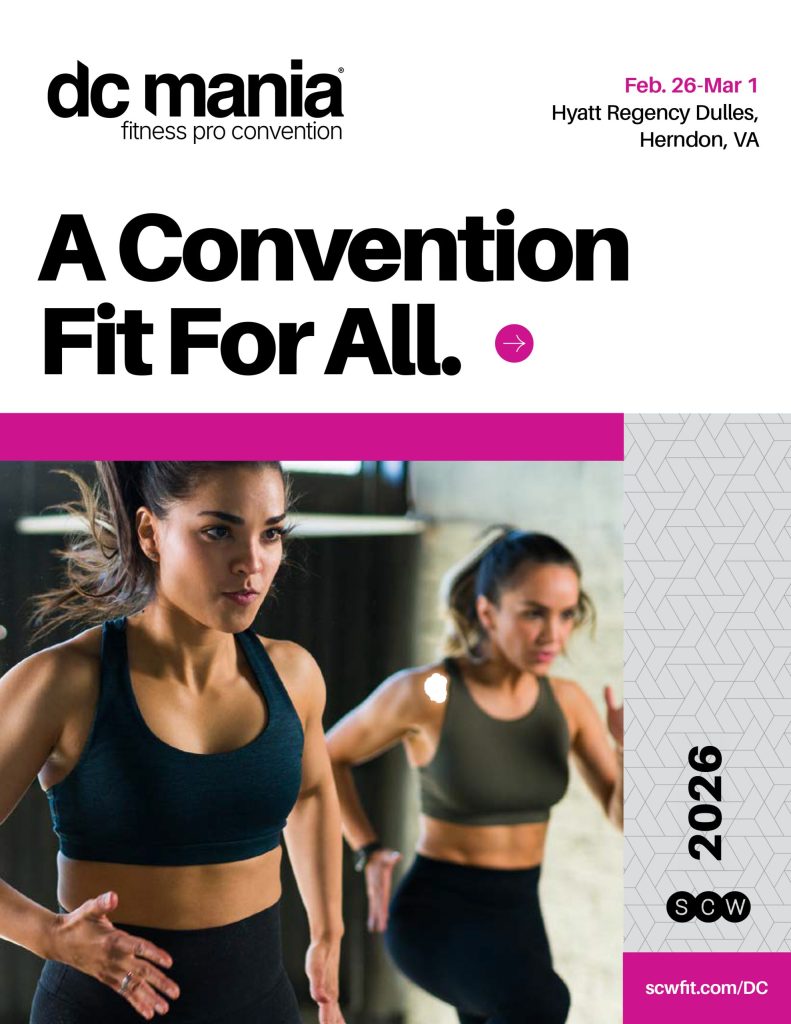
 2026 launched with DC Mania®, the Active Aging Summit, and Live Stream Mania®. If your CEC renewal is approaching, the Nutrition Coaching Summit on May 16 (virtual) is a smart next step. It features 36 sessions led by 21 presenters, with up to 6 CECs/CEUs available. Its flexible format allows access to all sessions for 60 days, so you can learn on your schedule without missing anything.
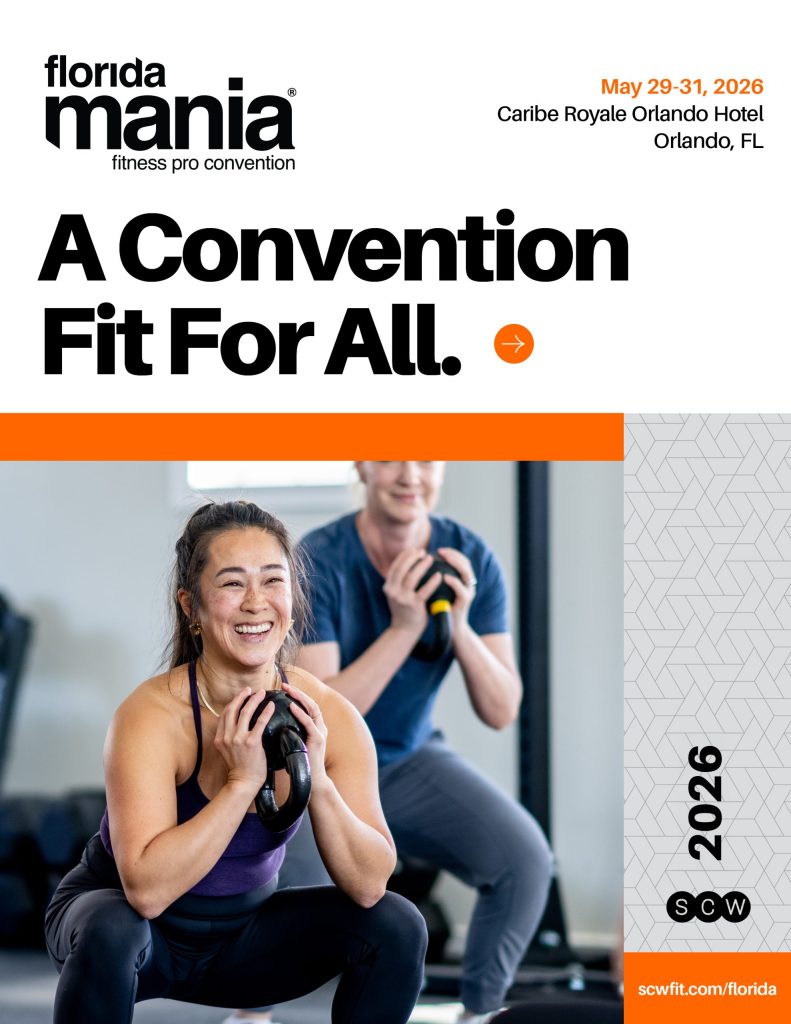
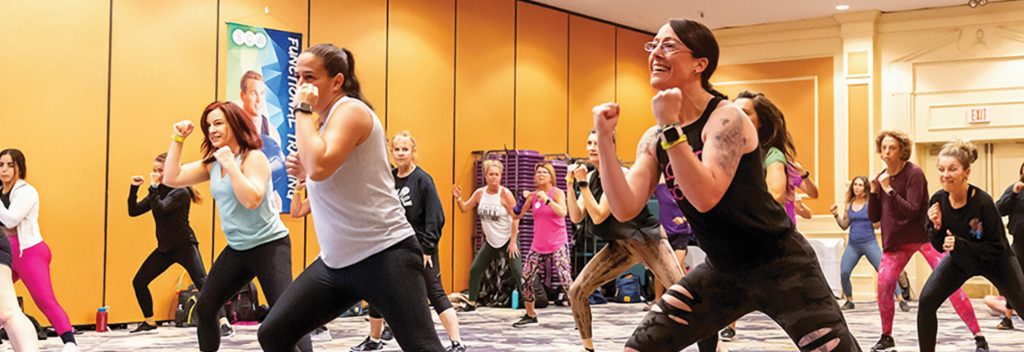
The excitement continues at Florida Mania®, May 29–31 in Orlando at the Caribe Royale. This flagship event offers 200+ sessions, top presenters, and 20+ CECs/CEUs. With multiple sessions running each hour, attendees can tailor their experience. A standout addition this year is the NEW Pilates Reformer room, offering specialized, hands-on training.
Next, the Aqua Exercise Summit (June 13–14, virtual) delivers focused education in aquatic fitness. With 24 live sessions, 36 recordings, and 20+ presenters, attendees can earn up to 12 CECs/CEUs. Its affordability and niche focus make it a valuable deep dive into water-based programming, from personal training to active aging.
The summer lineup continues with Atlanta Mania®, July 31–August 2 at the Grand Hyatt Buckhead. Featuring 200+ sessions and 20+ CECs/CEUs, this event is known for its strong sense of community, networking opportunities, and expansive expo.
Dallas Mania®, August 28–30 at the Westin Galleria, participants can choose a one-, two-, or three-day experience while accessing 200+ sessions and 20+ CECs/CEUs. Its central location and connection to a shopping destination add both convenience and a bit of fun.
 Fall brings Midwest Mania® to the Hilton Rosemont O’Hare, October 2–4, where programming expands beyond fitness to include business, leadership, and retention strategies—ideal for owners and managers. The year wraps up with Boston Mania®, November 13–15 in Danvers, MA, offering 200+ sessions and 20+ CECs/CEUs and a perfect opportunity for end-of-year recertification.
Across all events, the common thread is flexibility, variety, and high-quality education. Whether virtual or in person, each experience offers something unique—from on-demand access to specialized training and high-energy, hands-on learning environments.
Together, these events go beyond continuing education—they support growth, spark innovation, and strengthen connections across the fitness industry.
This Muscle Is the Unsung Hero of Longevity
America has had a long obsession with gluteus muscles. From the “Buns of Steel” workout in the late 1980s to Connor Storrie in “Heated Rivalry,” our culture has spent decades fixated on firm and prominent backsides.
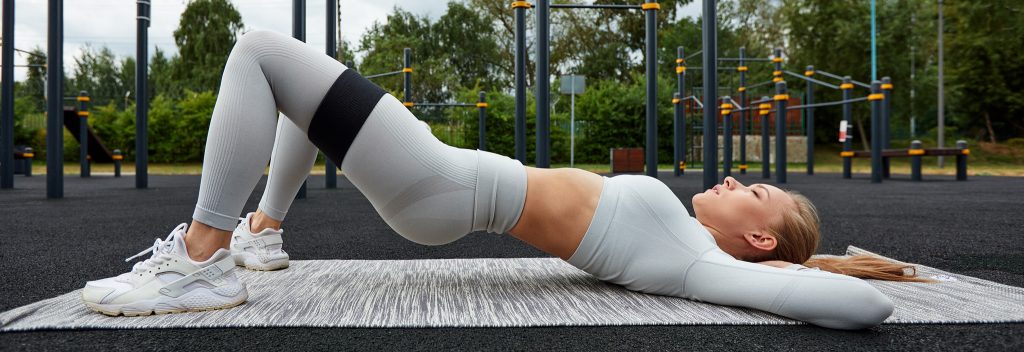
 However, experts are increasingly finding that having a powerful posterior isn’t just about looking good in jeans. The glutes are the largest muscles in our body and are closely tied to stability, balance and aging well. They act like shock absorbers when we walk or climb stairs, and building a strong butt can help prevent and manage back pain at any age and reduce the risk of falling for older adults.
“Glutes are so important” for independent living, said Theresa Marko, a physical therapist in New York and adjunct professor of physical therapy at Touro University. “Do you want to get off the subway? Do you want to get off the toilet?”
Long periods of sitting are bad for your whole body, but they can weaken your glutes in particular, leading to what’s called dead butt syndrome. Despite this, many people neglect these muscles in their workout, said Sandor Dorgo, a professor of kinesiology at the University of Texas at San Antonio, adding that it’s especially important for older people to focus on their lower bodies.
 Here is an argument for paying more attention to your butt.
If your glutes are weak, other muscles overcompensate.
Your glutes are made up of three muscles: the gluteus maximus, medius and minimus. These muscles work together to help you sit, stand, walk, run, jump and lift heavy objects. They also help stabilize the pelvis, which can prevent knee and low back pain, as well as hamstring strains and ankle sprains.
The glutes don’t act alone; they are part of the posterior chain, which runs from the backside of the body, all the way from the heel up to the neck, said Dr. Dorgo.
“Glute strength is important, but glute strength is only important together with the entire lower body,” he said.
If your glutes are weak, your body can overuse your hamstrings and back muscles, which can lead to strains and joint pain or cause you to arch your back while walking or running. Perhaps less obviously, weak glutes can affect how confidently you move, one of the reasons they can lead to more falls, said Constanza Cortes, an assistant professor at the USC Leonard Davis School of Gerontology.
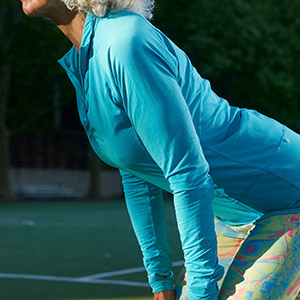 While fear of falling is a complex issue that involves our vision, balance and power, Dr. Dorgo said you need to have good lower body strength to stay upright.
How to tell if your glutes are weak
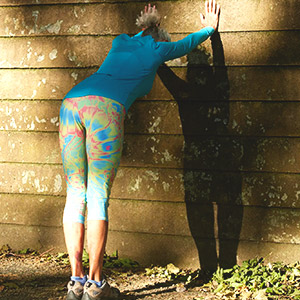
The size of your glutes is not necessarily an indicator of their strength. The way you move, and how you feel while doing it, is often a better guide, experts said. For instance, if your hips sway side-to-side or you waddle as you walk, that can be a sign of a weak gluteus medius, Dr. Marko said. Slouching, or pain in the hips, knees or lower back can also indicate weak glute muscles.
Weak glutes can make it difficult to get out of a chair without using your arms, squat to the floor or walk up or down stairs, Dr. Cortes said. People with weak glutes will often lean slightly forward while climbing stairs, and they may also rely on the handrail.
Tight hamstrings or calves can also be warning signs as they take over the job of your glutes when you’re walking, running or squatting. Weak glutes can even cause pain as far away as your feet or heels. Discomfort in your hamstring when doing a bridge exercise is a dead giveaway, Dr. Marko said.
How to build strong, functional glutes
The key to building powerful glutes for strength and stability is finding exercises that require them to work alongside the hamstrings, quads, lower back in a natural way, Dr. Dorgo said.
“What they need to do is mimic movement patterns that we would see in everyday life,” he said.
 Glute bridges, hip thrusts, squats and deadlifts are particularly useful, experts said. If you already strength train regularly and want to isolate your glutes, clamshells, glute kickbacks, donkey kicks or the hip abduction machine are also good options.
To strengthen your gluteus medius, try monster walks, either with a band or without. Step-ups — which can be performed on a box, bench or stair — are another excellent way to target your glutes, hamstrings and quads. Walking backward, especially up a hill, also works the glutes more than walking on a level surface.
“Glute work is so important,” Dr. Marko said, adding that it doesn’t even have to be hard. “When you’re standing at the stove, try some side leg kicks and some back leg kicks — or just stand on one leg.”
Special thanks to The New York Times for publishing this article. You can view the original post here: This Muscle Is the Unsung Hero of Longevity

Ignite Within: Unlocking the Power of Your Inner Strength
By Lisa Greenbaum
Physical strength matters and so does mental resilience, but for me, real transformation has always come from something deeper: inner strength. It’s the quiet foundation underneath everything else. The part of you that decides to keep going, to trust yourself, and to show up even when life feels uncertain or heavy.
 Inner strength is not about being perfect or always motivated. It’s about building a relationship with yourself that you can rely on. It’s the confidence to make decisions without constantly second-guessing yourself, the ability to stay grounded when things shift, and the courage to keep moving forward even when you don’t have all the answers.
Over time, I’ve learned that when this inner foundation is strong, everything else starts to feel more possible—your body feels stronger, your mind feels clearer, and your choices feel more aligned.
From an energetic perspective, I connect this to the solar plexus chakra—your center of personal power. Located between the diaphragm and the navel, this area is associated with the element of fire. I like to think of it as your internal flame. When it’s balanced, it fuels confidence, discipline (tapas), and a steady sense of purpose. It’s not a chaotic fire—it’s a controlled, supportive one that keeps you moving without burning you out.
But I’ve also seen what happens when this energy feels off balance.When it’s underactive, it can feel like you’ve lost your footing. Like you’re going through the motions but not fully in your life. You might find yourself constantly looking outward for direction or approval, feeling stuck in situations that don’t quite fit anymore. It can show up physically too—through low energy, digestive discomfort, or that heavy feeling of fatigue that doesn’t fully go away.
Emotionally, it can feel like doubt creeps in more often than confidence. On the other side, when this energy is overactive, it doesn’t feel any better. It can come out as frustration, irritability, or feeling like you’re always “on edge.” You might push too hard, react too quickly, or feel like everything is a battle. Sometimes it’s expressed outwardly, and sometimes it’s held in—but either way, it’s exhausting. It’s not true strength—it’s burnout in disguise.
What I’ve come to understand is that real inner strength isn’t found at either extreme. It’s found in balance. A steady fire that supports you instead of controlling you. For me, movement has always been one of the most powerful ways to reconnect with that balance.
When I move my body—whether it’s walking, strength training, yoga, or simply sweating through a workout—I can feel stress start to release. It’s like my body finally gets a chance to clear what my mind has been holding onto. Exercise helps me reset. It helps me come back to myself.
Yoga, in particular, has taught me a lot about this connection. Twists, breathwork, and core-focused movement seem to bring me right back to center. It’s not just physical—it’s grounding. It reminds me to slow down and actually listen inward instead of pushing through on autopilot.
And beyond how it feels in the moment, movement has a real biochemical effect. It supports hormone balance, helps regulate cortisol, and increases endorphins, serotonin, and dopamine—all things that directly impact mood, motivation, and resilience. I notice that when I move consistently, I don’t just feel stronger in my body—I feel more capable in my life.
But I’ve also learned something important: movement alone isn’t always enough. There have been times where I was doing all the “right things” physically but still felt stuck internally. And when that happens, I’ve had to turn inward and ask harder questions.
• Where am I giving my power away?
• What am I still holding onto that’s quietly draining me?
• What am I afraid to let go of?
Those aren’t always easy questions to sit with. But they matter. Journaling has helped me sort through those thoughts when they feel tangled. Talking with someone I trust—or a professional—has helped me see things I couldn’t see on my own. And meditation has helped me create space between my thoughts and my reactions so I can actually hear myself again. Sometimes I’ll repeat the mantra “Ram” (pronounced raum)—the seed sound connected to this energy center. Whether it’s symbolic or simply grounding, it helps me return to a sense of stability when I feel disconnected. What I’ve realized is that inner strength isn’t something you “arrive” at. It’s something you build, lose sight of, return to, and rebuild again. It grows through awareness, practice, and honesty with yourself.
 And maybe most importantly, it grows through self-compassion. For a long time, I thought strength meant pushing harder. Now I see it differently. Strength is knowing when to push—and when to pause. It’s trusting yourself enough to adjust. It’s allowing yourself to evolve instead of staying stuck in what used to work. You may already be doing so much to support your physical and mental health. This is simply an invitation to go one layer deeper.
• To turn inward.
• To reconnect with your center.
• And to strengthen the part of you that
everything else depends on.
Because when your inner fire is steady, you don’t just move through life—you move through it with clarity, confidence, and trust in yourself.
 About the Author: Lisa Greenbaum E-RYT 500
Lisa is the founder of Sangha Yoga Collective, a certified Trauma-Informed Yoga Therapist, E-RYT 500 Yoga Teacher, international presenter, and author. With over 20 years in the fitness and wellness industry, she has earned multiple honors, including Presenter of the Year. A Global Ambassador for WIFA and a Top 100 Health and Fitness Influencer in Canada (2017–2021), Lisa is committed to creating authentic, inspiring experiences.
The Rhythm of Vitality: Why “Complex” Movement is the Secret to Aging Well
By Kendall Nielson
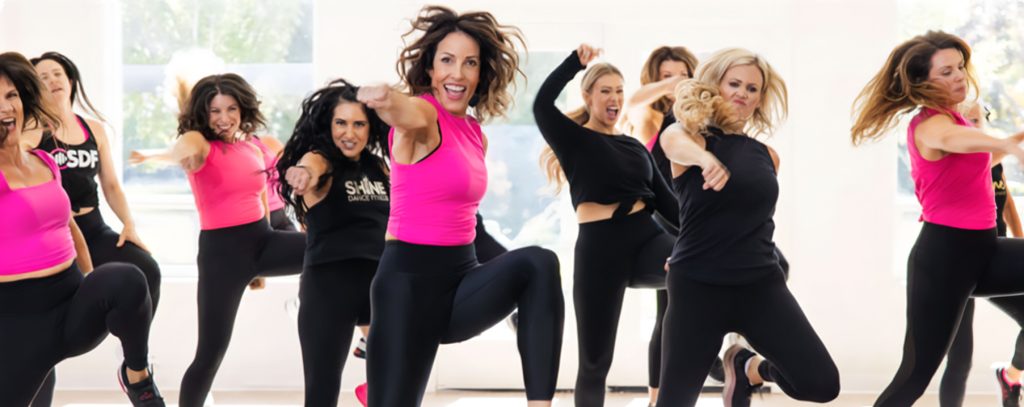
In the world of fitness, there is a common misconception that as we get older, our physical activity should become simpler and more linear. We are often steered toward the repetitive motion of a stationary bike, the predictable gait of a treadmill, or basic calisthenics. While any movement is beneficial, a growing body of research suggests that the aging brain and body actually crave something more complex. For those looking to maintain their edge, a “low-impact” workout shouldn’t have to mean “low-engagement.” This is why many active adults are turning to dance-based fitness, specifically formats like SHiNE Light, which prioritize cognitive health and cultural connection alongside physical mobility.
 The Cognitive Edge: Moving Beyond the “Ten Steps”
The most common feedback from students in specialized dance fitness isn’t just about how their bodies feel, but how their minds feel. Many traditional low impact dance fitness classes rely on a very small loop of repetitive movements. While safe, this “autopilot” mode doesn’t do much for long-term brain health. The magic happens in “choreographed complexity.” By incorporating elements of jazz, ballet, and hip-hop, these routines require the brain to stay “on.” You aren’t just walking in a straight line; you are building a bridge between your ears, your mind, and your feet. In scientific circles, this is known as cognitive flexibility. When you learn a new sequence and transition between different styles of movement, you are challenging your memory and improving your spatial awareness. It is mental gymnastics disguised as a dance party. For many, the joy is found in that “aha!” moment when a complex sequence finally clicks. It provides a sense of mastery that a treadmill simply cannot offer.
A Modern Soundtrack for a Modern Generation
There is a persistent myth that once we hit a certain age, our interest in new music disappears. This often leads to fitness classes for mature adults being set to a loop of 1950s swing or generic “elevator” beats. SHiNE Dance and SHiNE Light flip this script. By using current, chart-topping hits, the kind of music playing on the radio right now, the workout gains a different kind of energy. This isn’t just about being “trendy”; it’s about physiological resonance. A fresh, modern beat can make a workout feel less like a chore and more like a vibrant part of contemporary life. There is also a profound social benefit to staying musically current. There is a unique thrill in recognizing a song that a daughter, son, or grandchild was just playing. It provides a common language. Instead of feeling siloed in an “aging” category, staying updated on modern hits keeps you plugged into the world around you. It’s an empowering feeling to know the lyrics to a trending song, it keeps the spirit feeling relevant and, quite frankly, a bit hip.
Lower Impact, Higher Quality of Life
Of course, longevity in fitness requires listening to the body’s physical needs. The goal is to protect the joints without underestimating the participant’s intelligence. “Light” versions of dance fitness are specifically engineered to be easy on the body. By removing high-impact jumping and jarring movements that can lead to inflammation, the choreography focuses on grounded, fluid motions. The emphasis shifts from “how high can you jump?” to “how well can you move?” By focusing on balance, stability, and a full range of motion, these programs help maintain the agility needed for a high quality of life; whether that involves gardening, traveling, or keeping up with active family members.
The Power of Social Connection
Perhaps the most understated benefit of this kind of movement is the community it builds. Exercise can often be a solitary endeavor, but dance is inherently social. In these classes, the atmosphere is one of shared learning rather than competition. Because the routines are more engaging than a standard aerobics class, there’s a sense of collective accomplishment when the group nails a transition together. This shared experience fosters a sense of belonging that is vital for emotional health. It’s a space where you are seen as an athlete and a dancer, regardless of your starting point or your age.
 Finding Your Groove
Ultimately, fitness in the later chapters of life shouldn’t be about “fixing” ourselves or just “getting through” a workout. It should be about enrichment. Choosing a program that respects your intellect, honors your need for safety, and keeps you culturally connected is an investment in your future self. When you challenge the brain with new steps and fuel the soul with great music, staying fit becomes something you look forward to rather than something you check off a list. It’s about more than just staying active, it’s about staying bright. If you are ready to trade the “same old ten steps” for a workout that challenges your mind and moves your body to the best music of today, SHiNE Light is waiting for you. Designed for all fitness levels with a focus on safety and success, our classes are available both in-person and online.
Ready to see what the hype is about?
Visit shinefitness.com/shine-light to find a class near you or explore our at-home membership options. It’s your time to SHiNE.
 About the Author: Kendall Nielson
Kendall Nielson, founder of SHiNE Fitness, offers SHiNE Dance Fitness, SHiNE Light, and Uplift Strength Fitness. Based in Boise, ID, she has grown the brand to nearly 300,000 YouTube subscribers, thousands of online members, and over 1,000 licensed instructors worldwide. An AFAA, ACE, and NASM continuing education provider, Kendall leads exclusive trainings and inspires community, connection, and empowerment through movement.

Beyond Macros: Reading Food Labels Like a Pro
By Mel Scott
Walk down any supplement or snack aisle and you’ll see the same pattern: bold claims of high protein, low sugar, keto‑friendly, or macro‑approved. For many fitness‑minded consumers, reading a food label begins and ends with calories, protein, carbohydrates, and fat. While those numbers matter, they tell only part of the story. If your goal is long‑term health, performance, and body composition—not just hitting today’s macros—you need to look deeper. The ingredient list often reveals “hidden” components that may negatively affect gut health, metabolic function, inflammation, and overall, well‑being when consumed chronically. This is especially relevant during periods when protein intake is high, such as bulking phases, fat‑loss diets, or busy lifestyles that incorporate protein bars and powders into the overall diet. This article will help you become a more advanced, savvy label reader—going beyond macros and into ingredient quality—so you can make informed choices that truly support your goals.
 Step 1: Start With the Ingredient List, Not the Nutrition Facts
The most overlooked rule of label reading is this: ingredients matter as much as macros. In the United States, ingredients are listed by weight, from highest to lowest. That means the first three to five ingredients make up the majority of the product. If those ingredients are highly processed additives, fillers, or artificial compounds, the product’s “high‑protein” label doesn’t automatically make it a good choice.
General rules of thumb:
• Shorter lists help only if ingredients have purpose; length doesn’t equal quality.
• Familiar ingredients suggest less processing; unfamiliar ones aren’t harmful.
• Repeated non-nutritive additives warrant scrutiny with frequent intake.
Step 2: Watch for Ultra‑Processed Sweeteners
Many protein bars and powders rely on artificial or highly refined sweeteners to reduce sugar and calories. While occasional intake may not be problematic, chronic overconsumption can have unintended consequences.
Sweeteners to avoid overconsuming include:
• Sucralose
• Acesulfame potassium (Ace‑K)
• Sugar alcohols (erythritol, maltitol, sorbitol)
Research suggests that some non‑nutritive sweeteners may alter gut microbiota and impair glucose regulation in certain individuals. Sugar alcohols may also cause gastrointestinal distress—especially when consumed frequently.
Step 3: Emulsifiers and Gums—Small Ingredients, Big Impact
To improve texture and shelf life, many bars include stabilizers such as carrageenan, polysorbate 80, carboxymethylcellulose, xanthan gum, or guar gum. Evidence suggests that some emulsifiers may disrupt the gut barrier and promote low‑grade inflammation when consumed regularly. Those with digestive sensitivity should pay close attention to these ingredients.
Step 4: Protein Source Quality Matters
Not all protein sources are created equal. Many products rely on low‑cost blends that include incomplete proteins or highly processed isolates. Incomplete proteins, such as collagen, should not be relied upon for muscle building due to their limited amino acid profile. High‑quality products clearly identify complete protein sources and emphasize transparency. Examples include whey protein isolate or concentrate, egg white protein, milk protein (whey + casein), and clearly labeled plant-based blends (such as pea and rice combined to provide a complete amino acid profile). In contrast, vague terms like “protein blend” without source disclosure make it difficult to assess protein quality.
Step 5: Seed Oils and Inflammatory Fats
Refined seed oils such as soybean, canola, and sunflower oil are commonly used for texture and cost savings. These oils are often highly refined and prone to oxidation. Excessive omega‑6 intake relative to omega‑3s has been associated with increased inflammatory markers. Prioritizing whole‑food fat sources can help support metabolic health.
Why This Matters
Athletes and professionals often consume multiple protein bars or shakes daily. Even small amounts of additives can accumulate over time, affecting gut health, inflammation, and energy levels. A Smarter Standard: Simplicity, Transparency, and Taste. Linear Protein Bar was created with the philosophy that performance nutrition should rely on simple, organic, all‑natural ingredients. Rather than masking poor inputs with marketing buzzwords, Linear emphasizes transparency and ingredient quality—without sacrificing taste.
 Final Takeaway
Macros are a starting point—but not the finish line. True nutrition literacy means understanding ingredient quality, cumulative exposure, and long‑term health impact. Choosing better quality products such as Linear Bar supports not just physique goals, but overall wellness. Curious what clean, crave-worthy protein really tastes like? Join us at SCW Florida Mania®, May 29–31 at the Caribe Royale Orlando, and experience Linear Bar for yourself. Stop by to sample our most-loved flavors and discover how indulgent taste meets uncompromising purity.Can’t make it in person? No problem—visit www.linearbar.com to explore the story behind Linear Bar and find your new go-to protein bar.
 About the Author: Mel Scott
Mel Scott, a lifelong athlete, is the founder and CEO of Linear Bar. After autoimmune issues disrupted her performance, she discovered many protein bars contained inflammatory ingredients and artificial additives that were undermining her health. Determined to get better, she immersed herself in nutrition, focusing on clean, whole foods. When she couldn’t find a protein bar that met her standards, she spent three years developing one. Linear Bar is certified organic, made without seed oils or artificial ingredients, and tastes like a decadent treat. Today, Mel is leading a clean-eating movement, redefining how people fuel their bodies with high-performance, delicious nutrition.
Energy, Resilience, and Healthy Aging: A R.E.A.L. Approach for Fitness Professionals
By Jessica Moyer
In today’s high-demand fitness industry, professionals are often the first to pour into others—yet the last to prioritize their own well-being. Behind the scenes, many are navigating fatigue, burnout, and inconsistency in their own routines.
 The truth is, knowing what to do isn’t the problem—sustaining it is.
For me, this realization didn’t come from a textbook—it came from real life.
There was a season where I was doing everything “right” on paper—staying active, showing up for others, pushing through—but internally, I was exhausted. Life had shifted, my responsibilities had grown, and the routines that once worked no longer fit the season I was in.
It forced me to step back and ask a different question:
What actually works in real life—and what can I sustain?
That question became the foundation of what I now teach as the R.E.A.L. Wellness Framework.
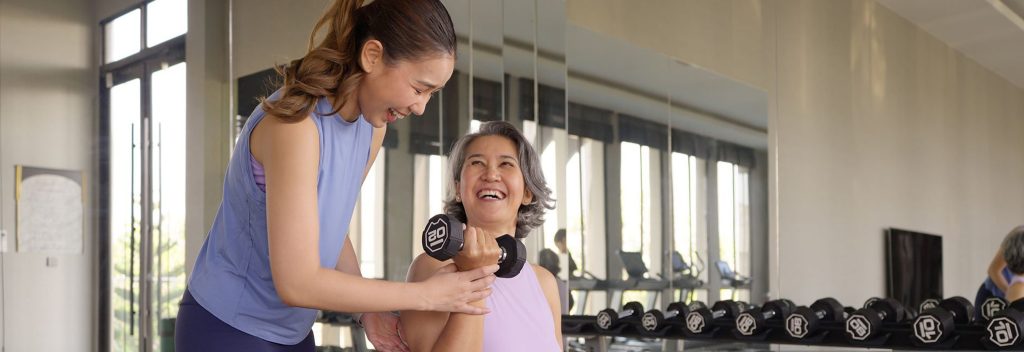
As our clients age—and as we do—the conversation must shift from intensity and aesthetics to energy, resilience, and longevity. Healthy aging is not about doing more; it’s about doing what works consistently over time.
R — Realistic Foundations
Programs often fail because they are not built for real life. Fitness professionals may prescribe ideal plans that don’t align with a client’s schedule, stress level, or energy capacity.
Sustainable change begins with honesty:
What can you—and your clients—consistently commit to in this season?
Shorter workouts, simplified nutrition, and flexible routines are not compromises—they are strategies for long-term success.
E — Energy as the Priority
Energy is the foundation of performance, recovery, and consistency—yet it is often overlooked.
Clients do not need more intensity; they need more capacity.
Sleep, nutrition (especially adequate protein), hydration, and stress management are essential for energy production. Without them, even the best-designed program will fall short.
Fitness professionals must begin asking:
Am I helping my clients build energy—or deplete it?
A — Aligned Action
Overcomplication is one of the biggest barriers to consistency.
When clients are given too many goals, they often do none of them well. Instead, focus on 1–3 high-impact actions that align with their lifestyle.
Consistency builds confidence.
Confidence builds momentum.
Aligned action ensures progress is not only achieved—but maintained.
L — Love and Longevity
The most overlooked element in coaching is compassion.
Self-criticism and all-or-nothing thinking contribute to burnout and dropout. Clients don’t need more pressure—they need support, understanding, and a space to rebuild trust with themselves.
When individuals feel supported rather than judged, adherence improves—and transformation becomes sustainable.
Redefining Success
Healthy aging is not defined by extremes. It is built through daily habits that support strength, mobility, metabolic health, and mental well-being.
For fitness professionals, this means shifting from:
- Intensity → Sustainability
- Short-term results → Long-term outcomes
- Programming → Behavior change
Because our role is not just to train bodies—it’s to help people build lives they can sustain.
 The Takeaway
Life, stress, and aging will challenge consistency. The goal is not to avoid these challenges—but to build a foundation strong enough to navigate them.
The R.E.A.L. Framework was built not just from theory, but from experience—through seasons that required adjustment, honesty, and a different approach to health.
When fitness professionals apply it—first to themselves, then to their clients—they create a model of health that is not only effective, but enduring.
Healthy aging isn’t accidental. It’s built—intentionally, consistently, and R.E.A.L.


Celebrating 2026 IDEA Fitness Award Recipients
Each year, our community comes together to celebrate the people who are moving the fitness industry forward. Those who inspire, educate, and lead with purpose. At the 2026 NIRSA+IDEA World Expo and Conference in National Harbor, MD, we proudly honored this year’s outstanding award recipients. We’re thrilled to announce Dr. Judi Brown Clark as the recipient of the prestigious 2026 IDEA® Jack and Elaine LaLanne Award. Jack and Elaine LaLanne didn’t just inspire people to move…they changed the way our nation thinks about health, longevity, and what’s possible through fitness. This Award honors an individual who carries that legacy forward; someone who not only believes in the power of movement but uses their voice and platform to expand its reach, its relevance, and its impact.
 “Receiving the 2026 IDEA Jack & Elaine LaLanne Award is a profound honor for me personally and for the National Fitness Foundation. Jack and Elaine LaLanne were true pioneers who inspired generations to see physical activity as a pathway to health, vitality, and human potential. Their vision reminds us that fitness is far more than exercise—it is a powerful catalyst for stronger individuals, healthier communities, and a better quality of life for all. Through my work with the National Fitness Foundation, I remain deeply committed to expanding opportunities for physical activity, inspiring young people to embrace movement, and advancing health equity so that every person and every community has the chance to thrive.”
-Judi Brown Clark, PhD
2026 IDEA Instructor of the Year – Ellen de Werd
Ellen de Werd exemplifies professionalism, educational excellence, and community-centered instruction. Her career reflects a consistent commitment to evidence-based programming and meaningful participant engagement. Her ongoing investment in continuing education and mentorship demonstrates the leadership qualities that define IDEA’s highest standards.
 2026 IDEA Personal Trainer of the Year – Stephen Holt
Stephen Holt has delivered more than 50,000 personal training sessions since becoming a full-time trainer in 1997. A former ACE Personal Trainer of the Year and longtime industry contributor, his career reflects both historical significance and forward-thinking innovation within the profession. Client outcomes demonstrate measurable improvements in strength, mobility, and resilience.
2026 IDEA Fitness Leader of the Year – Jessica H. Maurer
Jessica H. Maurer is a strategist and educator shaping the integration of mental well-being within fitness education. With more than 20 years of international presentation experience, she has developed certifications and educational frameworks that emphasize sustainable professional growth and inclusive coaching practices.
Congratulations to the 2026 Award Recipients!

The Role of Balance in Human Performance: Why It’s Undervalued—and How BALEROboard® Is Advancing Training
By Karen Harbour
In the evolving landscape of fitness and human performance, there is a growing emphasis on integrated training models that prioritize movement quality, joint integrity, and long-term resilience. While strength, cardiovascular conditioning, and mobility remain foundational, balance is increasingly recognized as a critical yet undertrained component of comprehensive programming. For fitness professionals, understanding and applying balance training is no longer optional—it is essential for improving performance outcomes, reducing injury risk, and supporting clients across the lifespan.
 Defining Balance in a Performance Context
Balance is often misunderstood as a static skill (e.g., single-leg stance), but in practice, it is a dynamic neuromuscular process involving:
• Proprioceptive input (joint and mechanoreceptor feedback)
• Vestibular system regulation
• Visual integration
• Central nervous system coordination
This system governs how the body maintains its center of mass over its base of support—both statically and during movement. In applied settings, balance is directly linked to:
• Force production efficiency
• Deceleration and change of direction
• Joint stabilization under load
• Motor control and movement precision
Why Balance Training Matters for Clients and Athletes
1. Neuromuscular Efficiency
Balance training enhances communication between the nervous system and musculature, improving recruitment patterns and coordination. This is particularly important for multi-joint, multi-planar movements.
2. Joint Stability and Injury Mitigation
Training under unstable or variable conditions increases activation of stabilizing musculature, particularly around the ankle, knee, and hip. This contributes to improved joint integrity and reduced injury risk—especially in populations prone to instability or imbalance.
3. Core Function Beyond Isolation
Rather than isolating the core through traditional exercises, balance training promotes reactive core stabilization, requiring the trunk to respond to external perturbations. This more closely reflects real-world and sport-specific demands.
4. Force Transfer and Kinetic Chain Integration
Efficient movement relies on the seamless transfer of force through the kinetic chain. Balance deficits can disrupt this transfer, leading to compensatory patterns and decreased performance output.
5. Aging and Functional Independence
From a longevity perspective, balance is one of the strongest predictors of fall risk and independence. However, when trained appropriately, it can be improved at any age, making it a critical component of programming for older adults.
Limitations of Traditional Balance Training
Despite its importance, balance training is often underutilized or poorly implemented in fitness settings. Common limitations include:
• Over-reliance on static drills with limited transfer to dynamic movement
• Lack of progression or scalability
• Minimal integration into strength and conditioning programs
• Equipment that does not adequately challenge multiple systems simultaneously
For balance training to be effective, it must be progressive, multi-planar, and integrated into functional movement patterns.
Advancing Balance Training: The BALEROboard® Approach
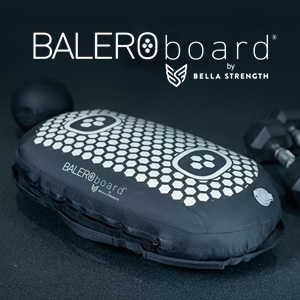
BALEROboard® represents an innovative advancement in balance training by introducing a dual-modality system that challenges both stability and strength under variable conditions.
Key Design Features
1. Inflatable Stability Platform
When air-filled, the board creates an unstable surface that requires continuous postural adjustments, enhancing:
• Proprioceptive feedback
• Ankle and hip strategy development
• Static and dynamic stabilization
2. Water-Filled Dynamic Resistance When filled with water, the internal load shifts unpredictably, creating reactive instability. This introduces:
• Variable resistance patterns
• Increased neuromuscular demand
• Enhanced core activation through perturbation
This dual functionality allows practitioners to progress clients from basic stabilization to more complex, reactive training environments.
Application in Program Design
One of the most valuable aspects of BALEROboard® is its ability to be integrated into existing programming rather than treated as a standalone modality.
Strength Integration
Balance can be layered into traditional strength exercises:
• Squats with unstable base
• Split stance or single-leg loading
• Upper body pressing or pulling with stabilization demand
This increases motor unit recruitment and improves movement efficiency without significantly increasing load.
Movement Training
Incorporating rotational and multi-planar movements on the board enhances:
• Transverse plane control
• Deceleration mechanics
• Athletic movement patterns
Core Training
The unpredictable nature of the water-filled system requires constant trunk stabilization, effectively training:
• Anti-rotation
• Anti-extension
• Reactive core engagement
Benefits for Diverse Populations
Active Aging
• Improves balance confidence and postural control
• Reduces fall risk
• Supports functional independence
General Fitness Clients
• Adds variability and challenge to routine workouts
• Enhances coordination and body awareness
• Supports joint health and longevity
Athletes
• Improves reactive strength and agility
• Enhances proprioception under load
• Supports injury prevention strategies
Rehabilitation Settings
• Provides controlled instability for progressive loading
• Rebuilds neuromuscular control
• Bridges the gap between rehab and performance
The Future of Integrated Training
As the industry continues to move toward evidence-based, performance-driven programming, the integration of balance training will become increasingly important. Fitness professionals are shifting away from isolated modalities toward systems that train the body as a cohesive unit.
BALEROboard® aligns with this shift by offering a portable, scalable, and highly adaptable tool that enhances:
• Movement quality
• Neuromuscular coordination
• Functional strength
 Balance is not an accessory to training—it is a foundational component of human movement and performance. For fitness professionals, the ability to effectively assess, program, and progress balance training is essential for delivering results that extend beyond aesthetics and into long-term health and function. By integrating advanced tools like BALEROboard®, professionals can move beyond traditional approaches and provide clients with a more dynamic, efficient, and impactful training experience. Sound intriguing? Come try BALEROboard® firsthand at SCW Florida MANIA®, May 29-31 at the Caribe Royale Orlando. Registration is open with options from 1, 2, or 3-days starting at $159. Not able to join SCW and BALEROboard® in-person, learn more about this unique balance training tool at www.baleroboard.com.
 About the Author: Karen Harbour
Karen Harbour is a lifelong strength trainer, coach, and first-time mom at 49, with over 20 years in the fitness industry. Having taught more than 10,000 classes and coached over 100,000 individuals, she has worked extensively in strength, CrossFit, and women’s performance training. As the founder of Bella Strength, she empowers women to train smarter through strength and balance. She is also the creator of BALEROboard®, an innovative, portable balance training tool designed to make functional training accessible, effective, and engaging.
Dairy-Free Protein Banana Bread
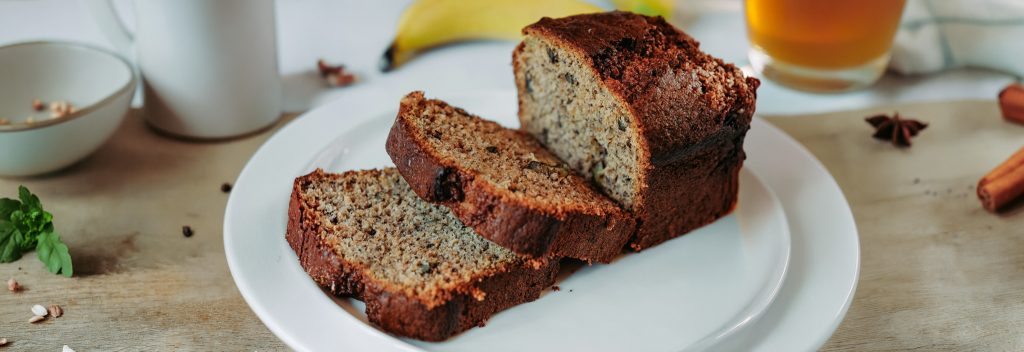
Moist, naturally sweet, and nutrient-dense, this dairy-free banana bread delivers a satisfying protein boost without sacrificing flavor. Made with wholesome ingredients like oat flour, almond flour, and ripe bananas, it’s perfect for breakfast, post-workout fuel, or a healthy snack that supports energy, strength, and balanced nutrition throughout the day.
 Ingredients
• 3 ripe bananas (mashed)
• 2 eggs
• 1/4 cup maple syrup or honey
• 1/4 cup unsweetened almond milk (or any dairy-free milk)
• 1 tsp vanilla extract
• 1 cup oat flour (or blended oats)
• 1/2 cup almond flour
• 1/2 cup vanilla or unflavored protein powder (plant-based or whey isolate if tolerated)
• 1 tsp baking soda
• 1 tsp cinnamon
• 1/4 tsp salt
• 1/4 cup walnuts or pecans
• 1/4 cup dairy-free chocolate chips
• 1 tbsp chia or flax seeds
 Instructions
1. Preheat oven to 350°F (175°C). Line or grease a loaf pan.
2. Mash bananas in a large bowl. Whisk in eggs, maple syrup, almond milk, and vanilla.
3. In a separate bowl, mix all dry ingredients.
4. Fold dry ingredients into wet until just combined (don’t overmix).
5. Stir in any add-ins.
6. Pour into pan and bake 45–55 minutes, until a toothpick comes out clean.
7. Let cool before slicing (this keeps it from crumbling).
• Protein: ~8–12g (depends on powder)
• Sugar: lower than traditional banana bread
• Healthy fats from almonds
• Vegan: replace eggs with 2 flax eggs
• Lower sugar: skip maple syrup (ripe bananas carry sweetness)
• Higher protein: increase protein powder slightly + add Greek-style dairy-free yogurt


We’re always looking for great content highlighting the newest things in the world of fitness. Please submit your article directly to editor@scwfit.com for immediate consideration!