
By Mark Thiesmeyer Hook, M.S., Exercise Physiologist & Registered Dietitian
Walk through any fitness conference, and you’ll hear the same advice repeated over and over. “Strengthen the glutes.” Do more bridges. More clamshells. More monster walks. More squats. Fitness professionals have taught these exercises for years because they know how essential the glutes are for movement, performance, and injury prevention. Yet many trainers have experienced the same frustration. A client performs every glute exercise faithfully for weeks—even months—and still complains of lower back pain, tight hips, sore hamstrings, or knees that simply don’t feel right. The exercises were correct. The programming was sound. So why didn’t the client improve? Perhaps trainers have been asking the wrong question.
 Looking Beyond Weak Muscles
Dead Butt Syndrome—or gluteal amnesia—is becoming an increasingly common topic among runners, personal trainers, physical therapists, and strength coaches. The name sounds almost humorous. The consequences are anything but. When the gluteal muscles fail to activate efficiently, the body immediately begins searching for another strategy. The hamstrings take over. The lumbar spine stiffens. Hip flexors become tight. Knees absorb forces they weren’t designed to manage. Eventually, clients begin describing what many trainers hear every day:
“My lower back always tightens.”
“My hamstrings do all the work.”
“I just can’t get my glutes to fire.”
Most solutions begin by strengthening the muscles. But what if muscle weakness isn’t the root problem?
Sitting May Be Changing More Than Trainers Realize
Modern life asks clients to spend hours every day sitting. They sit during their commute. They sit at their desks. They sit through meetings. Then they arrive at the gym expecting their bodies to move like they haven’t been sitting all day. Prolonged sitting keeps your hips bent and pushes the sacrum—the large triangular bone at the base of your spine—up into your lower back. Over time, this constant pressure may do more than make you feel stiff. The nerves that control your glute muscles originate in the lower back and sacrum. When the sacrum is compressed from prolonged sitting, those nerves fail to send their normal strong signals to the glutes. As a result, the glute muscles don’t contract or fire the way they should. When those neurological signals become compromised, asking the glutes to contract may be like asking a light bulb to shine without electricity. The bulb isn’t broken. The signal simply isn’t reaching it efficiently.
Rethinking the Sequence
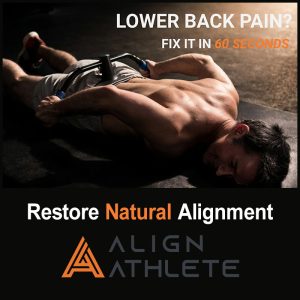
This idea completely changed how we at Align Athlete look at client training. Instead of asking how to strengthen weak glutes, we began exploring how to restore the body’s ability to activate the glutes before asking the muscles to work. Our team started testing every client’s glute and their sacral/lumbar alignments and what we discovered over the next 5 years is that good alignment = strong glutes. Alignment is easier to restore than you might imagine. Sacral alignment can often be achieved in as little as 60 seconds. When alignment is restored and compression around the sacrum is reduced, traditional strengthening exercises often become far more effective because the muscles are finally available to participate. For trainers and group fitness instructors, this opens an entirely new way of thinking about movement preparation. By understanding alignment (and common misalignments) fitness professionals can make exercise more effective and safer.
 Helping Clients Move Better
Every fitness professional has clients who seem trapped in the same cycle. They feel better. Then their pain returns. They strengthen. They stretch. They foam roll. They improve temporarily. Then the symptoms return once again. What if some of these clients don’t need more exercises? What if they simply need their bodies prepared differently before those exercises begin? As trainers, our greatest value isn’t knowing hundreds of exercises. It’s knowing which intervention the client needs first. Sometimes that one insight changes everything. To read more about glute activation, check out our research studies at https://alignathlete.com/pages/research.
Join the Conversation at Midwest MANIA®
Do you think you’re working with clients dealing with Dead Butt Syndrome? Join Mark at SCW Midwest MANIA®, October 2-4, at the Rosemont Chicago O’Hare, where he is presenting a session that explores this growing concept from a different perspective. The workshop includes how to optimize glute strengthening by examining the relationship between prolonged sitting, sacral alignment, and glute activation. Learn practical techniques you can immediately incorporate into training programs. Whether you coach athletes, work with active older adults, teach group fitness, or help clients overcome chronic lower back pain, take home a new framework for evaluating one of the most common movement problems seen today.

About the Author: Mark Thiesmeyer
Mark Thiesmeyer, MS, MPH, is a Certified Exercise Physiologist, Registered Dietitian, entrepreneur, and founder of Align Athlete and Better Living Fitness. For more than 25 years, he has helped clients improve movement, reduce pain, and optimize performance through evidence-based exercise and nutrition strategies. Mark currently develops innovative alignment tools that empower individuals to improve their own movement and recovery. He also serves as a leader within the Michigan Academy of Nutrition and Dietetics, advancing health and wellness throughout the profession.
By Sara Kooperman, JD
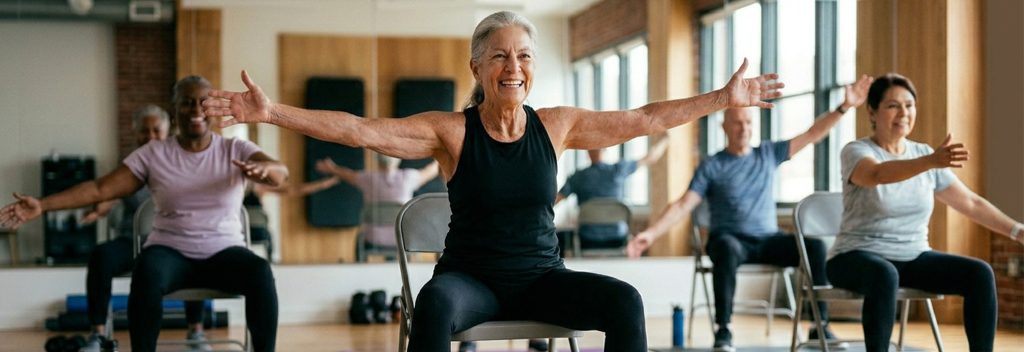
The discussion surrounding standing versus seated exercise has become increasingly common in the fitness industry, particularly when programming for active aging populations. Opinions are often passionate, with statements such as, “Standing activates the glutes. Seated exercise doesn’t strengthen the glutes. Ninety percent of seated exercise occurs in the sagittal plane.” While each of these statements contains some truth, none tells the complete story. Exercise science is rarely black and white. The real question is not whether standing exercise is “better” than seated exercise, but rather whether the exercise matches the participant’s abilities, goals, medical considerations, and stage of functional development. Fitness professionals have a responsibility to move beyond opinion and rely on research, biomechanics, and physiology when designing programs that improve function, reduce pain, and enhance quality of life.
 Standing Exercise and Glute Activation
Standing exercise unquestionably creates greater opportunities for glute activation. The gluteal complex—including the gluteus maximus, gluteus medius, and gluteus minimus—is responsible for much more than simply creating an attractive physique. These muscles stabilize the pelvis, control hip motion, maintain balance, absorb force, and generate powerful movement during walking, stair climbing, lifting, and countless activities of daily living. However, simply standing does not automatically strengthen the glutes. A person quietly standing in line at a grocery store demonstrates relatively little glute activation. The muscular demand changes dramatically when movement is introduced. Exercises that significantly increase glute recruitment include:
• Squats
• Lunges
• Step-ups
• Deadlifts
• Hip hinges
• Single-leg balance exercises
• Walking lunges
• Lateral stepping
• Stair climbing
These movements require the hips to stabilize, extend, and generate force, resulting in substantially greater glute activation than quiet standing. In other words, it is not the standing position itself that strengthens the glutes—it is the movement performed while standing.
Does Seated Exercise Strengthen the Glutes?
One of the most common misconceptions is that seated exercise cannot strengthen the glutes. This statement is too broad. Traditional seated exercise generally produces lower glute activation because:
• Body weight is supported by the chair.
• Balance demands are greatly reduced.
• Hip extension is limited.
• Postural stabilization requirements decrease.
These factors naturally reduce muscular demand. However, seated exercise can absolutely strengthen the glutes when appropriately programmed. Examples include:
• Seated hip abduction using resistance bands
• Isometric glute contractions
• Resisted seated marching
• External hip rotation
• Seated leg presses
• Seated resistance training using bands or cables
Electromyography (EMG) research consistently demonstrates measurable glute activation during these exercises. Although the activation levels are generally lower than comparable standing exercises, meaningful strengthening can still occur, particularly among beginners, older adults, and individuals recovering from injury. The correct scientific conclusion is this: Standard seated exercise generally produces less glute activation than standing exercise, but seated exercise can still strengthen the gluteal muscles when designed appropriately.
The Role of Weight Bearing
Standing exercise introduces another important physiological component: weight bearing. Weight-bearing exercise contributes to:
• Bone health
• Balance development
• Neuromuscular coordination
• Joint stability
• Functional independence
The body’s proprioceptive system is challenged continuously while standing. Small muscles surrounding the ankles, knees, hips, and spine work together to maintain balance and respond to changes in body position. This is one reason standing exercise plays such an important role in fall prevention programs. However, weight bearing is not appropriate for every participant. Many older adults begin their exercise journey with:
• Arthritis
• Osteoporosis
• Joint replacements
• Neurological disorders
• Chronic pain
• Poor balance
• Fear of falling
 For these individuals, seated exercise provides a safe environment to build confidence, strength, and cardiovascular endurance before progressing toward standing activities.
Does Sitting Hurt the Hips?
Another statement frequently heard is that seated exercise “doesn’t hurt the hips.” From a biomechanical perspective, this is generally accurate. During seated exercise:
• Joint loading decreases.
• Ground reaction forces are reduced.
• Balance demands are minimized.
• Compressive forces through the hips and knees decline.
This makes seated exercise very appropriate for individuals with:
• Osteoarthritis
• Hip pain
• Knee pain
• Balance disorders
• Recent surgery
• Frailty
However, prolonged sedentary sitting is an entirely different issue. Research consistently demonstrates that excessive sitting throughout the day contributes to:
• Tight hip flexors
• Reduced hip extension
• Decreased glute activation
• Reduced metabolic health
• Lower functional capacity
• Increased cardiovascular risk
The chair itself is not the problem. The absence of movement is.
Seated exercise should never be confused with sedentary behavior. Participants in seated classes are actively challenging their cardiovascular, muscular, neurological, and cognitive systems despite remaining seated.
The Importance of Moving in Three Planes
Perhaps the strongest criticism of many exercise programs is their overreliance on movement within the sagittal plane. Many seated programs—and surprisingly, many standing programs as well—consist primarily of:
• Marching
• Knee lifts
• Leg curls
• Kicks
• Forward reaches
• Overhead presses
These are all valuable movements. However, humans rarely function exclusively in the sagittal plane. Daily activities require movement through all three planes:
• Sagittal Plane — forward and backward movement
• Frontal Plane — side-to-side movement
• Transverse Plane — rotational movement
Everyday activities such as:
• Getting into a car
• Reaching across the body
• Carrying groceries
• Turning around
• Stepping over obstacles
• Recovering from a loss of balance all require multiplanar movement.
Research consistently demonstrates that multiplanar training improves:
• Balance
• Coordination
• Fall prevention
• Mobility
• Athletic performance
• Functional independence
Organizations including the American College of Sports Medicine (ACSM), National Strength and Conditioning Association (NSCA), and World Health Organization (WHO) all recommend incorporating multidirectional movement into exercise programming for older adults. Whether participants are seated or standing, movement should challenge all three planes whenever possible.
The Purpose of Seated Exercise
One of the greatest misconceptions surrounding seated exercise is that it is somehow “less than” standing exercise. Nothing could be further from the truth. Well-designed seated programs improve:
• Cardiovascular endurance
• Muscular strength
• Joint mobility
• Cognitive function
• Confidence
• Functional capacity
• Social engagement
• Quality of life
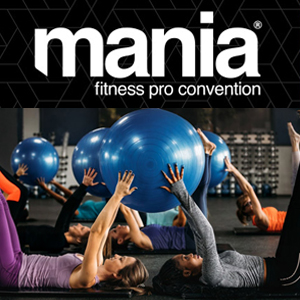 For many participants, seated exercise represents the beginning of a progression—not the destination. As strength improves, participants often advance toward standing balance activities, transitions between sitting and standing, and eventually fully standing classes. Progression—not position—is the true goal.
The Best Programs Combine Both
Rather than debating whether seated or standing exercise is superior, fitness professionals should recognize that each serves a unique purpose. An ideal active aging program includes:
• Progressive strength training
• Standing balance work
• Seated strengthening when appropriate
• Functional movement
• Multiplanar mobility
• Cardiovascular conditioning
• Cognitive challenges
• Flexibility
• Transitional movements between sitting and standing
Every participant enters the fitness journey at a different place. Some begin standing. Others begin seated. Neither approach is inherently better. Both can be evidence-based, effective, and life-changing when programmed appropriately.
The Bottom Line
The discussion should never center on whether seated exercise is “good” or “bad.” Instead, fitness professionals should ask whether the program meets the needs of the participant while creating opportunities for continual progression. Standing exercise generally recruits the gluteal muscles more effectively because it introduces weight-bearing, balance, and hip-extension demands. Seated exercise generally produces lower levels of glute activation, but it can still strengthen the glutes, improve cardiovascular fitness, increase confidence, and enhance functional independence when thoughtfully designed. Ultimately, the best programs combine the strengths of both approaches. They recognize that fitness is not about choosing between a chair and standing—it is about helping people move better, move more confidently, and maintain independence for the rest of their lives.

About the Author: Sara Kooperman, JD
Sara Kooperman, JD, CEO of SCW Fitness Education, WATERinMOTION®, and S.E.A.T. Fitness, Founder of the Mania® Convention, sits on the canfitpro Advisory Panel and the Gold’s Gym Think Tank and was a founding board member for the Women In Fitness Association (WIFA). Recently nominated for the IDEA Fitness Leader of the Year Award, Kooperman won the Most Innovating Fitness Pro by FIT-C (Fitness Industry Technology Council). Sara is the best-selling author of FIT FOR BUSINESS, an inductee into the National Fitness Hall of Fame, an Illinois State Businesswoman of the Year, esteemed panelist for multiple Webinars & Podcasts, and sits on the ACSM Communication & Public Information Committee.
By: Raina Childers-Richmond, MS, RDN, CHC
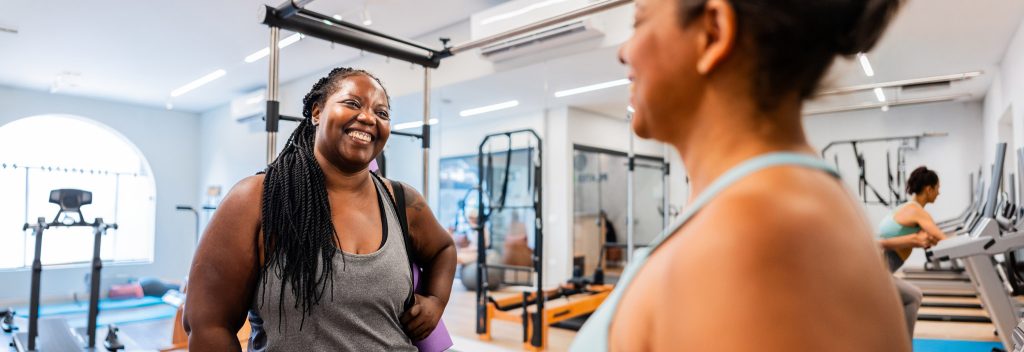
The world of weight management has shifted permanently with the arrival of GLP-1 medications. As fitness professionals, you are often in the unique position of seeing clients more frequently than any other member of their healthcare team. This makes you the frontline of support, helping clients navigate a major, personal decision to use these tools to manage their health.  Making the choice to use obesity medications is often a step toward regaining hope and managing cardio-metabolic disease. These individuals aren’t looking for a shortcut; they are seeking a path to a healthier life, and your encouragement is a key to making that transformation sustainable.
Understanding the Tools of the Trade
GLP-1 (Glucagon-Like Peptide-1) is a natural hormone that helps the body regulate blood sugar and appetite. Medications like Ozempic, Wegovy, Mounjaro, and Zepbound mimic this hormone but remain active in the body much longer. These treatment options are becoming increasingly accessible through online platforms and aesthetics clinics, making your role as a grounded, consistent coach even more critical. They work across multiple systems to:
• Stimulate insulin release to manage blood glucose.
• Slow stomach emptying, which promotes a feeling of fullness.
• Signal the brain to reduce overall calorie intake.
The Trainer’s Role: Beyond the Medication
While these medications are powerful, they do not replace the healthy lifestyle practices that you teach every day. A major concern is the “weight regain reality” that can occur if a client stops the medication without having a solid routine of healthy habits in place. Your role is to help clients build a lifestyle that supports their new weight for the long term. While research is still evolving on how much exercise protects muscle mass during medication-induced weight loss, we know that finding joy in movement and staying consistent is beneficial
for everybody. Focus on functional strength that improves their daily quality of life.
 Performance and Nutrition Priorities
Because these medications typically reduce appetite, your clients may struggle to fuel their workouts. You can support their performance with these key reminders:
• Timing is Everything: Ensure clients eat at least 1 hour before class for performance and safety.
• Prioritize Protein: Aim for 80–100g of protein daily. Encourage clients to eat protein first to protect lean muscle.
• Aggressive Hydration: Slower digestion raises dehydration risk. Aim for 2-3 liters of water or low-calorie fluids.
• Nutrient Density: High-quality meal replacements help clients get nutrients when they can’t eat large amounts.
Navigating the Challenges
Side effects are common, and your ability to help a client adjust their routine can keep them from feeling discouraged.
• Nausea and Reflux: Eat small, bland meals and avoid lying down or intense activity after eating.
• Digestive Comfort: For constipation, encourage high-fiber foods. For diarrhea, suggest soluble fiber like oatmeal.
• Safety First: If side effects impact eating or drinking, encourage clients to contact their healthcare team.
A Team Approach to Success
You are a vital piece of the puzzle, but you don’t have to do it alone. Registered Dietitians (RDNs) are a key part of the care team and are there to provide the specific, personalized nutrient recommendations your clients need. By focusing on safety, nutrition, and consistent movement, you provide the community with accountability that no medication can replace. Your support is the link between a clinical tool and a lifelong transformation.
 About the Author: Raina Childers-Richmond, MS, RDN, CHC
Raina is a Registered Dietitian and Certified Health Coach. She developed, facilitated, and managed outpatient adult, pre-surgical, adolescent nutrition, and weight loss service lines in medical fitness centers south of St. Louis, MO for 15 years where she trained, mentored, and managed a team of Registered Dietitians, and Health Coaches. Raina has also helped health organizations around the country establish or expand nutrition and weight management offerings. Raina holds a Master’s degree in Nutrition and a Bachelor’s of Science degree in Dietetics.
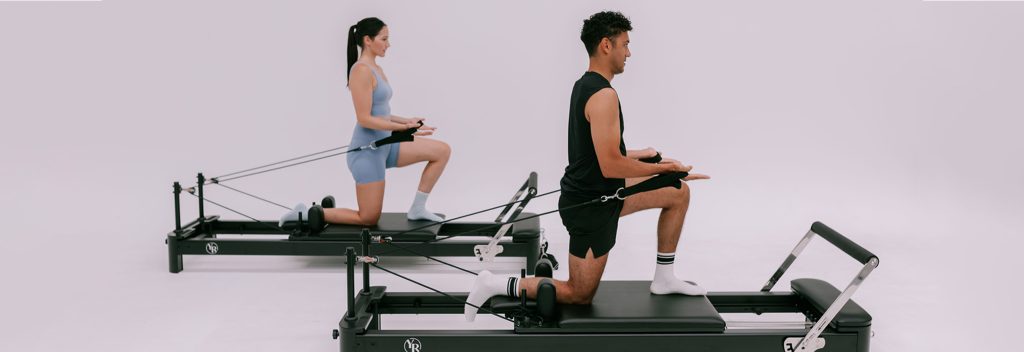
 Reformer Pilates has evolved from a boutique specialty into one of the fastest-growing disciplines in the fitness. You’ll find Reformers in health clubs, boutique studios, rehabilitation clinics, wellness centers, and community facilities alike. More importantly, you’ll find participants of every age and ability discovering just how effective this training can be. For today’s fitness professional, learning to teach Reformer Pilates isn’t just another class on the schedule. It expands your coaching toolbox, sharpens your marketability, and opens new ways to help clients move, feel, and perform better.
The Science Behind the Reformer
Traditional strength training relies on gravity. Reformer Pilates doesn’t. Adjustable spring resistance creates smooth, continuous tension through an exercise’s full range of motion, letting muscles work concentrically and eccentrically while keeping joint loading and impact in check. The research on Reformer Pilates training is clear. It can:
• Improve core strength and trunk stability.
• Increase muscular endurance and functional strength.
• Enhance balance, coordination, and proprioception.
• Improve posture and movement efficiency.
• Increase flexibility and mobility while maintaining joint stability.
• Reduce chronic low back pain when appropriately programmed.
• Improve gait, balance, and functional independence in older adults.
That range of benefits is exactly what makes Reformers such a versatile tool, effective across a wide variety of populations, from elite athletes to active aging adults.
More Than Core Training
One of the biggest misconceptions about Reformer Pilates is that it’s just abdominal workout. It isn’t. Reformer Pilates delivers a full-body resistance training experience, building strength, stability, mobility, and movement quality all at once. With adjustable spring resistance, instructors can train:
• Functional strength
• Muscular endurance
• Dynamic balance
• Joint stability
• Mobility
• Coordination
• Power
• Athletic performance
That versatility is what lets instructors meet clients exactly where they are and progressively challenge them as they improve.
A Powerful Addition to Every Instructor’s Toolbox
Reformer Pilates complements nearly every fitness discipline. Teach group fitness, personal training, yoga, barre, cycling, or aquatic fitness, and the movement principles built on the Reformer transfer directly into better performance everywhere else. Participants develop better posture, sharper body awareness, cleaner movement mechanics, and stronger core control, confidence that carries over into everyday life and every other program they do. For instructors, the programming possibilities are close to endless: strength-focused classes, athletic conditioning, active aging, post-rehabilitation exercise, mobility training, recovery sessions.
Coaching Makes the Difference
Teaching Reformer Pilates takes far more than demonstrating exercises. The instructors who stand out know how to coach breathing, alignment, spring selection, movement quality, tempo, and progressions, and how to adapt every movement for different fitness levels and physical limitations. As demand grows, facilities are looking for instructors who can teach safe, effective, engaging Reformer classes and deliver exceptional coaching and individualized attention with real confidence.
 Expanding Your Career Opportunities
Add Reformer Pilates to your credentials and you can teach in boutique studios, health clubs, wellness centres, rehabilitation facilities, and private training settings. You’ll also work with a far broader range of clients: athletes, active aging adults, beginners, post-rehabilitation participants, and anyone seeking low-impact, highly effective strength training. For many instructors, a Reformer certification becomes more than another credential. It’s a way to diversify their schedule, increase earning potential, and impact more lives.
A Trend Built to Last
Reformer Pilates has become a cornerstone of modern fitness because it delivers measurable results. Resistance training, core stabilization, mobility, balance, posture, mindful movement: that combination is what makes it appeal to virtually every demographic. For fitness professionals, learning to teach the Reformer Pilates isn’t about chasing a trend. It’s about adding an evidence-based training method that improves movement quality, builds functional strength, supports longevity, and helps participants feel stronger and move better at every stage of life.
About Your Reformer
Your Reformer designs commercial-grade Reformer Pilates equipment and builds the technology and instructor education behind it, trusted by facilities in more than 50 countries worldwide. Exclusive for SCW attendees: $200 off each Reformer, plus complimentary inclusions. Visit yourreformer.com to learn more.
Number You Won’t Forget: 2-3 Reps
Most people log dozens or hundreds of workouts and never even notice a common error that’s robbing them of results.
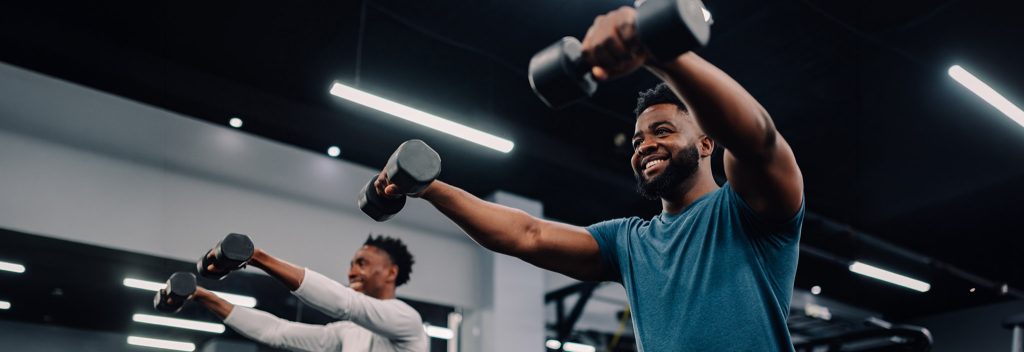
 If you just count reps without ever noting how many are difficult, you might be missing out on the reps that signal your body to transform. Our understanding of muscle growth has grown extensively over the last decade. Things that we used to assume as fact — such as growth being determined by microtears in the muscle that recover and grow bigger — have been disproven and replaced with a much clearer and more direct understanding of how you need to train. Scientific reviews have eliminated other competing explanations, too — the pump, metabolite accumulation, the burn — suggesting they don’t drive muscle growth. Tension is the key. Mechanical tension (the force placed on your muscle fibers) is the primary driver of hypertrophy. And the muscular force doesn’t count all reps equally. As your muscles fatigue, your nervous system recruits more motor units to keep the work going, and that recruitment peaks in the final reps before failure. That’s when individual fibers experience the tension that actually signals growth.
The big lesson and breakthrough that will change your training: Research suggests that the final 2 to 3 reps before muscular failure are where the growth signal peaks. That means if the last 2-3 reps when you finish a set are not extremely challenging to the point where rep speed is unintentionally slowing down, then you’re likely not yet creating enough tension and not doing the reps that trigger growth. If you’re using an appropriate weight, the earlier reps in a set are building toward that threshold. The last few reps are where you cross it to maximize tension.
 When the final 2 to 3 reps in a set don’t feel like a genuine struggle, the load is too light, or you stopped too early. But that does not mean every set (or any set) needs to be taken to failure. Or that every set needs to be heavy. You can do this with lighter weights, as long as you take it near failure.
Scientists found that stopping 1 to 3 reps short of failure produces the same muscle growth as pushing to the limit, while allowing faster recovery and more productive sessions each week. After every set, ask yourself one question: how many more reps could I have done? If the answer is more than three or four reps than what you completed, then you know you need to bring more intensity to the next set.
Special thanks to Arnold’s Pump Club for publishing this article. You can view the original post here: The Last 2-3 Reps Are Where Muscle Growth Happens.

Original study – www.nature.com
For decades, nutrition advice has often been built around universal rules: eat fewer calories, avoid certain foods, follow a specific diet plan, and expect predictable results. Yet fitness professionals working with real clients know that health and nutrition are rarely that simple. Two clients can follow the exact same eating plan and experience completely different outcomes. One may feel energized and perform better, while another may struggle with cravings, fatigue, or difficulty maintaining the approach. One person may thrive with a higher-protein strategy, while another may need a different balance of nutrients to support their goals and lifestyle. This reality is driving a major shift in nutrition science: moving away from one-size-fits-all recommendations and toward personalized nutrition strategies designed around the individual. Research published in Nature Medicine is helping advance this conversation by exploring how customized nutrition recommendations may improve health outcomes and support long-term success.
 The Science Behind Personalized Nutrition
A 2024 study published in Nature Medicine, titled “Effects of a personalized nutrition program on cardiometabolic health: a randomized controlled trial,” examined whether individualized nutrition recommendations could produce better outcomes than general dietary guidance. Rather than focusing only on traditional recommendations, researchers looked at multiple factors that influence how people respond to food, including lifestyle behaviors, health information, dietary patterns, and biological differences. The study found that a personalized approach could positively influence important markers of health, including body weight, waist circumference, triglycerides, diet quality, and other cardiometabolic measures. For fitness professionals, the message is powerful: nutrition success is not just about knowing which foods are considered “healthy.” It is about understanding the person behind the food choices.
Why One Plan Does Not Work for Everyone
Many clients begin their fitness journey after years of trying different diets. They may have followed restrictive programs, eliminated entire food groups, or attempted approaches that delivered short-term results but were difficult to maintain. The challenge is that many traditional diet plans focus on the program itself rather than the individual.
Personalized nutrition shifts the focus by asking better questions:
• What are this client’s goals?
• What foods fit their lifestyle, culture, and preferences?
• How does their nutrition support their exercise routine?
• What habits are realistic for them to maintain?
• What barriers are preventing long-term success?
A successful nutrition strategy is not simply one that looks good on paper. It is one that works in a person’s daily life.
The Connection Between Nutrition, Movement, and Longevity
As the fitness industry continues to focus on longevity, one message has become increasingly clear: maintaining muscle is essential for lifelong health. Adequate nutrition, particularly sufficient protein intake, combined with resistance training, plays an important role in supporting muscle strength, function, and independence as people age. This is especially important as more adults seek fitness programs that help them do more than change their appearance. They want to maintain energy, prevent disease, improve mobility, and continue participating in the activities they love. Personalized nutrition allows fitness professionals to connect eating habits with these broader goals. A client training for strength will have different needs than someone focused on endurance, weight management, or maintaining independence.
How Fitness Professionals Can Support Personalized Nutrition
Fitness professionals are not replacing registered dietitians or providing medical nutrition therapy. However, they are an important part of the support system that helps clients turn knowledge into action. Because trainers and instructors often interact with clients several times each week, they are uniquely positioned to reinforce healthy behaviors and encourage consistency. Here are several ways fitness professionals can apply the principles of personalized nutrition: 1. Focus on the Individual, Not Just the Program
The same workout approach does not work for every client, and the same nutrition strategy does not either. Understanding goals, preferences, challenges, and lifestyle factors creates a stronger foundation for success.
2. Encourage Sustainable Habits
Extreme approaches may create quick results, but sustainable habits create lasting change. Help clients focus on progress, consistency, and realistic improvements they can maintain.
3. Connect Food to Performance
Nutrition is not only about weight management. It influences energy, recovery, strength, and exercise performance. Helping clients recognize this connection can improve motivation and commitment.
4. Support a Team Approach
Nutrition is a collaborative process. When clients need individualized nutrition recommendations, fitness professionals can work alongside registered dietitians and healthcare providers to support the client’s overall health goals.
The Future of Nutrition Coaching
Personalized nutrition does not mean every person needs a complicated testing process or a completely different set of rules. Instead, it represents a more thoughtful approach—one that recognizes human differences and prioritizes strategies people can actually follow. The future of nutrition coaching is likely to combine science, behavior change, individual preferences, and professional guidance. It is a move away from quick fixes and toward helping people create a healthier relationship with food and movement. For fitness professionals, this evolution creates an exciting opportunity. The most effective coaches are not the ones who simply provide more rules. They are the ones who listen, educate, adapt, and help clients discover the strategies that work best for their unique needs. The future of nutrition is personal—and that may be the key to helping more clients achieve lasting success.

 It may not be Thanksgiving, but turkey deserves a spot on the menu year-round—especially after a workout. Packed with high-quality protein and recovery-friendly nutrients, this easy back-to-school meal helps refuel muscles, replenish energy, and keep busy students and athletes ready for what’s next. A quick, nutritious meal designed for busy schedules and recovery after a workout.
Turkey Taco Power Bowl
Ingredients:
• 4 oz lean ground turkey, cooked with taco seasoning
• 1 cup cooked brown rice or quinoa
• ½ cup black beans, rinsed
• ½ cup corn
• ¼ avocado, sliced
• ¼ cup diced tomatoes
• 2 tablespoons shredded cheddar cheese
• 1 tablespoon Greek yogurt
• Salsa and lime juice to taste
Why it works post-workout:
• Protein: Turkey, beans, and Greek yogurt help repair and build muscle.
• Carbohydrates: Rice, beans, and corn replenish glycogen stores.
• Healthy fats: Avocado supports satiety and recovery.
• Ready in: About 15 minutes using leftover rice and pre-cooked turkey.
Back-to-School Shortcut:
Prepare individual containers on Sunday for grab-and-go lunches or quick dinners after sports practice, gym sessions, or fitness classes. It packs well and can be eaten warm or cold.


We’re always looking for great content highlighting the newest things in the world of fitness. Please submit your article directly to editor@scwfit.com for immediate consideration!